NOTICE: POSSIBLE DELAYS IN SHIPMENTS
We would like to inform our valued customers that, due to the protests in Southern Italy, there may be delays in deliveries to Sicily, Puglia, Basilicata, Calabria, Campania, Abruzzo, and Molise. We apologize for any inconvenience.
Reference: 1816
 No reward points for this product.
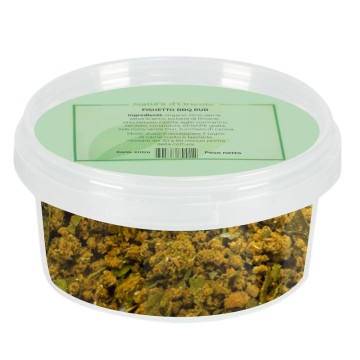
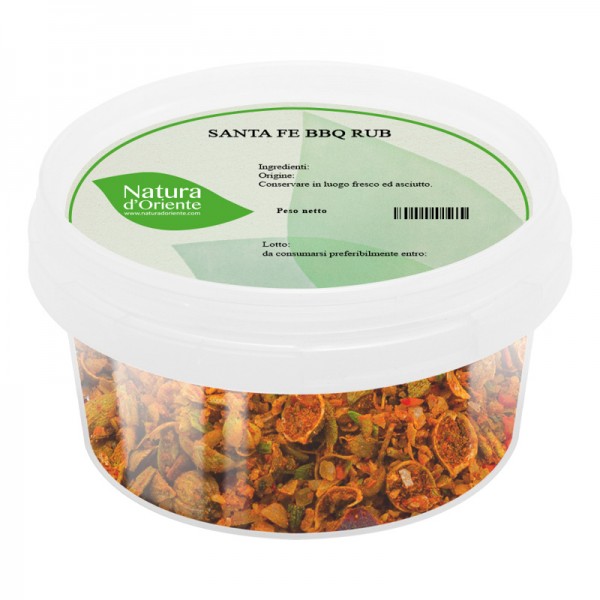
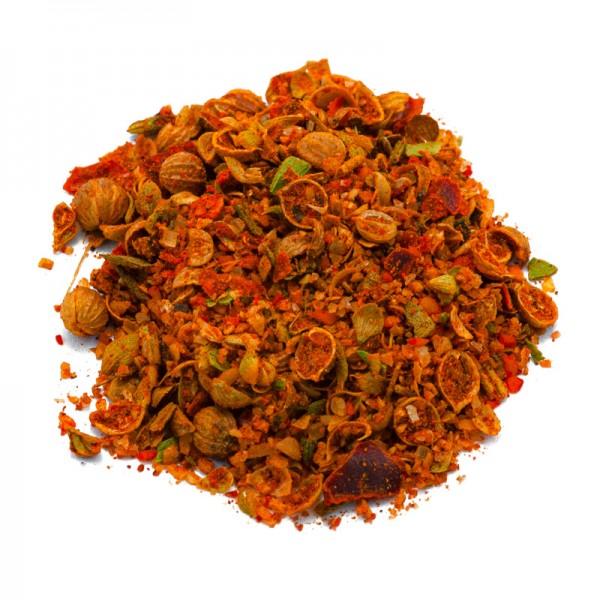
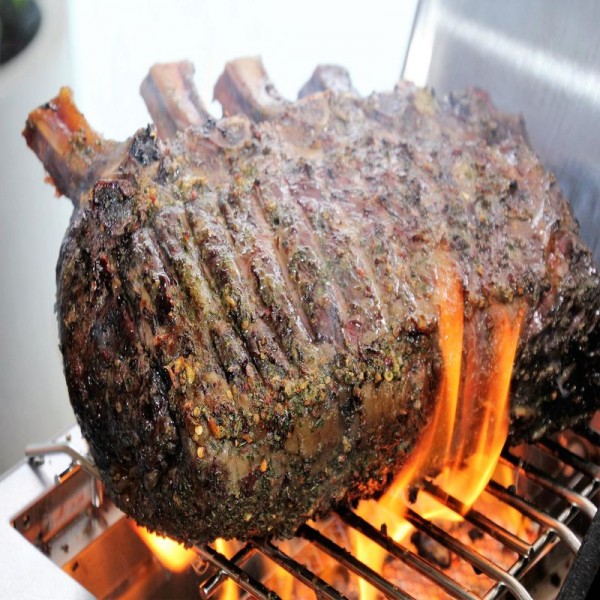
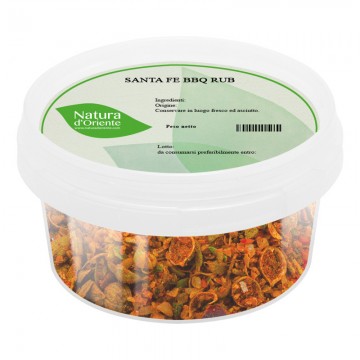
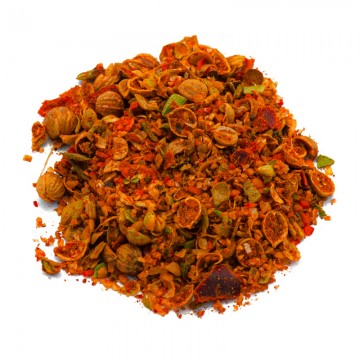
This Santafé BBQ spice mix is inspired by New Mexico-style barbecue, often enriched with spicy and savory rubs. The famous local peppers and other typical ingredients of the rub, make this blend unique and give pungent notes; favoring the exquisite external crust of the grill. A spicy blend perfect for flavoring white or red meats, such as the famous cuts of beef and pork, but also fish, eggs and vegetables.
mustard, ancho pepper, smoked paprika, garlic, cumin, coriander, nutmeg, oregano, turmeric, thyme, allspice, basil, rosemary, tarragon, orange, ginger, salt, marjoram.
If you have a passion for barbecue, surely you know the famous red or green chili rubs from New Mexico . It is this recipe that inspires the Santafé BBQ spice blend, The New Mexican BBQ uses rubs and sauces that recall the flavors of yore of this North American Southwestern area, famous for grilling and spices that come from the Mexican tradition. The best known recipes are those with the local green and red chilli, typical of the old-style Mexican barbeque.
The so-called New Mexico Chiles are the peppers protagonists of the cuisine of Santa Fé and other places where they are used to flavor sauces for meat, soups and stews. They show dark red, smooth, and are an integral part of the classic New Mexico Red Beef Chili.
In the mixture of spices, in addition to the red or green chili powder, the aromas mix garlic, salt, and even the smokes with particular woods. In several creative rub recipes there are black pepper, mustard, onion, paprika and brown sugar (essential for creating the crust on the barbecue meat).
The difference in the substantial BBQ blends is that between red and green chili peppers. Ancho peppers (dried Poblano pepper) can be used, which are a variety of sweet chili peppers with a light spiciness and fruity overtones. Much appreciated in Mexico, they go well with dried Guajillo peppers, among the most used in the neo-Mexican territory of the USA. The meats in this region are eaten slowly smoked. Barbecue rubs are used for beef, pork, chicken, but also fish, eggs and dishes such as enchiladas. They are designed for grilling and smoking, but also for marinade, breading and frying recipes.
The Santafé BBQ blend is ideal for typical American barbecue cuts such as beef brisket, ribs, pulled pork, sausages or turkey legs.
The secret to infusing meat flavor is applying spices and sauces at the right time, so as not to overpower the meat's natural flavor and smoking.
To get the best results from using rubs or BBQ spice blends, you also need to evaluate the type of meat to be cooked. A barbecue rub is a great way to add extra flavor, especially if the meat doesn't have a strong flavor on its own.
Take the meat and rub it with the spice mixture, trying to get the rub well into the fibers with your fingers and palm. Start applying the mixture slowly and gently, and stop when the meat appears to be evenly covered. Avoid rubbing too hard if you don't want to damage the protein surface.
This rubbing should be done about 30 minutes or more before cooking. Some prefer to leave the meat to rest in the fridge for at least 2 hours, for maximum absorption and a more intense flavor. The important thing is to evaluate if the rub contains a lot of salt, because there is the possibility that it will dry the meat if you leave it in the fridge overnight.
The method of using spices before cooking allows you to obtain a good tasty crust. If you want to make the rub adhere better, you can add a moist base, spreading a light layer of olive oil on the meat first, or a few drops of yellow mustard. Then apply the Santafé BBQ rub.
The Santa Fe BBQ is inspired by the classic Mexican and New Mexico barbecue, which always derives from the American tradition, born from the customs of the natives.
The origin of the barbecue (meat cooked slowly over indirect heat) and its history in the United States begin with the discovery by the Spaniards of a similar practice.
The Taino Indians of the Caribbean islands smoked meat on wooden grills, in an open pit. According to some, this cooking method was adopted and brought with them when they arrived in North American territory. The word also seems to derive from the indigenous Spanish or barbacoa. The North American practice originated in New England and in the southern states of America, especially in Massachusetts, Virginia, Carolina and Kentucky: it became a typical cuisine of the South, which increasingly included states in the west such as New Mexico.
It was often prepared by African Americans, who used this cooking for social and hearty meals. In the beginning, the barbecue consisted of any type of meat, although most of the time it was pork, with the exception of beef in Texas and mutton in Kentucky. The barbecues were social or political events, rather than daily meals for family and friends, also because the low-heat method of cooking the meat lasted hours. A suitable time for debates and rallies, parties and local celebrations.
Several barbecue restaurants began to pop up in the 1930s, and BBQ was transformed again in the 1960s, when grilling spread to gardens and courtyards. Over the years, each region developed a barbecue identity based on the particular flavor and food preferences of the area, including BBQ spices and sauces.
The four main regions (North Carolina, Kansas City, Memphis and Texas), created their own vinegar, tomato and mustard sauces. If the first sauces contained a lot of vinegar and many spices, even for the preservation of meat, slowly the tastes became more and more refined and dry rubs or mixes of spices for meat became more and more popular.
Usually rubs are meant for a balance of flavors, with three basic ingredients being salt, pepper and garlic. Over time, each tradition has developed creative recipes, adding additional local elements, known for their spiciness and intense taste. Other great ingredients can even include coffee grounds, smoked red pepper, or ground dried apples.
The mixes for the barbecue must be taken respecting the recommended doses. In particular, the mix of spices, if they are spicy, can cause problems for those suffering from gastrointestinal irritation and ulcers, or irritation of the urinary tract.
BBQ or grilled mixtures, if taken in excess, can worsen inflammation conditions and cause reactions such as burning in the palate, heartburn, diarrhea, irritation of the mucous membranes. It is necessary to evaluate the individual ingredients of the BBQ blend, identifying if they are already known for possible allergic reactions.
Due to possible irritations, caution is advised in taking barbecue rubs for pregnant and breastfeeding women.
Specific References
This Santafé BBQ spice mix is inspired by New Mexico-style barbecue, often enriched with spicy and savory rubs. The famous local peppers and other typical ingredients of the rub, make this blend unique and give pungent notes; favoring the exquisite external crust of the grill. A spicy blend perfect for flavoring white or red meats, such as the famous cuts of beef and pork, but also fish, eggs and vegetables.
mustard, ancho pepper, smoked paprika, garlic, cumin, coriander, nutmeg, oregano, turmeric, thyme, allspice, basil, rosemary, tarragon, orange, ginger, salt, marjoram.
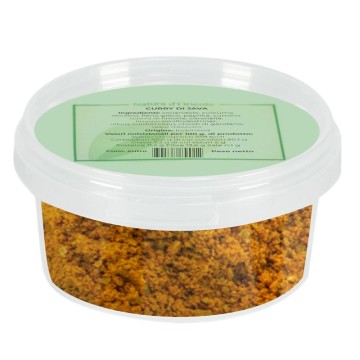
Of Indonesian origin, curry has also become a fundamental ingredient in Western recipes. It will enrich the flavor making a pleasant tantalizing scent in all your dishes.
coriander, turmeric, ginger, fenugreek seeds, paprika, cumin, lemon peel, lemongrass, lemon powder (lemon, maltodextrin), bay leaves, cardamom, cloves, nutmeg.
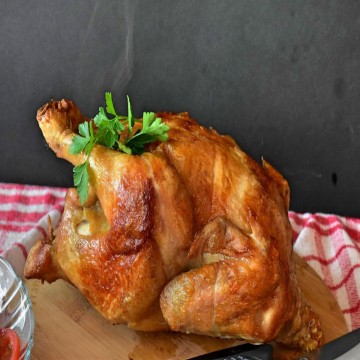
To flavor barbecued or grilled chicken meat, try this Chicken BBQ blend, versatile on different recipes. Complex and balanced flavors between salty, sweet and slightly pungent. Perfect for enhancing the white meat of chicken breast, wings, thighs, quarter legs; also for the whole barbecue chicken. They can give a unique taste to grilled dishes, including poultry and vegetables.
brown sugar, salt, allspice, nutmeg, cinnamon, MUSTARD seeds, chili pepper, cloves, fenugreek seeds, smoked paprika, turmeric, lemongrass, ginger, garlic, cumin, basil, coriander, fennel.
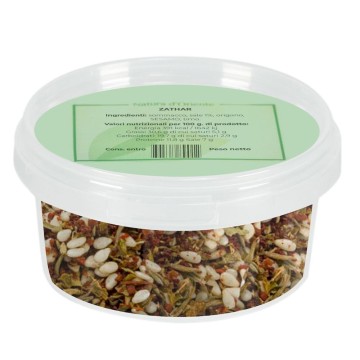
Zahatar is a mixture of spices well known and used in the Middle Eastern countries. This combination of spices is ideal for flavoring meats such as chicken and lamb, vegetables, cheeses, stewed potatoes and onions, mozzarella and tomatoes.
sumack, salt 3%, oregano, sesame, thyme.
Of Indian origin, curry has become a fundamental ingredient even in Western recipes. Ideal with all types of meat, fish and vegetables. It will enrich the flavor and make a pleasant tantalizing aroma in all your dishes.
coriander seeds, turmeric, fennel, seeds, salt, cumin, garlic, fenugreek, laurel, chilli pepper, cloves, hot paprika.
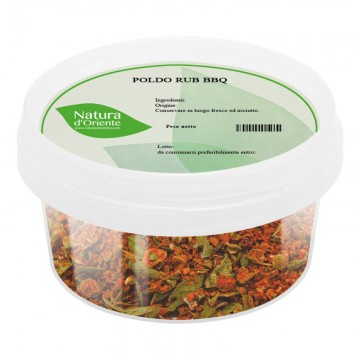
Perfect for grilled or grilled meat, this blend of spices flavor and tantalize the palate, even for minced meat and vegetables. The taste of spices and herbs for the rubs creates nuances in balance between sweet and salty. Within easy reach in the cupboard, the Rub Poldo BBQ brings out the characteristics of meat and hamburgers, while also giving an original aroma to the grill.
onion, sweet smoked paprika, black pepper, parsley, coriander, salt, nutmeg, cumin, garlic, allspice, ginger, marjoram, thyme, oregano.
Ras el hanout literally "head of the grocery" in Arabic is a mixture of around 30 different plants. It can be considered the North African Curry. Excellent in stews and pan-fried fish and chicken preparations. Appreciated in lamb dishes and couscous.
turmeric, coriander, pepper, cumin, fennel, ginger, cinnamon, allspice, chili pepper, cardamom, anise, fenugreek seeds, nutmeg.
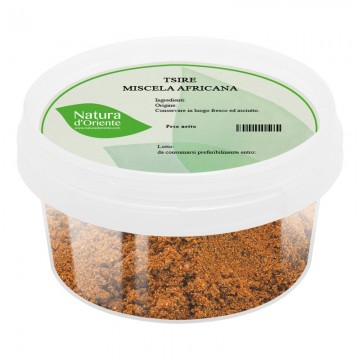
This spice blend called Tsire is used as a condiment to enhance the flavor of kebabs and West African cuisine. A spice used above all on meat, before or after cooking, which enhances the taste with pungent but refined notes, with different shades between sweet and spicy. Also excellent in stews, on vegetables and to create exotic sauces.
cayenne pepper, Jamaica pepper, cinnamon, ginger, nutmeg, cloves.
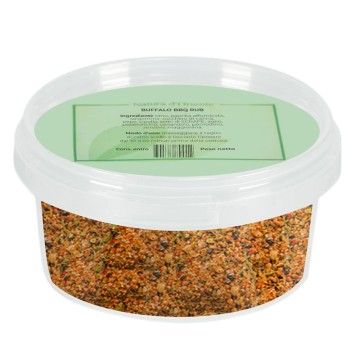
The Buffalo BBQ spice blend is inspired by the famous rub in American tradition. Born to cook bison, it is mainly used to make chicken wings spicy and tasty. A combination of flavors suitable for white and red meat, vegetables, eggs. The balanced and not too pungent notes transform meats or vegetables with a uniform taste, into dishes that tickle the palate.
thyme, smoked paprika, rock salt, brown sugar, pepper, onion, MUSTARD seeds, garlic, chili pepper, coriander, tomato, ginger, marjoram.
Shichimi Togarashi Spice Blend is a traditional Japanese blend of seven spices that combine to create a unique aroma. It combines citrus, tangy, nutty and umami flavors - making it a highly sought-after perfection and complexity in the kitchen. Shichimi Togarashi can be used as a seasoning to add flavor to soups, white meat dishes, sushi and fish, and various rice dishes.
Green seetang, ginger, dried mandarin, black SESAME, white SESAME, red pepper, Japanese mountain pepper.
La Pampa Argentina a timeless classic of the South American tradition, tasty and slightly acidic, which adapts to almost all types of meat prepared on the grill or barbeque, but also boiled meats, in some cases it is also used (more diluted) to marinate meat before cooking.
paprika, oregano, garlic, pepper, onion, parsley, basil, chilli, tomato (tomato paste, corn starch).
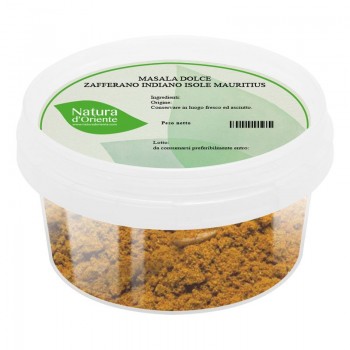
Similar to Indian curry but more delicate, Sweet Masala is a unique mix that brings together the flavors of licorice, mustard, coriander, cumin and other aromatic and intense spices. Perfect for flavoring fish, vegetables and white meats, it is called Indian saffron for its ability to create deisi flavors, with an aftertaste rich in sweetish nuances. Try it with different creative recipes!
Ingredients: turmeric, licorice sticks, mustard, coriander, salt, fenugreek, basil, cumin, celery, chillies, garlic.
Perfect for baked or grilled fish, this blend of spices adds flavor to meat and vegetables with balance and many different nuances. The classic taste of herbs such as oregano, sage, thyme and parsley is pungent with white pepper, garlic, ginger, mustard and coriander. In your pantry, this rub enriches the possibilities of flavoring in a tantalizing way any seafood or land dish, bbq or baked meats.
oregano, thyme sage, white pepper, lemon powder, parsley, onion, garlic, rosemary, ginger, coriander, yellow MUSTARD, Thai green curry salt, brown sugar.
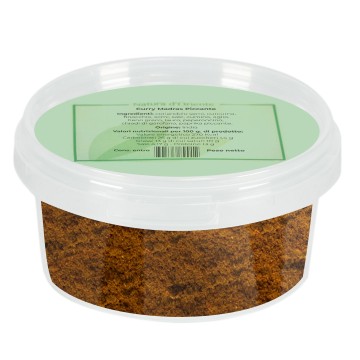
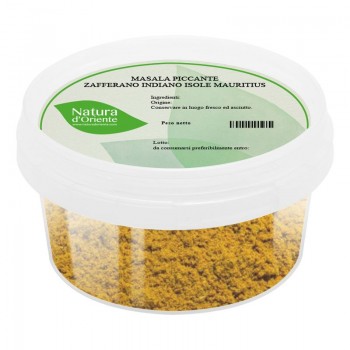
Similar to spicy Indian curry, Masala is used to season white pork and lamb, with an aromatic touch and balanced in flavors. Born in Mauritius, with a recipe handed down over time, it can give a versatile touch among the many flavors that reach the palate, to be creatively modulated in your recipes, based on the dish you prepare.
turmeric, coriander, fenugreek, cumin. ginger, chillies, allspice, nutmeg, cardamom, cloves.
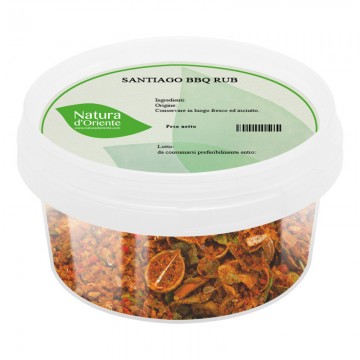
To flavor barbecued or grilled meat, try this Santiago BBQ blend, designed with the flavors of the Latin American tradition. Nuances from sweet to savory, with spicy notes typical of sauces and rubs for the asado, in the recipes of chorizo, beef, Chilean lamb, ribs. You can flavor meats before the barbecue, or after grilling.
onion, smoked paprika, mustard seeds, pepper, coriander, garlic, jalapeno chiplote, tomato, cumin, turmeric, oregano, nutmeg, ginger, thyme, basil, marjoram , tarragon, rosemary, salt, brown sugar.
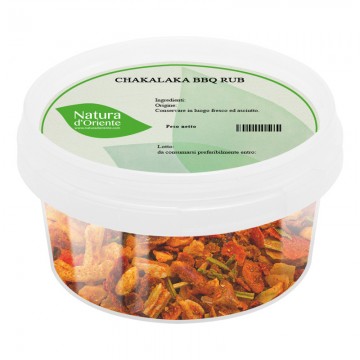
The mix of spices for the preparation of Chakalaka, is designed to flavor this recipe with spicy and aromatic notes. The typical South African vegetable sauce, is created with a spicy blend, including masala leaves and curry powder, which reinforces the sautéed vegetables and beans in the original recipe. Also discover its unique taste as a barbecue sauce, perfect spiciness on grilled meat and sausages.
onion, bell pepper, chili pepper, tomatoes, coriander, turmeric, garlic, smoked paprika, carrots, ginger, fenugreek, parsley, leek, cumin, pepper, parsnip, CELERY, cinnamon, allspice, cardamom, cloves, caraway, sea salt (14%), cane sugar.
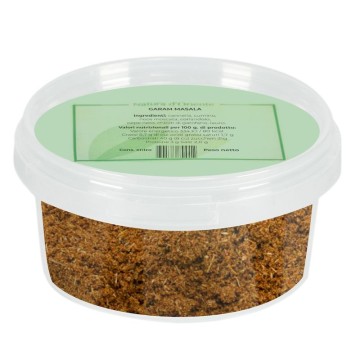
Garam Masala spice blend is believed to contain a balance of all six flavors. It has sweetness, heat, spiciness, and a hint of floral nuances. When these spices combine, they create a special blend, adding incredible depth and complexity to a wide array of traditional dishes and creative recipes.
cinnamon, cumin, nutmeg, coriander, cardamom.