
Reference: 0823
 No reward points for this product.
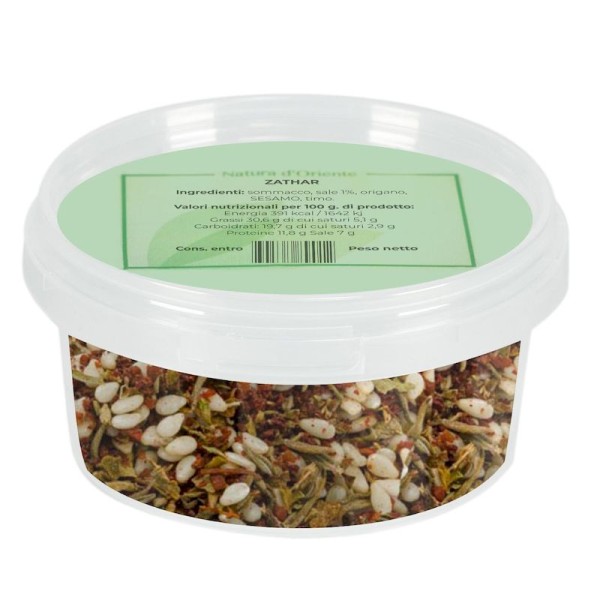
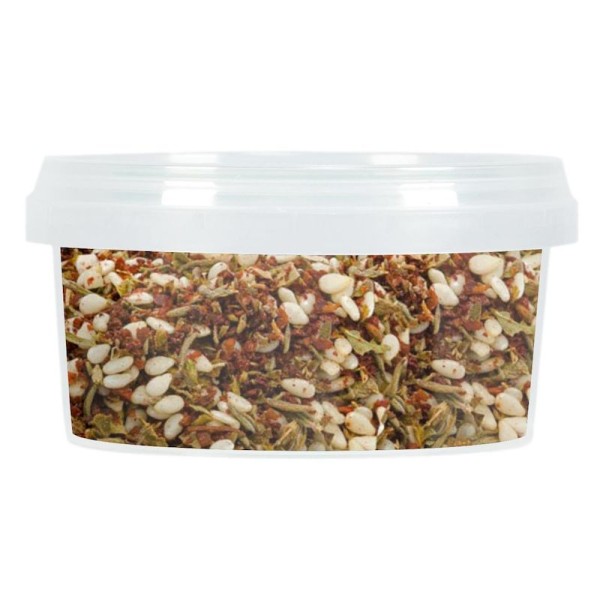
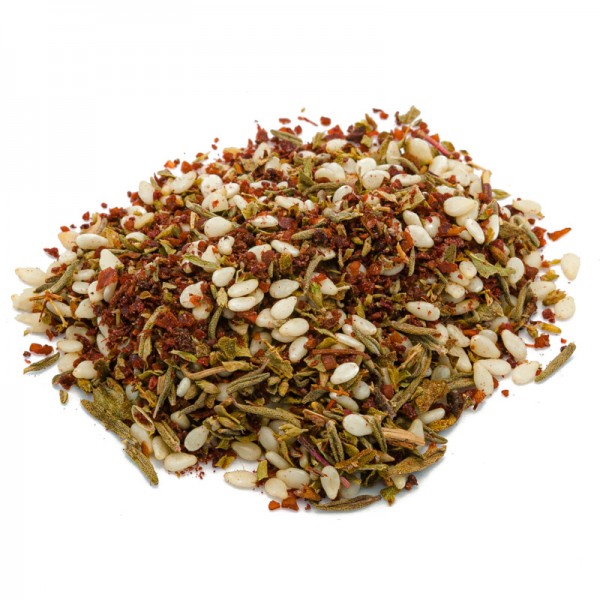
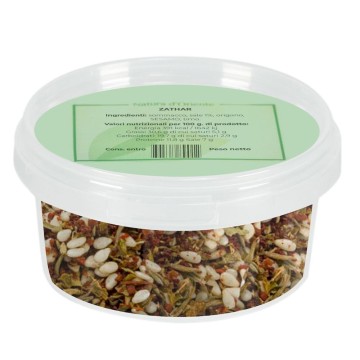
Zahatar is a mixture of spices well known and used in the Middle Eastern countries. This combination of spices is ideal for flavoring meats such as chicken and lamb, vegetables, cheeses, stewed potatoes and onions, mozzarella and tomatoes.
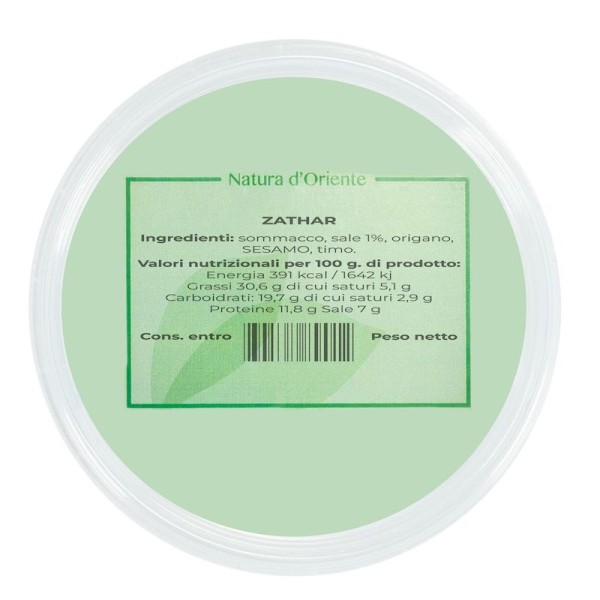
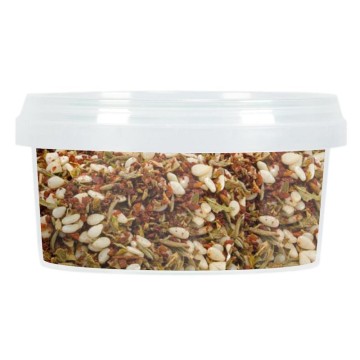
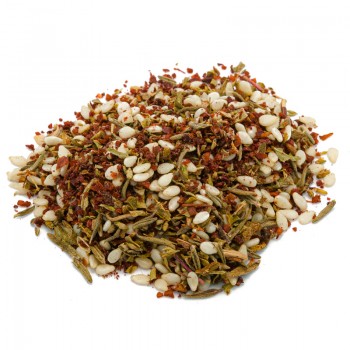
sumack, salt 3%, oregano, sesame, thyme.
This combination of Arabic and Middle Eastern spices provides a nutty and perfectly pungent flavor. Zathar, which can be called za'atar, za'atar, or satar, is a widely used blend in Middle Eastern cuisine, particularly popular in North Africa and Turkey. Like curry powder, this Middle Eastern recipe varies from region to region, depending on where you are. The Yemeni version of Zathar, like Palestinian and Lebanese Zataar, features dried herbs (thyme and oregano) among the main ingredients, in the classic composition with sesame, salt, and sumac.
Sumak, also known as sumac in Italy, is the main ingredient in zathar, lending it a citrusy aroma. It's a spice with a fresh and slightly tart flavor, reminiscent of lemon and vinegar in dishes. Oregano exudes a fresh aroma that pairs well with all vegetables and adds a vibrant touch to meats. It aromatically enlivens neutral dishes, sauces, and spice blends. Thyme is a popular aromatic herb in meat dishes. It adds depth to recipes with tender, delicate meats, while rounding out strong flavors. Sesame seeds add a delicate flavor and a light, nutty, slightly bitter note; they are highly prized in Middle Eastern and Asian cuisine on meats and vegetables. Salt (3%) is added to provide a rounded, savory flavor that eliminates the need for additional salting.
The flavorful combination of spices is ready to create a special, aromatic condiment. To intensify the blend's aroma, place the required amount in a dry, nonstick pan and slowly roast the spices. Cook over low heat for a few minutes, until the sesame seeds turn golden brown and release their delicate aroma.
Middle Eastern cuisine: Zathar is traditionally used to flavor baked Arabic flatbread. It can be used either after baking, while the bread is still warm, or before baking, mixed with olive oil and brushed on the bread. This bread is often eaten for breakfast or lunch, as is the case with zathar flavoring the special Manakish pitas (za'atar bread) or Zaatar fteer flatbreads. It is also used to make savory Labneh (a creamy cheese made from strained Greek yogurt). It pairs well with dips like hummus and baba ganoush (made with eggplant), chickpeas, and olives for a flavorful side dish.
Savory recipes: Because of its typical use on bread, zathar is also considered perfect for flavoring all baked goods like focaccia, breadsticks, and more. It also pairs well with quinoa and rice recipes, such as saffron rice. Excellent for vegetarians, it pairs beautifully with steamed vegetables and legumes. The tart (sumac) and nutty (sesame) flavors of zathar pair perfectly with boiled, grilled, and stewed vegetables. It pairs well with cauliflower, eggplant, fennel, cucumbers, potatoes, and tomatoes. It can accompany cheeses and dairy products (feta, goat cheese), eggs, grilled tofu, and oatmeal.
Marinades: It is perfect for flavoring marinades for grilled meat and fish. It is thickened with olive oil in the typical zathar paste to marinate white or red meats. It is also excellent for marinating chicken and poultry, and on kebabs. The oil-free spice blend can be used for a rub or dry rub on meats. For pairings, this blend is ideal with fresh herbs such as parsley, coriander, and mint. It can be a great way to flavor seafood, such as garlic and lemon shrimp, white fish, and smoked salmon.
Sauces: Perfect for creams and dips for salads, potatoes, and boiled or roasted vegetables. It can be served in a separate bowl as an appetizer dip with olive oil, or spread on bread, wraps, and crostini. Zathar flavors butter and soft, fresh cheeses like quark and fromage blanc; it can also be used in Greek yogurt-based dips. It can be paired with ingredients like pistachio, lemon, tomato, mayonnaise, and sour cream. More recently, zaatar has even been used to add a subtle earthy and spicy flavor to creative desserts.
Ingredients: 4 cups full-fat yogurt - 1 teaspoon salt - 3 tablespoons olive oil - 2 teaspoons zathar mixture - Salt flakes - Cheesecloth - A strainer - A medium-sized bowl Directions Pour the yogurt into a large container and add the salt, stirring well. Place three layers of cheesecloth in a large, fine-mesh strainer over a bowl. Pour the salted yogurt into the cheesecloth. Collect andBring the corners together, twist them to seal, and create a "packet." Place the bowl and strainer in the refrigerator for 24 hours. After this time, set aside the strained whey and check the consistency of the yogurt until it's thick and similar to cream cheese. You should have about 2 cups of yogurt. To make the sauce, place the labneh in a shallow bowl or plate. Using the back of a spoon, make a well in the center, placing the labneh on the sides, which will be higher. Dramatically season the center: sprinkle the zathar spices and add olive oil on top, adding more or less if you prefer a more or less oily sauce. Serve with bread, pita bread, or crackers.
This unique combination of spices and herbs is not easy to find in regular supermarkets or grocery stores. If you're looking for zaatar or zathar, you'll find the classic preparation in our Natura d'Oriente online store. You can purchase this high-quality, aromatic, and nutritionally rich blend, packaged in convenient, stay-fresh packages. The zathar blend is available in bulk, weighing 50 g, 75 g, 100 g, 150 g, 250 g, 500 g, and 1 kg—at a price advantageous for the quantity you buy.
This spicy condiment is widespread throughout the Middle East, and its name likely derives from the term for oregano or thyme bushes, the aromatic herbs it is made from. Since it's a blend used across a vast region like the Middle East, where languages and recipes vary, there's no single version of zathar. There's no universal agreement on its name either, which can vary. The Arabic word za'atar contains a distinctive sound, which is why Western spellings can vary greatly: zaatar, zahatar, satar or saatar, zahtar, zatar, zathar, and other versions. It is a popular condiment in Egypt, Armenia, Iraq, Israel, Palestine, Jordan, Lebanon, Libya, Morocco, Tunisia, Syria, Turkey, and Saudi Arabia. In most Middle Eastern cuisines, zathar recipes are guarded at the family and regional level as little "secrets," with substantial variations that almost become a matter of national pride. There are, however, some fixed points: the most common herbs are thyme and oregano, which make up the bulk of the blend. Mint, marjoram, sage, or savory can also be added. Wild thyme, in the past, provided the main flavor of the za'atar blend in some regions; While in others, such as Palestine and Syria, it is associated with Origanum syriacum—a wild herb that grows in the mountains and highlands, with its best leaves in winter and spring. As for spices, a "classic" version is oregano mixed with toasted sesame seeds, salt, and sumac. Versions with ground chickpeas or peas, ground peanuts, cumin, fennel, coriander, aniseed, dried pomegranate seeds, toasted and ground melon seeds, or hazelnuts may also be found. In some areas, such as Galilee and Lebanon, the za'atar mixture is called "dukkah" (or duqqa) from the Arabic verb "duk," meaning to crush—referring to the dried thyme leaves traditionally crushed in its preparation.
Data sheet
Zahatar is a mixture of spices well known and used in the Middle Eastern countries. This combination of spices is ideal for flavoring meats such as chicken and lamb, vegetables, cheeses, stewed potatoes and onions, mozzarella and tomatoes.
sumack, salt 3%, oregano, sesame, thyme.
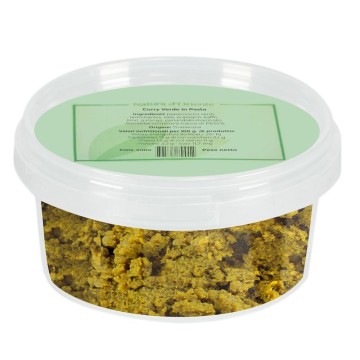
Green curry paste is used throughout Thailand, in a variety of dishes. It is a small delicacy rich in flavour and aroma, perfect for experimenting with complex recipes in the kitchen. This wonderful blend of spices is excellent for preparing Thai and Asian recipes, especially vegetable-based dishes.
Chilli, spinach, lemongrass, garlic, salt, shallots, galangal, shrimp paste, kaffir lime, coriander. (This product may contain traces of FISCH)
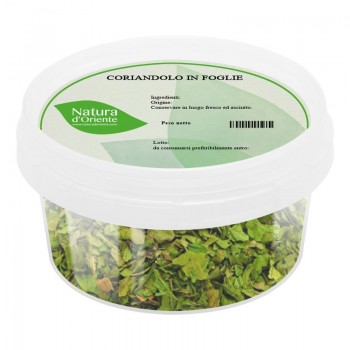
This herbaceous plant has several healthy properties, as well as gastronomic, known for centuries. Even today, its leaves are used both to flavor dishes with an intense taste, and to create herbal teas useful against stomach pain, aerophagia, as a function of digestive aid and astringent.
coriander leaves
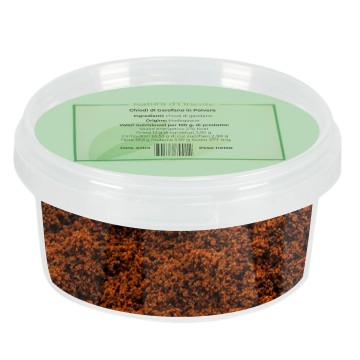
Ground star anise is a real antibiotic from nature. The most interesting active ingredient present in star anise, called anethole, has also shown anti-inflammatory properties. From the extraction of its essential oil it is used in medicine and herbal medicine for the preparation of drugs and natural remedies.
Star anise
Smoked sweet paprika lends itself very well to the preparation of various recipes. If we love the sweet, rich, fragrant, greedy taste, this is the indicated spice. It is a condiment widely used in Spanish cuisine, both with fish and with all types of soups and is an essential ingredient in most Spanish cured meats.
smoked sweet paprika
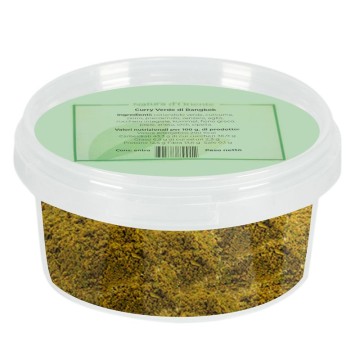
A blend of spices used throughout Thailand, it reveals a wealth of fruity flavors and aromas. Intense green in colour, this Bangkok curry proves to be an intense aromatic delicacy, used for stews with meat or fish, vegetarian soups or typically vegan dishes.
green coriander, turmeric, leek, parsley, ginger, garlic, brown sugar, kummel, fenugreek, pepper, dill, chili, onion.
Anise seeds give a unique flavor to dishes and excellent anti-bloating digestive properties, which counteract abdominal discomfort. They promote well-being after meals and stimulate the appetite. They are the basis of herbal preparations that calm coughs. As aromatic and tasty seeds, they can be used in milk for breakfast, together with muesli or in a mix of dried fruit.
Anise
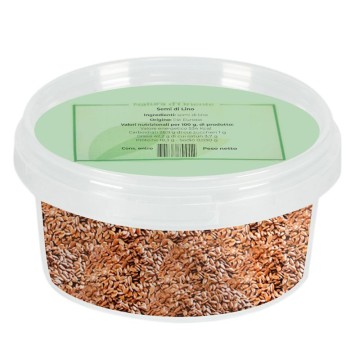
Flax seeds are tasty and nutritious, rich in properties and benefits for our body. They contain many omega-3 fatty acids and boast a high content of fiber, proteins and mineral salts. These precious foods also represent a natural remedy in case of constipation, useful for improving digestion and fat metabolism.
flax seeds
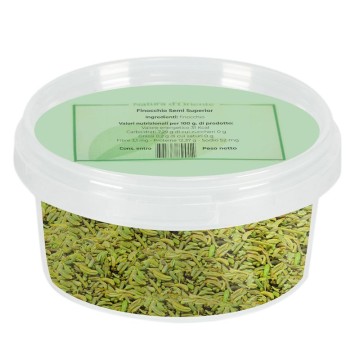
Fennel as an officinal herb, is an excellent remedy for digestive problems, and in consideration of these beneficial virtues towards the digestive system, it can be very useful for those that have abdominal bloating and aerophagia problems herbal teas, decoctions and infusions prepared with the seeds of this vegetable.
superior fennel
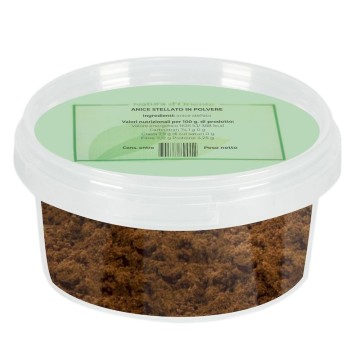
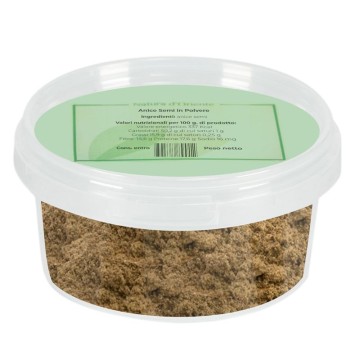
Anise has been known since ancient times both as a flavoring and as a natural herbal remedy. Its powdered version favors a widespread and unique seasoning in recipes. Furthermore, it helps well-being after meals and stimulates the appetite. Useful for flavoring sweet and savory recipes, milk and drinks, in baked products to give an unmistakable aniseed flavor and scent.
Anise
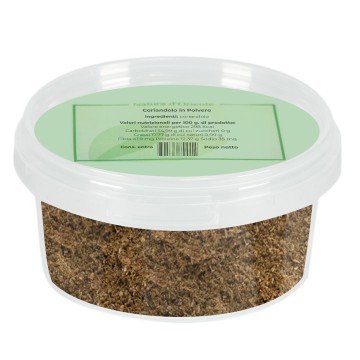
Coriander powder is an aromatic spice with a delicate, slightly citrusy flavor, ideal for curries, marinades, meat, vegetables, and Asian cuisine. It's perfect for adding aroma and flavor to recipes in a practical and versatile way.
Coriander
The ground clove powder has a decidedly unmistakable penetrating scent, with a pungent flavor with a sweet and balsamic aftertaste. The strong, warm aroma attenuates a little with cooking, dominating other spices but balancing other odors in sweet and savory dishes. In particular, cloves flavor roasts, broths and stews. They contribute to good digestion, perfume the breath and give balsamic notes to the infusions.
cloves
Thanks to its intense taste, ground rosemary is suitable to accompany fish, meat and many vegetables. It cannot be missing with roasted potatoes and is often used to brush meat and grilled fish with oil. It has a delicate aroma and can also be used in cooking.
Rosemary
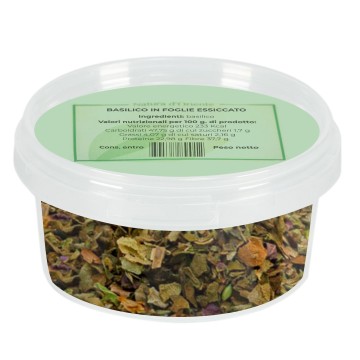
Basil is used in Mediterranean cuisine in combination with tomatoes, cheeses, extra virgin olive oil, garlic, white meats and some peach products. Basil is the basic ingredient of Genoese pesto, a typical sauce of Ligurian cuisine, together with pine nuts and extra virgin olive oil.
basil
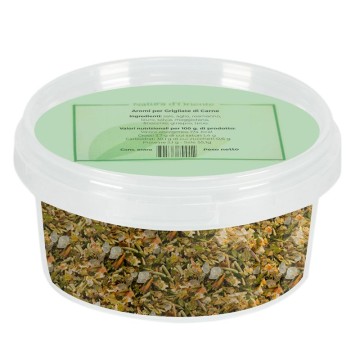
Whether it's an outdoor barbecue or home cooking, choose to flavor and aromatize the meats in an exquisite way. The aromas for grilled meat are inspired by the herbs traditionally used in the kitchen, to enhance the taste and aroma of the food. Here is the mixture to make a truly perfect barbecue.
salt, garlic, rosemary, laurel, sage, marjoram, fennel, juniper, thyme.
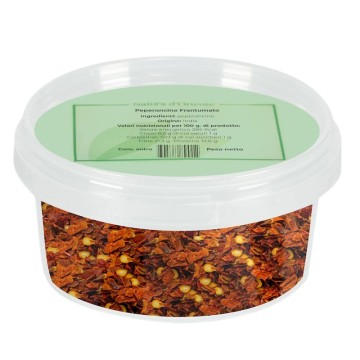
Chili pepper is an excellent cooking flavoring but it is also a food with healing and cosmetic properties, not everyone is known. Chilli has antibacterial properties, as well as having digestive and antioxidant properties. It is rich in vitamin C, vitamin A, E, PP, potassium, calcium and phosphorus.
crushed chilli
When added to food, parsley gives off a pleasant smell, a real pleasure for the nostrils and gives the food a particular and characteristic taste, enhancing its natural flavor. It is also used to flavor many sauces, and can be found in the "zogghiu", a typical Sicilian sauce to flavor grilled meats or fish.
parsley