
Reference: 0178
 No reward points for this product.
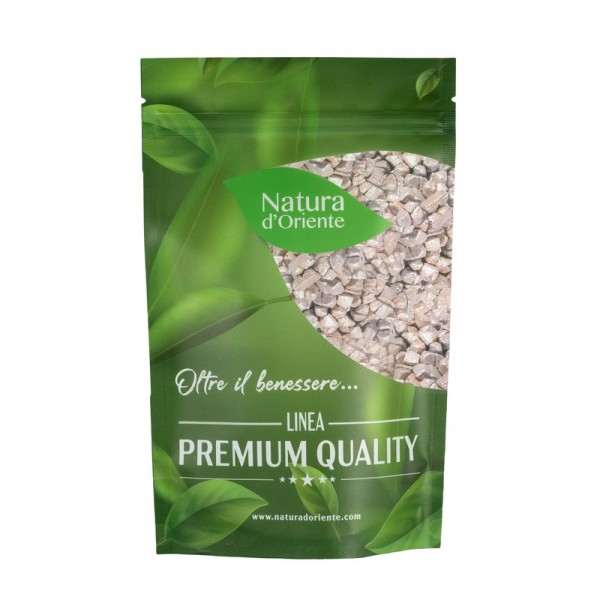
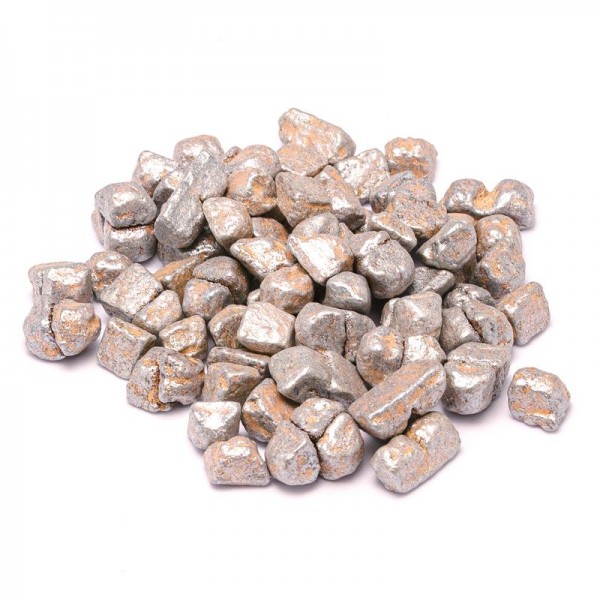
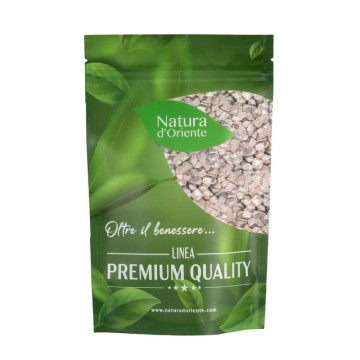
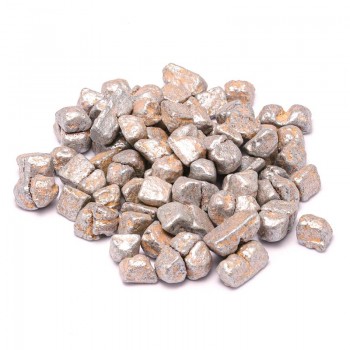
Terracattù silver liquorice is a fine variant of liquorice, characterized by a silver covering. It is obtained from the root of the liquorice plant (Glycyrrhiza glabra) and handcrafted. It has a distinctive appearance with a shiny silver coating and an intense and refined bittersweet flavor. It is often used as a gourmet delicacy, both for direct consumption and as a decoration for sweets and desserts. Its elegance and unique taste make it an excellent choice for lovers of high-quality liquorice.
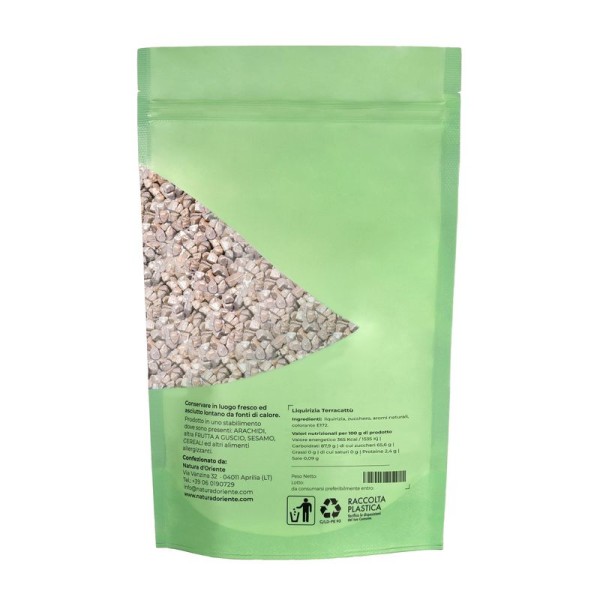
licorice, sugar, natural flavors, color E172.
First, let's explain what terracattu is. It's a natural dye extracted from some plants of the Acacia genus, or at least that's what you find written everywhere. In reality, the plant mainly used for this purpose is Senegalia catechu, which isn't actually an acacia, but belongs to the Senegalia genus. This is actually an understandable inaccuracy; the Senegalia and Acacia genuses are both part of the same subfamily (with the almost unpronounceable name of Caesalpinioideae) within the large Fabaceae or Leguminosae family, and are very similar to each other.
The name catechu is Linnaeus's Latinization of the plant's Malay name, kachu, while in Hindi it is called khair. The extracts obtained from it are known by various names, the most common being catechu and cutch (this name usually refers to the brown dye used to color and preserve fishing nets and sails). Catechu (sometimes Italianized as cattù or terracattu), being a natural and edible dye, is used to color everything, both non-edible products and the food industry. Various colors can be obtained from it, for example, with the black obtained from this extract (commonly called black cutch), a famous black vodka has recently been made.
What makes catechù highly prized as a food coloring is that, on the one hand, it makes the product pleasing to the eye with different possible colors, on the other, it does not affect the flavor in the slightest. So this silver terracattu licorice is a pure licorice slightly sweetened with a little sugar (remember that pure licorice is still sweet, so much so that licorice extract is used as a sweetener, but it has a slightly bitter/sour aftertaste) and lightly scented with mint, while the aforementioned catechù gives it the captivating silver color.
The combination of licorice and mint flavor has always been very popular, usually it is a classic of the winter months that on the one hand is suitable for those who cannot stand the very strong pure mint and on the other for those who find the purest unsweetened licorice a bit extreme for their tastes, but the combination of mint and licorice is actually not just a halfway meeting of flavors, it is also a combination of the regenerating and slightly disinfectant properties of licorice (which in traditional Chinese medicine, but also by the ancient Greeks, was prescribed as a remedy for cough) and the balsamic properties of mint.
Data sheet
Terracattù silver liquorice is a fine variant of liquorice, characterized by a silver covering. It is obtained from the root of the liquorice plant (Glycyrrhiza glabra) and handcrafted. It has a distinctive appearance with a shiny silver coating and an intense and refined bittersweet flavor. It is often used as a gourmet delicacy, both for direct consumption and as a decoration for sweets and desserts. Its elegance and unique taste make it an excellent choice for lovers of high-quality liquorice.
licorice, sugar, natural flavors, color E172.
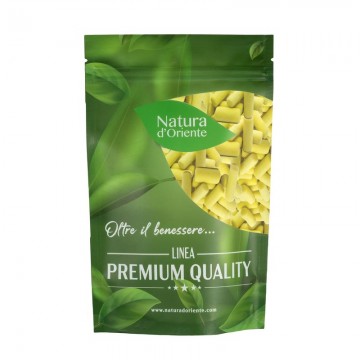
Pure Ginger and Lemon Licorice combines the intense flavor of natural licorice with the citrus freshness of lemon and the spicy notes of ginger. An aromatic licorice with a lively and original flavor, perfect for those who love fresh and persistent flavors.
Licorice, potato dextrin, ground ginger, natural lemon flavor, rice starch.
Pure licorice with an intense and natural flavor, enriched with fresh citrus notes of lemon and orange. A perfect balance of sweetness, character, and Mediterranean freshness, with no added sugar.
licorice, flavorings
A mix of flavor and energy, if you love the taste of pure licorice and ginger, you can't miss this delicious variation. Raw licorice grains with no added sugar, flavored with ginger powder.
licorice, ginger powder
These soft chalks are perfect for those who love the sweet-savory contrast, leaving a truly pleasant sensation on the palate, a touch of extra saltiness that enhances the classic aromatic flavor of licorice.
Sugar, WHEAT flour, molasses, glucose syrup, vegetable fats (shea, coconut), ammonium chloride, licorice extract, gelatin, salt, E422, colors E150c, E153.
Pure crushed licorice, flavored with bergamot, a distinctive sweet taste with a bitter aftertaste, with fresh, citrus notes that temper the intensity of the pure licorice. A pleasure for the palate.
licorice, sugar, flavorings.
The famous “Sassolini dello Ionio” by Amarelli are also known as Assabesi. Classic confetti with a thin layer of sugar and a tasty heart of licorice. Their shape and color are reminiscent of the pebbles typical of the splendid Calabrian beaches.
sugar, gum arabic, glucose syrup, licorice, starches (corn and rice), natural anise and vanilla flavors, colorings: E153, plain caramel, technological adjuvants: beeswax, vegetable oils.
These particular licorice sweets are specialties in the form of very thin, stringy and fun sweetish spaghetti. Delicious gummy licorice sweets, perfect as a snack to be savored slowly, at any time. Spaghetti enrich the surprises on the dessert tables and can become a nice gift. They also provide the balsamic properties of licorice, and are easily digested.
molasses, WHEAT FLOUR, sugar, glucose, licorice (3%), flavourings, edible gelatin, coating agent: carnauba wax.
With a very delicate taste, a pleasure for those who love to feel a semi-sweet taste on the palate without adding sugar.
licorice, flavourings.
Classic golden chalks with a soft licorice root-flavored filling, coated on the outside with a thin layer of licorice powder that gives them their flavor and characteristic color.
Sugar, molasses, WHEAT flour, glucose syrup, licorice extract, licorice powder (licorice extract, sugar, dextrose, corn starch), coconut fat, ammonium chloride, modified potato starch, natural anise flavor, emulsifier: E-471.
Clove Licorice is characterized by an intense and enveloping flavor, where the natural and slightly bitter sweetness of licorice combines with the warm, spicy, and balsamic notes of cloves. The aroma is aromatic and persistent, with hints of medicinal herbs and oriental spices. On the palate, it offers a balance of sweetness, freshness, and a slight pungency, leaving a pleasant and lasting sensation.
licorice, sugar, natural flavors.
The bright yellow color of these ginger and lemon licorice chalks is truly inviting, and their flavor is equally as inviting. These delicious candies combine the intense sweetness and aroma of licorice with the tangy, refreshing flavor of ginger and lemon.
Sugar, cane sugar molasses, contains sulfites, WHEAT flour, glucose syrup, palm oil, ginger, (0.67%) licorice extract, Whole MILK powder, salt, gelatin, natural lemon flavor with other natural flavors (0.03%), star anise flavor. Coloring: curcumin, vegetable oils (rapeseed, coconut), glazing agents: gum arabic and cernauba wax.
Pure aniseed licorice is a natural product that combines the intense taste of licorice root (Glycyrrhiza glabra) with the aromatic and sweet flavor of anise. This combination creates a unique tasting experience, characterized by a balance between the bitter-sweetness of liquorice and the fresh, spicy notes of anise. It is used both as a candy and as an ingredient in desserts, drinks and herbal teas. Appreciated for its digestive and refreshing properties, it offers a distinctive and pleasant taste.
licorice, flavourings.
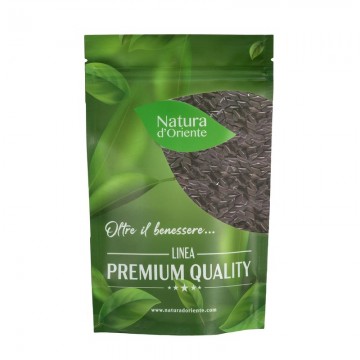
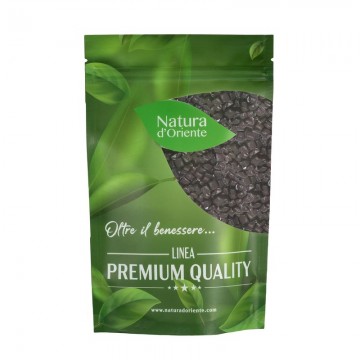
Pure crushed liquorice is a natural product obtained from the dried root of the liquorice plant (Glycyrrhiza glabra), subsequently crushed into small pieces. It has a dark brown color and an intense bittersweet flavour. Used in cooking for desserts, drinks and herbal teas, and in herbal medicine for its digestive, anti-inflammatory and expectorant properties, it offers a characteristic and distinctive aroma. It is appreciated for its authenticity and versatility of use.
licorice
Pure raw whole licorice is a specialty with an intense and authentic flavor, made with real licorice extract. Full-bodied, aromatic, and persistent, it is ideal for lovers of natural pure licorice and the strong flavors of tradition.
licorice, flavorings.
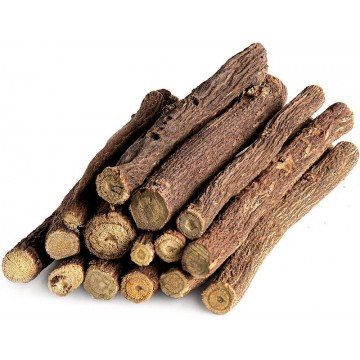
Roots have always been an attraction for children and not only… sucking them is a natural and greedy pastime. Comfortable and practical to always have them in your pocket.
licorice