
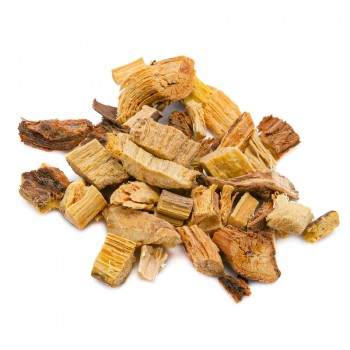
Reference: 0486
 No reward points for this product.
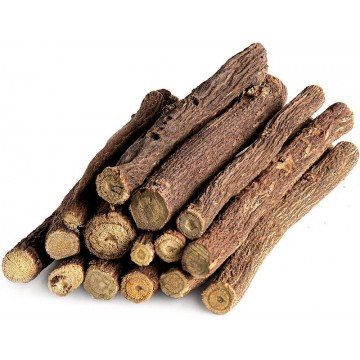
Licorice root can be used alone for an infusion or associated with other components or herbal teas. It has several properties, useful as a digestive, expectorant and anti-inflammatory. Excellent natural remedy in the treatment of cough, sore throat and gastric acidity.
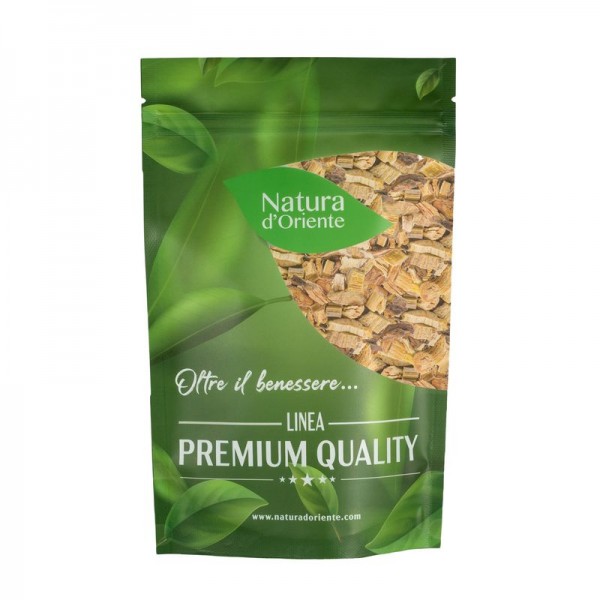
licorice root
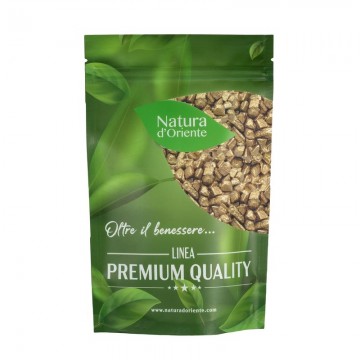
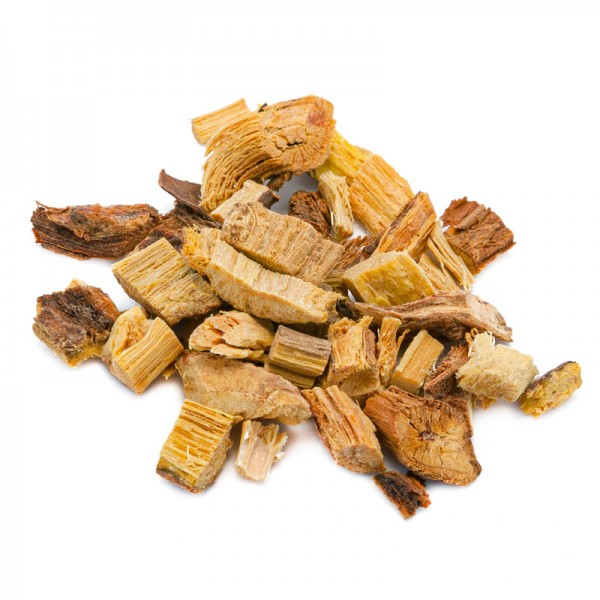
This root is prized for its sweetish flavor and is renowned in herbal medicine for its beneficial properties. It is used both as an ingredient in digestive and expectorant herbal teas and in pure licorice infusions. The cut root version, peeled and chopped, is designed specifically for this use—for infusions and decoctions. A licorice tea combines its properties with the intense and naturally sweet flavor of the root. The classic hot and expectorant infusion is also delicious enjoyed cold to quench thirst and refresh.
The infusion is made by placing about 3-5 grams of licorice in a cup (250 ml) of water at 100°C. Let it steep for 10 to 12 minutes before drinking.
Licorice root cut for herbal tea is also useful as a sweetener in other herbal teas or beverages: glycyrrhizin has a high sweetening power and allows for the creation of naturally sweet infusions.
The root of Glycyrrhiza glabra, known as licorice, is considered a natural remedy, historically used in infusions and decoctions for the body's well-being. What are the benefits of licorice tea? Its best-known action is related to the proper functioning of the digestive system; it is useful for counteracting difficulties such as slow digestion, heaviness after meals, or abdominal bloating. A licorice infusion can help soothe the discomfort of heartburn and gastroesophageal reflux. It also has a mild laxative effect. Licorice works thanks to a component contained in the root, called glycyrrhizin, or glycyrrhizic acid—also known for its sweet flavor.
When asking what licorice is good for, its traditional use for nose and throat health should also be mentioned. A warm licorice infusion can help fluid bronchial secretions. The glycyrrhizin contained in licorice root also acts in this case through emollient and expectorant properties, helping decongest the upper airways. Historically, among many Eastern populations, licorice was also used to improve joint function, with soothing effects. In addition to glycyrrhizin, licorice root's nutritional value includes antioxidant flavonoids, polysaccharides, and some mineral salts.
It is the root of the plant called Glycyrrhiza glabra, native to Western Asia and Southern Europe. It is a perennial herbaceous plant belonging to the Fabaceae or Leguminosae family. Today, the plant is one of the most widely cultivated in the world, growing in many countries and geographical areas, including the Middle East and Northern Europe. To thrive, however, it requires deep, moist soil, where it takes root slowly and then spreads easily.
Its history is thousands of years old, as the root of this plant is known to humans for its nutritional value and as a natural remedy. Licorice has been prized in many cultures, from Indian Ayurveda to TCM (Traditional Chinese Medicine), present in ancient Persia, among the Egyptians and the Greeks. The plant's name, in fact, derives from the Greek glykys (sweet) and rhiza (root). The root, sweet in flavor and rich in active ingredients, was harvested and used as a natural remedy to soothe coughs, aid digestion, and improve blood circulation.
It represented a source of longevity and vitality, cited in ancient Chinese herbals, while the Egyptians believed it could banish evil spirits from souls. As recently as the Middle Ages, so-called medicinal licorice was used by monks to treat bronchial and digestive problems, and once it reached America, it was also consumed by the natives for its beneficial properties. In the 18th century, it was processed for pastry, resulting in the shiny, black products we know today, and as a flavoring.
This chunky version represents the authentic version of licorice, perfect for those who prefer a natural diet. In our Natura d'Oriente selection, you'll find licorice root chunks ready for infusion, selected for their high quality. You can purchase licorice root cut for herbal tea in packs of 50 g, 100 g, 250 g, or 500 g.
Moderate consumption of licorice is generally recommended due to its possible effects on blood pressure in particularly sensitive individuals.
Specific References
Licorice root can be used alone for an infusion or associated with other components or herbal teas. It has several properties, useful as a digestive, expectorant and anti-inflammatory. Excellent natural remedy in the treatment of cough, sore throat and gastric acidity.
licorice root
Roots have always been an attraction for children and not only… sucking them is a natural and greedy pastime. Comfortable and practical to always have them in your pocket.
licorice
These delicious chewy sweets combine the nice shape of small fish with the intense flavor of licorice. To be enjoyed at any time of the day, obtaining the balsamic properties of licorice without added sugar. The flavour, in which a hint of sweet anise is perceived, makes these candies original and delicious to savour. Sugar-free licorice fish are also perfect for sweet table decorations or as nice gifts.
sweetener (maltitol/ acesulfameK), thickener: gum arabic, water, licorice paste, flavourings. Glycerol stabilizer, glazing agents: beeswax, vegetable oil (coconut). Dyes: E153.
With a very delicate taste, a pleasure for those who love to feel a semi-sweet taste on the palate without adding sugar.
licorice, flavourings.
Licorice, Eucalyptus, and Mint combines the intense flavor of licorice with the fresh balsamic notes of eucalyptus and mint. An aromatic candy with a fresh and persistent flavor, ideal for those who love balsamic and refreshing licorice.
licorice, cattù, natural flavors.
Terracattù silver liquorice is a fine variant of liquorice, characterized by a silver covering. It is obtained from the root of the liquorice plant (Glycyrrhiza glabra) and handcrafted. It has a distinctive appearance with a shiny silver coating and an intense and refined bittersweet flavor. It is often used as a gourmet delicacy, both for direct consumption and as a decoration for sweets and desserts. Its elegance and unique taste make it an excellent choice for lovers of high-quality liquorice.
licorice, sugar, natural flavors, color E172.
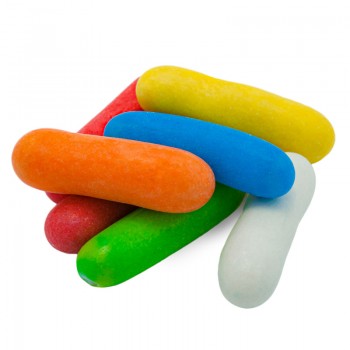
Small licorice chalks with a semi-soft texture, colorful and tasty on the palate. A different kind of licorice candy, loved by adults and children alike.
Sugar, molasses, starch (corn, rice), water, glucose and fructose syrup, modified starch (potato), 0.3% licorice extract, emulsifier: E471, humectant: E422, gelling agent (cow), salt, maltodextrin, natural flavors, colors: E100, E120, E133, E160a, glazing agents: E901, E904, E903.
Pure licorice with an intense and natural flavor, enriched with fresh citrus notes of lemon and orange. A perfect balance of sweetness, character, and Mediterranean freshness, with no added sugar.
licorice, flavorings
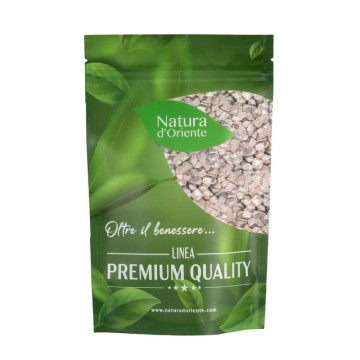
Pure crushed liquorice is a natural product obtained from the dried root of the liquorice plant (Glycyrrhiza glabra), subsequently crushed into small pieces. It has a dark brown color and an intense bittersweet flavour. Used in cooking for desserts, drinks and herbal teas, and in herbal medicine for its digestive, anti-inflammatory and expectorant properties, it offers a characteristic and distinctive aroma. It is appreciated for its authenticity and versatility of use.
licorice

Pure licorice with red fruits: an irresistible combination of the intense flavor of licorice and the fruity sweetness of strawberries, raspberries, and other red fruits. 100% natural, with no added sugar, perfect for a delicious and healthy snack. Ideal for those seeking authentic and wholesome flavors.
licorice, natural flavor.
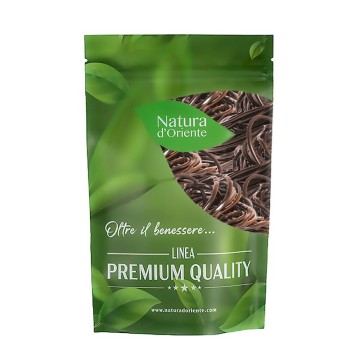
These particular licorice sweets are specialties in the form of very thin, stringy and fun sweetish spaghetti. Delicious gummy licorice sweets, perfect as a snack to be savored slowly, at any time. Spaghetti enrich the surprises on the dessert tables and can become a nice gift. They also provide the balsamic properties of licorice, and are easily digested.
molasses, WHEAT FLOUR, sugar, glucose, licorice (3%), flavourings, edible gelatin, coating agent: carnauba wax.
Pure raw whole licorice is a specialty with an intense and authentic flavor, made with real licorice extract. Full-bodied, aromatic, and persistent, it is ideal for lovers of natural pure licorice and the strong flavors of tradition.
licorice, flavorings.
Terracattu is a classic, almost vintage, product: pure licorice with the addition of very little sugar. The cattu or catecu gives this licorice a unique color, enhanced by the gold of the natural coloring.
licorice, sugar, catecu, coloring E172 External.
Pure aniseed licorice is a natural product that combines the intense taste of licorice root (Glycyrrhiza glabra) with the aromatic and sweet flavor of anise. This combination creates a unique tasting experience, characterized by a balance between the bitter-sweetness of liquorice and the fresh, spicy notes of anise. It is used both as a candy and as an ingredient in desserts, drinks and herbal teas. Appreciated for its digestive and refreshing properties, it offers a distinctive and pleasant taste.
licorice, flavourings.
Licorice with an intense aroma and bold flavor, obtained from selecting the finest licorice roots. Fine and aromatic, it is ideal for enriching desserts, creams, ice creams, drinks, and gourmet preparations with its characteristic bittersweet and persistent notes. Perfect for those who want to add an original and refined touch to their recipes, enhancing flavors and aromas with all the authenticity of real licorice.
licorice
Clove Licorice is characterized by an intense and enveloping flavor, where the natural and slightly bitter sweetness of licorice combines with the warm, spicy, and balsamic notes of cloves. The aroma is aromatic and persistent, with hints of medicinal herbs and oriental spices. On the palate, it offers a balance of sweetness, freshness, and a slight pungency, leaving a pleasant and lasting sensation.
licorice, sugar, natural flavors.
Classic golden chalks with a soft licorice root-flavored filling, coated on the outside with a thin layer of licorice powder that gives them their flavor and characteristic color.
Sugar, molasses, WHEAT flour, glucose syrup, licorice extract, licorice powder (licorice extract, sugar, dextrose, corn starch), coconut fat, ammonium chloride, modified potato starch, natural anise flavor, emulsifier: E-471.