Reference: 1890
 No reward points for this product.
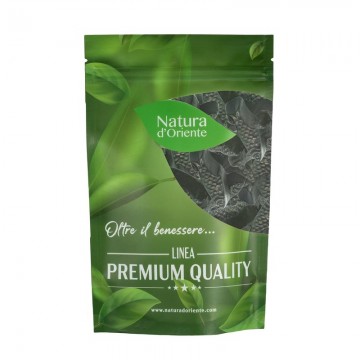
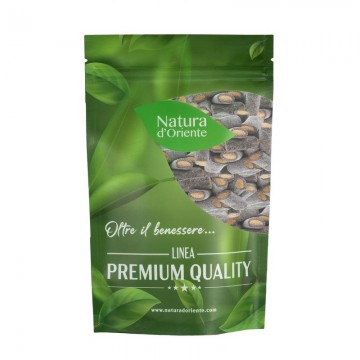
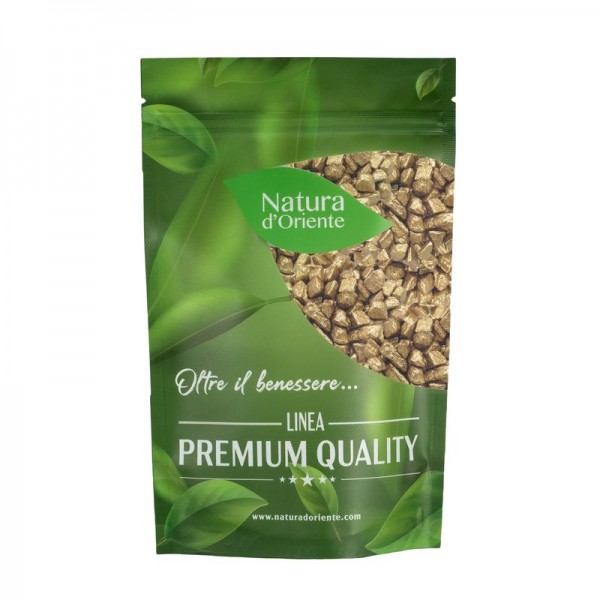
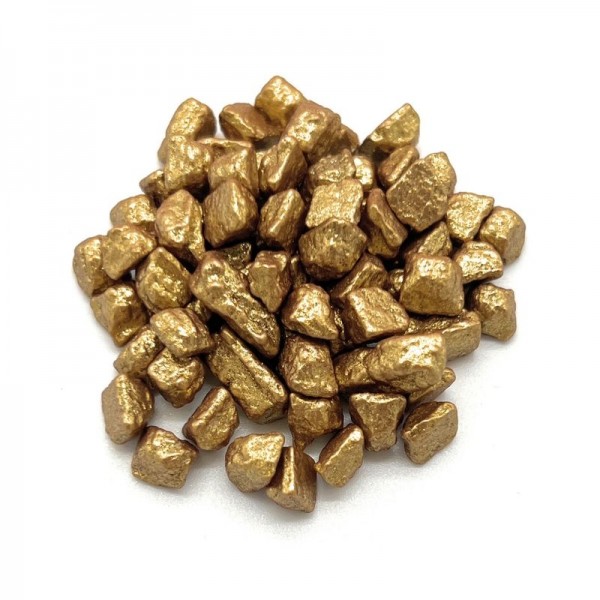
Terracattu is a classic, almost vintage, product: pure licorice with the addition of very little sugar. The cattu or catecu gives this licorice a unique color, enhanced by the gold of the natural coloring.
licorice, sugar, catecu, coloring E172 External.
Pure licorice with a little added sugar. Licorice extract is a sweetener with a sweetening power superior to that of sucrose, so why add sugar? Because licorice has a strong flavor and a tart, almost bitter aftertaste. In this case, the sugar, rather than sweetening, serves to soften the strong flavor.
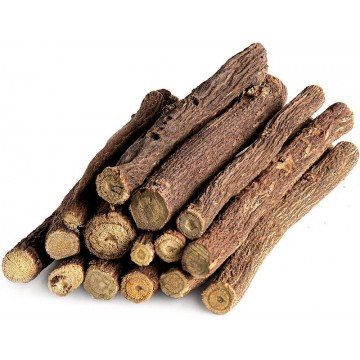
But what is licorice? It is a plant extract obtained by treating licorice roots, small sprigs that are also sold unprocessed, in hot water.
Why did we use the adjective "so-called"? Because it's not actually the roots of the licorice plant that are used, but the plant's rhizome. In some plants, a part of the stem that grows underground changes, thickening and taking on the function of a nutrient reserve. In the case of many herbaceous plants such as liquorice, this reserve is what allows the plant to perennialize, that is, to survive the annual cycle. Licorice is a perennial herbaceous plant and not an annual thanks to the rhizome. This is why licorice "root" is so rich in nutrients (especially carbohydrates) and active ingredients (the main one being glycyrrhizin, the scientific name of the plant, Glycyrrhiza glabra) that have made it popular as a medicinal remedy for millennia.
The ancient Greeks (and the Chinese at the time of the first herbal) prescribed it as a remedy for a variety of ailments, primarily as a cough remedy thanks to its expectorant and digestive properties, but the Egyptians and Assyrians also knew about it.
This licorice, since the eye also wants its part, is colored with an attractive gold color. The colorants used are iron oxides (E 172), considered among the safest food colorings. No negative effects are known, and above all, it is a natural colorant, terracattu, from which various colors can be obtained and is highly prized for its Its completely neutral flavor doesn't alter it at all.
A fun fact: you'll find it written everywhere that terracattu or catechù is obtained from an acacia tree. This isn't strictly true. It's true that the tree from which it is obtained is commonly called acacia catechù, but the scientific name Senegalia catechu reveals that the plant belongs to the Senegalia genus, which is another genus belonging to the Fabaceae family, like the Acacia genus. And continuing with the botanical curiosities, Glycyrrhiza glabra is also part of the Fabaceae family, but it is a huge family, comprising over 18,000 species divided into nearly 800 genera. So if licorice and acacia are related, they are very distantly related. Licorice, being part of the Faboideae subfamily, is closer to broad beans, peas, beans, etc., i.e., the plants commonly known as legumes. Acacia and Senegallia, on the other hand, are very closely related and belong to the almost unpronounceable subfamily of Caesalpinioideae.
Data sheet
Specific References
Terracattu is a classic, almost vintage, product: pure licorice with the addition of very little sugar. The cattu or catecu gives this licorice a unique color, enhanced by the gold of the natural coloring.
licorice, sugar, catecu, coloring E172 External.
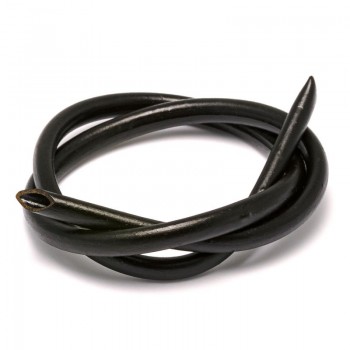
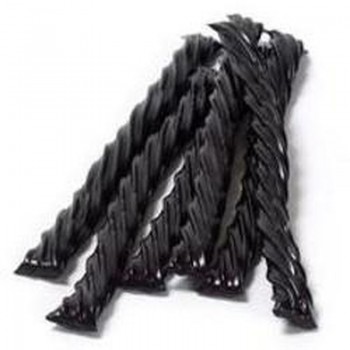
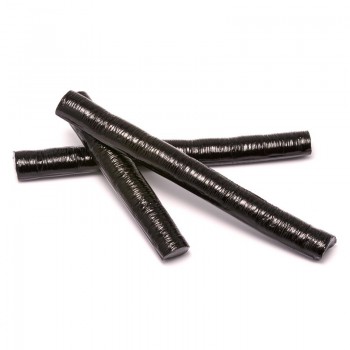
The so-called shoelaces also known as telephone wires, are truly a classic format. Each shoelace is 30 cm long, with a soft and rubbery consistency accompanied by that unmistakable taste of licorice that we loved so much as children (...and that we still appreciate).
molasses, WHEAT flour, sugar, glucose, licorice (3%), flavourings, edible gelatine, carnauba wax.
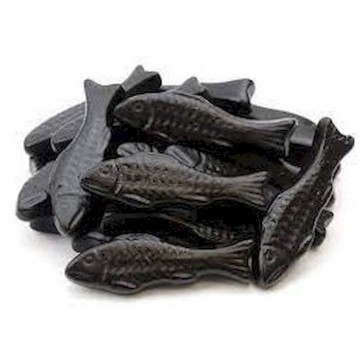
A timeless classic, licorice fish, typical of Italian confectionery tradition. Their cute shape combined with the intense flavor of licorice make them a delicious treat any time of day. The balsamic aroma of licorice and the taste of anise make these gummy candies unique to savor. Original to use as dessert table decorations or as a nice gift.
Glucose syrup, sugar, edible gelatin, licorice juice, coloring: E150a, vegetable oil (coconut), flavorings, glazing agent: beeswax.
The famous “Sassolini dello Ionio” by Amarelli are also known as Assabesi. Classic confetti with a thin layer of sugar and a tasty heart of licorice. Their shape and color are reminiscent of the pebbles typical of the splendid Calabrian beaches.
sugar, gum arabic, glucose syrup, licorice, starches (corn and rice), natural anise and vanilla flavors, colorings: E153, plain caramel, technological adjuvants: beeswax, vegetable oils.
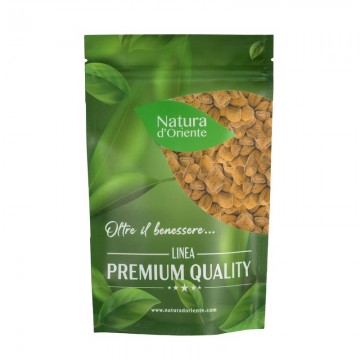
Pure licorice grains dusted with cinnamon powder, no added sugar. For those who love the taste of natural licorice, this delicious variation with a hint of spice is worth trying, very aromatic and pleasant on the palate.
licorice, cinnamon powder.
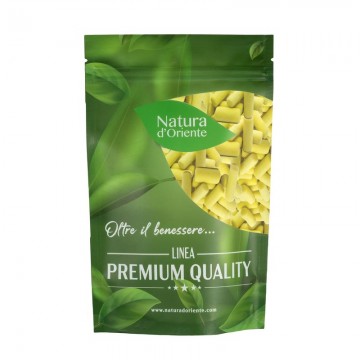
The bright yellow color of these ginger and lemon licorice chalks is truly inviting, and their flavor is equally as inviting. These delicious candies combine the intense sweetness and aroma of licorice with the tangy, refreshing flavor of ginger and lemon.
Sugar, cane sugar molasses, contains sulfites, WHEAT flour, glucose syrup, palm oil, ginger, (0.67%) licorice extract, Whole MILK powder, salt, gelatin, natural lemon flavor with other natural flavors (0.03%), star anise flavor. Coloring: curcumin, vegetable oils (rapeseed, coconut), glazing agents: gum arabic and cernauba wax.
These delicious chewy sweets combine the nice shape of small fish with the intense flavor of licorice. To be enjoyed at any time of the day, obtaining the balsamic properties of licorice without added sugar. The flavour, in which a hint of sweet anise is perceived, makes these candies original and delicious to savour. Sugar-free licorice fish are also perfect for sweet table decorations or as nice gifts.
sweetener (maltitol/ acesulfameK), thickener: gum arabic, water, licorice paste, flavourings. Glycerol stabilizer, glazing agents: beeswax, vegetable oil (coconut). Dyes: E153.
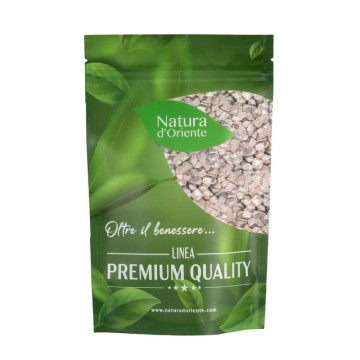
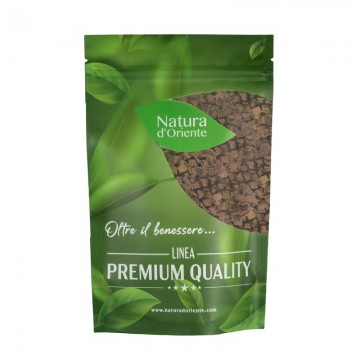
Pure crushed liquorice is a natural product obtained from the dried root of the liquorice plant (Glycyrrhiza glabra), subsequently crushed into small pieces. It has a dark brown color and an intense bittersweet flavour. Used in cooking for desserts, drinks and herbal teas, and in herbal medicine for its digestive, anti-inflammatory and expectorant properties, it offers a characteristic and distinctive aroma. It is appreciated for its authenticity and versatility of use.
licorice


These soft chalks are perfect for those who love the sweet-savory contrast, leaving a truly pleasant sensation on the palate, a touch of extra saltiness that enhances the classic aromatic flavor of licorice.
Sugar, WHEAT flour, molasses, glucose syrup, vegetable fats (shea, coconut), ammonium chloride, licorice extract, gelatin, salt, E422, colors E150c, E153.
Pure crushed licorice, flavored with bergamot, a distinctive sweet taste with a bitter aftertaste, with fresh, citrus notes that temper the intensity of the pure licorice. A pleasure for the palate.
licorice, sugar, flavorings.
For many, these delicious gummy licorice braids will perhaps remind them of childhood, markets, village festivals, rides and festivals. A delicious dip into the past. Those who have not yet tried them should not miss the opportunity to taste them.
molasses, WHEAT flour, sugar, glucose, licorice, flavourings, edible gelatin, carnauba wax.
(Box of 50 pieces corresponds to approximately 5 kg of product)
Roots have always been an attraction for children and not only… sucking them is a natural and greedy pastime. Comfortable and practical to always have them in your pocket.
licorice
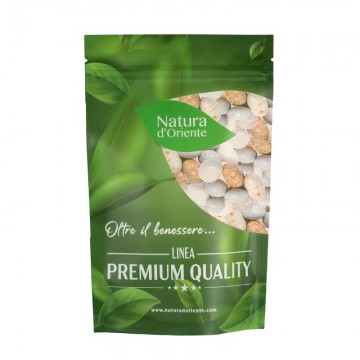
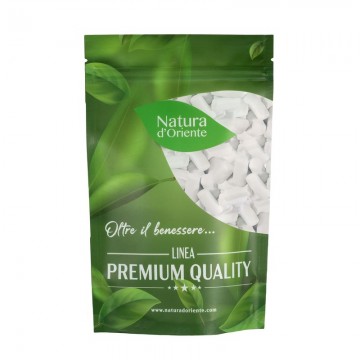
White Licorice Chalks are a type of licorice-based candy. These chalks feature a white outer coating, usually made of sugar, enclosing a black licorice core. The flavor combination creates a contrast between the sweetness of the outer layer and the intense, slightly bitter taste of the licorice. The texture is crunchy on the outside and soft on the inside. They are highly prized by licorice lovers for their unique flavor and the pleasant sensory experience they offer.
Licorice extract, WHEAT flour, sugar, glucose syrup, fructose, vegetable flavorings, thickener, edible gelatin, coloring E150d - salt, flavorings.
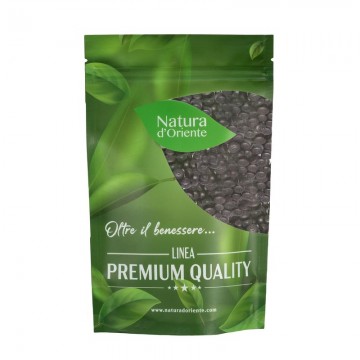
Pleasant mini licorice discs with an unusual flavor, combining the sweet and aromatic notes of pure licorice with the rather bold notes of ginseng extract. Two of the roots most prized for their properties combined in a small but intensely flavored candy.
Pure licorice, ginseng extract (1%), flavorings.
Terracattù silver liquorice is a fine variant of liquorice, characterized by a silver covering. It is obtained from the root of the liquorice plant (Glycyrrhiza glabra) and handcrafted. It has a distinctive appearance with a shiny silver coating and an intense and refined bittersweet flavor. It is often used as a gourmet delicacy, both for direct consumption and as a decoration for sweets and desserts. Its elegance and unique taste make it an excellent choice for lovers of high-quality liquorice.
licorice, sugar, natural flavors, color E172.
Licorice, Eucalyptus, and Mint combines the intense flavor of licorice with the fresh balsamic notes of eucalyptus and mint. An aromatic candy with a fresh and persistent flavor, ideal for those who love balsamic and refreshing licorice.
licorice, cattù, natural flavors.
A licorice stick with an intense and authentic flavor. Licorice takes center stage with its strong and persistent flavor, while starch contributes to the firm texture and molasses adds a natural sweet note that balances the aromatic profile. Ideal for slow enjoyment, it is designed for those who appreciate traditional licorice and authentic flavors, without excess. A timeless classic, perfect as a natural snack or a small daily pleasure.
A pure and hard licorice stick for lovers of strong licorice. Individually wrapped.
Approximately 62 pieces equal a full 1 kg box
Licorice, starch, molasses.