
Reference: 0181
 No reward points for this product.
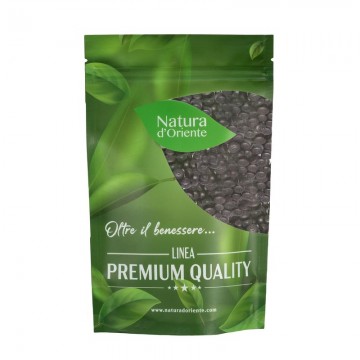
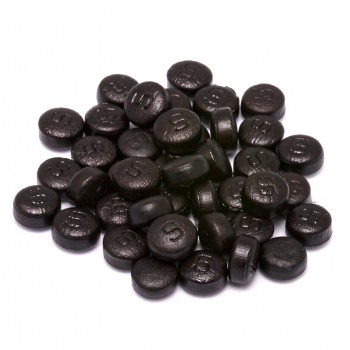
Pleasant mini licorice discs with an unusual flavor, combining the sweet and aromatic notes of pure licorice with the rather bold notes of ginseng extract. Two of the roots most prized for their properties combined in a small but intensely flavored candy.
Pure licorice, ginseng extract (1%), flavorings.
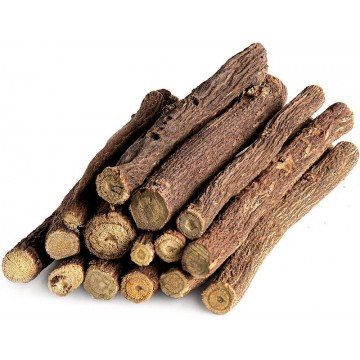
You love licorice, you think you're simply treating yourself to a sweet treat, but instead you're "treating" yourself with a powerful tonic. Is that possible? Well, if we listen to traditional Chinese medicine and the knowledge of the ancient Greeks and Romans, it would seem so. In fact, licorice and ginseng have in common that they are both considered to be invigorating. Although they belong to completely separate plant families (Fabaceae in the case of licorice and Araliaceae in the case of ginseng), licorice and ginseng also have in common that they grow underground. Licorice is obtained from the rhizome (a thickened part of the stem that serves as a nutrient reservoir and is found underground) of a plant called Glycyrrhiza glabra, while ginseng is obtained from the roots of plants of the Panax genus. And here we come to the Greeks and Latins. The Latin term Panax derives from the Greek words pan (all) and akèia (cure, remedy), and so the term panacea (remedy for all ills) and the name of this genus of plants have the same etymological origin. The term ginseng, on the other hand, is Chinese and means "man's plant."
Modern science has confirmed the invigorating effect of ginseng in some studies, particularly in the area of sexual performance. It would appear that this effect is not due to hormonal changes but to a direct effect on the central nervous system. Therefore, it would seem likely, though not certain, that the properties long attributed to ginseng will find some confirmation in the light of science. The best quality ginseng, just like coffee, is grown in the mountains between 700 and 1,500 meters above sea level. This is where the similarities with licorice end. Ginseng loves the mountains and is native to Asia (there's also an American version, but the highest quality varieties are Chinese and Korean), while licorice, native to the Mediterranean and the Near East, hates the cold and prefers moist, loose soil because its roots need to expand.
Let's get to the flavor. In this respect, pure licorice and ginseng are opposites, or, if you like, complementary. Licorice is sweet—it's used as a sweetener—but it has a slightly bitter and acidic aftertaste. Ginseng, on the other hand, is bitter and slightly spicy, but with a sweetish aftertaste. Pure ginseng therefore does not have a taste that will please everyone, but added as a flavoring to pure licorice discs it can more easily meet the taste of the majority of people, because obviously the flavor you perceive is that of licorice but with a little something extra.
Data sheet
Specific References
Pleasant mini licorice discs with an unusual flavor, combining the sweet and aromatic notes of pure licorice with the rather bold notes of ginseng extract. Two of the roots most prized for their properties combined in a small but intensely flavored candy.
Pure licorice, ginseng extract (1%), flavorings.
White Licorice Chalks are a type of licorice-based candy. These chalks feature a white outer coating, usually made of sugar, enclosing a black licorice core. The flavor combination creates a contrast between the sweetness of the outer layer and the intense, slightly bitter taste of the licorice. The texture is crunchy on the outside and soft on the inside. They are highly prized by licorice lovers for their unique flavor and the pleasant sensory experience they offer.
Licorice extract, WHEAT flour, sugar, glucose syrup, fructose, vegetable flavorings, thickener, edible gelatin, coloring E150d - salt, flavorings.
Licorice, Eucalyptus, and Mint combines the intense flavor of licorice with the fresh balsamic notes of eucalyptus and mint. An aromatic candy with a fresh and persistent flavor, ideal for those who love balsamic and refreshing licorice.
licorice, cattù, natural flavors.
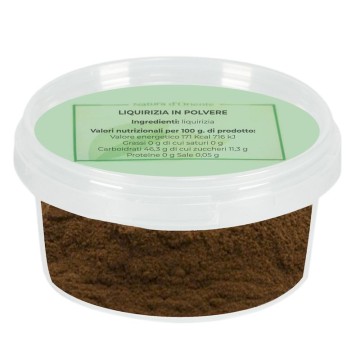
Licorice with an intense aroma and bold flavor, obtained from selecting the finest licorice roots. Fine and aromatic, it is ideal for enriching desserts, creams, ice creams, drinks, and gourmet preparations with its characteristic bittersweet and persistent notes. Perfect for those who want to add an original and refined touch to their recipes, enhancing flavors and aromas with all the authenticity of real licorice.
licorice
Delicious black licorice chalks with an intense and enveloping flavor, perfect for lovers of real licorice. Soft, aromatic, and ideal for enjoying at any time of day. One leads to another.
Sugar, molasses, WHEAT flour, glucose syrup, licorice extract, fully hydrogenated vegetable fat (coconut), thickener (gum arabic), ammonium chloride, humectant (glycerol, sorbitol), colors: E153-E150D, edible gelatin, flavorings, salt, vegetable oils (coconut, palm), glazing agent: beeswax.
With a very delicate taste, a pleasure for those who love to feel a semi-sweet taste on the palate without adding sugar.
licorice, flavourings.
Pure aniseed licorice is a natural product that combines the intense taste of licorice root (Glycyrrhiza glabra) with the aromatic and sweet flavor of anise. This combination creates a unique tasting experience, characterized by a balance between the bitter-sweetness of liquorice and the fresh, spicy notes of anise. It is used both as a candy and as an ingredient in desserts, drinks and herbal teas. Appreciated for its digestive and refreshing properties, it offers a distinctive and pleasant taste.
licorice, flavourings.
These soft chalks are perfect for those who love the sweet-savory contrast, leaving a truly pleasant sensation on the palate, a touch of extra saltiness that enhances the classic aromatic flavor of licorice.
Sugar, WHEAT flour, molasses, glucose syrup, vegetable fats (shea, coconut), ammonium chloride, licorice extract, gelatin, salt, E422, colors E150c, E153.
The bright yellow color of these ginger and lemon licorice chalks is truly inviting, and their flavor is equally as inviting. These delicious candies combine the intense sweetness and aroma of licorice with the tangy, refreshing flavor of ginger and lemon.
Sugar, cane sugar molasses, contains sulfites, WHEAT flour, glucose syrup, palm oil, ginger, (0.67%) licorice extract, Whole MILK powder, salt, gelatin, natural lemon flavor with other natural flavors (0.03%), star anise flavor. Coloring: curcumin, vegetable oils (rapeseed, coconut), glazing agents: gum arabic and cernauba wax.
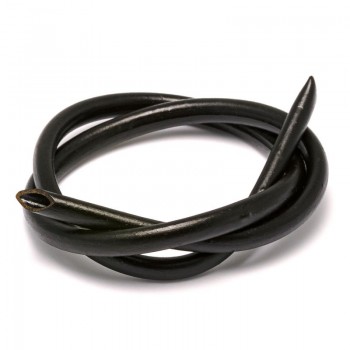
The so-called shoelaces also known as telephone wires, are truly a classic format. Each shoelace is 30 cm long, with a soft and rubbery consistency accompanied by that unmistakable taste of licorice that we loved so much as children (...and that we still appreciate).
molasses, WHEAT flour, sugar, glucose, licorice (3%), flavourings, edible gelatine, carnauba wax.
Pure Ginger and Lemon Licorice combines the intense flavor of natural licorice with the citrus freshness of lemon and the spicy notes of ginger. An aromatic licorice with a lively and original flavor, perfect for those who love fresh and persistent flavors.
Licorice, potato dextrin, ground ginger, natural lemon flavor, rice starch.
The famous “Sassolini dello Ionio” by Amarelli are also known as Assabesi. Classic confetti with a thin layer of sugar and a tasty heart of licorice. Their shape and color are reminiscent of the pebbles typical of the splendid Calabrian beaches.
sugar, gum arabic, glucose syrup, licorice, starches (corn and rice), natural anise and vanilla flavors, colorings: E153, plain caramel, technological adjuvants: beeswax, vegetable oils.
A licorice stick with an intense and authentic flavor. Licorice takes center stage with its strong and persistent flavor, while starch contributes to the firm texture and molasses adds a natural sweet note that balances the aromatic profile. Ideal for slow enjoyment, it is designed for those who appreciate traditional licorice and authentic flavors, without excess. A timeless classic, perfect as a natural snack or a small daily pleasure.
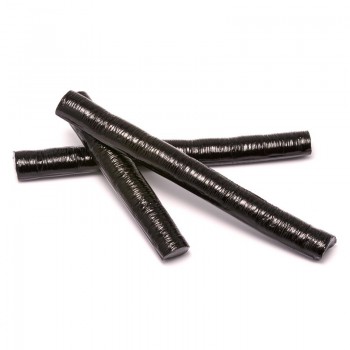
A pure and hard licorice stick for lovers of strong licorice. Individually wrapped.
Approximately 62 pieces equal a full 1 kg box
Licorice, starch, molasses.
Clove Licorice is characterized by an intense and enveloping flavor, where the natural and slightly bitter sweetness of licorice combines with the warm, spicy, and balsamic notes of cloves. The aroma is aromatic and persistent, with hints of medicinal herbs and oriental spices. On the palate, it offers a balance of sweetness, freshness, and a slight pungency, leaving a pleasant and lasting sensation.
licorice, sugar, natural flavors.
Classic golden chalks with a soft licorice root-flavored filling, coated on the outside with a thin layer of licorice powder that gives them their flavor and characteristic color.
Sugar, molasses, WHEAT flour, glucose syrup, licorice extract, licorice powder (licorice extract, sugar, dextrose, corn starch), coconut fat, ammonium chloride, modified potato starch, natural anise flavor, emulsifier: E-471.
Pure crushed liquorice is a natural product obtained from the dried root of the liquorice plant (Glycyrrhiza glabra), subsequently crushed into small pieces. It has a dark brown color and an intense bittersweet flavour. Used in cooking for desserts, drinks and herbal teas, and in herbal medicine for its digestive, anti-inflammatory and expectorant properties, it offers a characteristic and distinctive aroma. It is appreciated for its authenticity and versatility of use.
licorice
Roots have always been an attraction for children and not only… sucking them is a natural and greedy pastime. Comfortable and practical to always have them in your pocket.
licorice