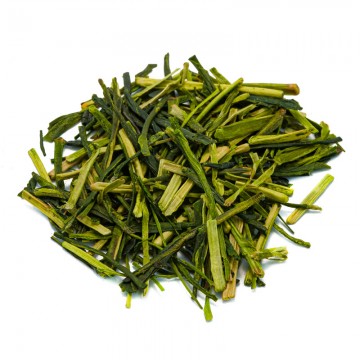
![green tea hemp mango [Natura d'Oriente]](https://www.naturadoriente.com/3381-large_default/green-tea-mango.jpg "green tea hemp mango [Natura d'Oriente]")
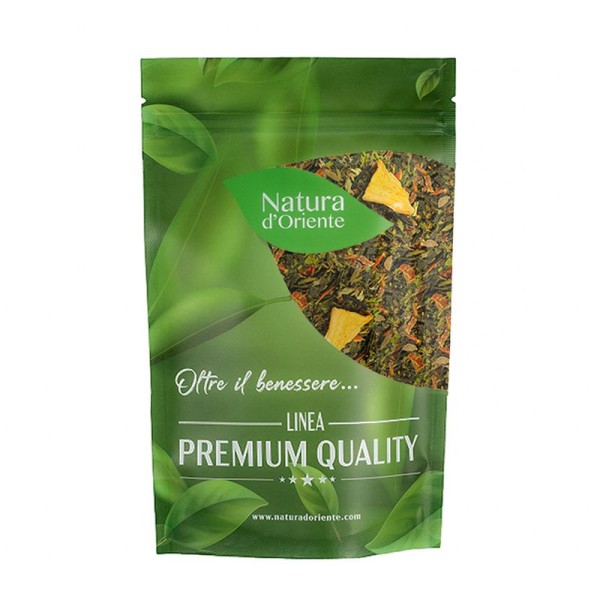
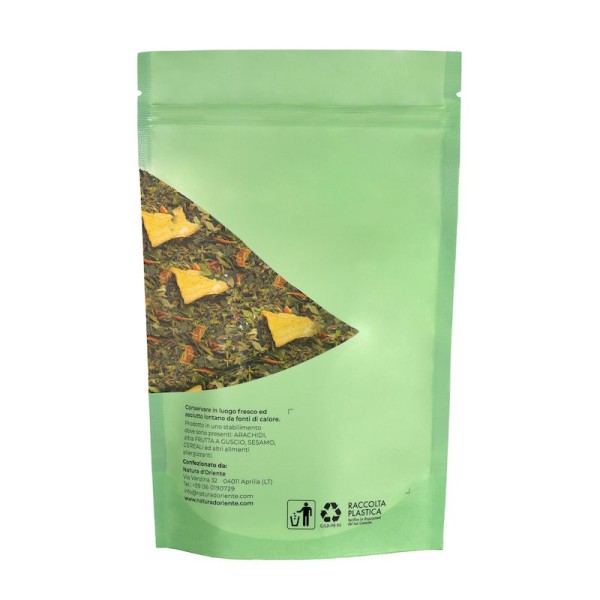
![green tea hemp mango [Natura d'Oriente]](https://www.naturadoriente.com/3381-home_default/green-tea-mango.jpg "green tea hemp mango [Natura d'Oriente]")

NOTICE: POSSIBLE DELAYS IN SHIPMENTS
We would like to inform our valued customers that, due to the protests in Southern Italy, there may be delays in deliveries to Sicily, Puglia, Basilicata, Calabria, Campania, Abruzzo, and Molise. We apologize for any inconvenience.
Reference: 1135
 No reward points for this product.
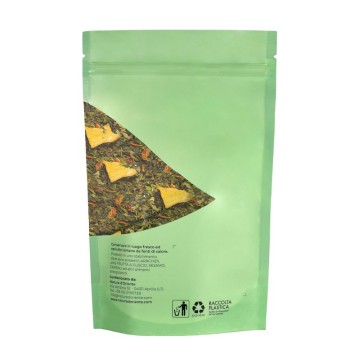
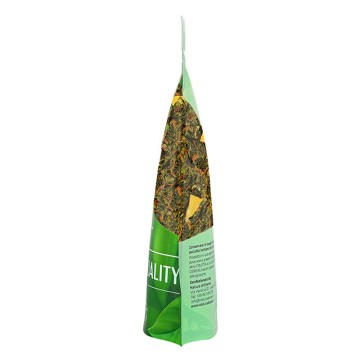
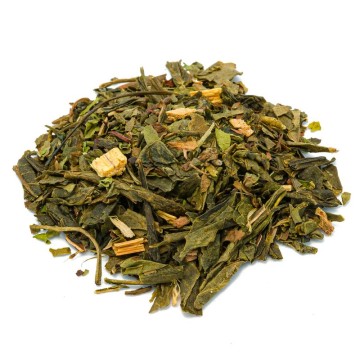
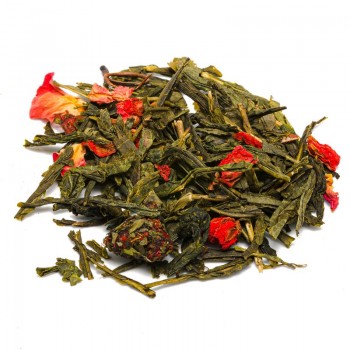
Green tea with mango has a fruity and very tasty flavor. The green tea leaves marry the flavor of mango for a surprising and thirst-quenching result, which relaxes and aids digestion. Much loved for breakfast or for an afternoon break with tropical and delicious notes.
Green tea (65%), mango flakes, grated carrot, lemon verbena, natural flavouring, sweet blackberry leaves, safflower.
This tea combines the fruity taste of mango flakes with the soft green tea with herbaceous nuances. It is enriched with notes of carrot and sweet blackberry leaves, for a pleasant taste to sip both hot and cold.
It can become a refreshing tea with a tropical scent in the summer, or enveloping in fruity and intense aromas in the winter. The green tea base is a delicate background, and helps the properties of this infusion.
Green tea is considered valid for our well-being for the high content of tannins, flavonoids and Vitamin C. A high antioxidant potential, which combines with the qualities known for millennia, as a tonic drink against tiredness, stress and fatigue. This mango green tea can provide us with useful active ingredients, thanks to the presence of three different ingredients. Some of the qualities of green tea are enhanced by the presence of mango, as regards the ability to quench thirst and provide the body with vitamins and mineral salts.
Thanks to the high levels of vitamins A, B and C, the components of mango and tea are able to support the metabolism and the immune system. Vitamin C and vitamin A represent potential antioxidants in this infusion, which together with other phytonutrients can also promote well-being against oxidative stress of cells. Mangiferin, the main polyphenol present in mango, is another antioxidant useful in the fight against free radicals, which cause cellular damage.
Mango and green tea offer benefits for our well-being, such as the ability to improve digestion and intestinal transit, reducing the risk of constipation or indigestion.
This hydrating tea can also provide benefits for stomach ache, relieving bloating after meals.
Green tea, which is so popular all over the world today, has actually been consumed for centuries only by the Asian elite. It comes from the Camellia sinensis plant, and is distinguished from other teas by its processing. The drying cycle determines the color of the tea, and green tea is such because it shows a shorter drying period to avoid oxidation. This rapid process ensures that they maintain their green color.
According to Chinese tradition, the tea leaves are withered, and when the moisture evaporates, they are heated for cooking and curling. In Japan, for example, they willingly skip the withering and move straight to oxidation, by heating the tea leaves as soon as possible after harvesting.
The heating methods vary depending on the techniques and regions (in China they roast in a pan, in Japan they steam). The last phase consists of rolling the tea leaves by hand, in order to eliminate excess water or sap. A process that defines the different types of tea. Tea was very widespread since ancient times in Asian countries such as China, Japan and India, but the particular green tea has become available to all levels of society only in the last few centuries. If the infusion was already known in 2700 years BC, only in the 14th century did green tea spread among all Chinese. They appreciated its taste and medicinal qualities, also passed down with the arrival of green tea in Europe in the 16th century, and then in America. Today, green tea is highly appreciated and consumed throughout the world.
This fruit is highly appreciated for its delicious taste, and for centuries it has been one of the fruits linked to the Hindu religious culture. In Indian legends, a mango tree often appears, sacred to the Hindus. The leaves were used to embellish banquets and weddings, or to create garlands to decorate temples. The mango spread towards East Asia and then later in Africa in the 10th century, through Arab merchants. It soon arrived in Europe, where it was called “manga” from the Indian Tamil maangai. Through the Portuguese, the mango tree arrived in South America in the 17th century. Today, mango is grown in many tropical and subtropical countries, in Italy it is grown in Sicily and is also highly appreciated for its ease of conservation.
The components of tea are different, and the blend contains leaves and ingredients from different origins. We offer an infusion with green tea, mango flakes, grated carrot, sweet blackberry leaves and safflower. It tends to grow around 2 meters tall, with a potential of up to 6 meters, with long, narrow leaves and branches all along the plant.nta. The buds have a fruity, sometimes sweet, scent. Cannabis sativa takes 9 to 12 weeks for a first harvest. The mango plant is Mangifera Indica, an evergreen with branches and resinous bark. The leaves of the plant are pointed and shiny, the flowers are white-pink or yellowish, and not all of them bear mango fruits. The fruits are quite few compared to the flowers, and take three to six months to ripen, depending on the variety of Mangifera Indica. The mango as a fruit is usually large, yellow-reddish in color. The weight of the fruit can even exceed two kilos. Safflower flowers come from the annual plant Carthamus tinctorius, which is very branched. It belongs to the Asteraceae family. Also called saffron (because it is used as a substitute for saffron), it is native to arid environments with seasonal rains. The yellow-orange flowers are used for infusions and to produce cosmetics.
This infusion contains different nutrients, being formed by different plants. Green tea makes vitamins available (Vitamins A, B, C) and various antioxidants flavonoids, catechins and polyphenols. It contains valuable minerals (selenium, copper, zinc, fluorine, manganese, calcium), tannins and a low dose of theine (caffeine).
Mango flakes add other doses of minerals such as potassium, magnesium, copper, manganese and phosphorus. Supports tea with the content of B vitamins, vitamin E, C, K and beta-carotene precursor of vitamin A.
The infusion is obtained by placing in a cup (250 ml), about 3-5 grams of the green tea with mango mixture, in water at 80 °C. Let it infuse for 2 to 3 minutes, before drinking this green tea. Add honey or sugar, if desired.
Regarding green tea, although consumed by millions of people a day, there are some potential effects due to the theine (caffeine) content, if taken in excessive doses. High quantities of green tea can cause headaches, palpitations, agitation, anxiety and insomnia. In addition, too much tea could affect the functioning of the thyroid or cause liver fatigue; for this reason, it is advisable to maintain consumption at the recommended doses, and consult a specialist in case of chronic pathologies.
This infusion balances the stimuli of theine, therefore it avoids particular adverse effects, but it is necessary to respect the recommended quantities. Consult a specialist if you suffer from a chronic health condition for the nervous system, heart failure and take anticoagulant drugs. It is also possible to be allergic to the components of the infusion, so it is advisable to read its composition carefully. Excessive consumption can cause gastrointestinal irritation, nausea, diarrhea and swelling. This infusion is not recommended for pregnant or breastfeeding women.
Green tea with mango has a fruity and very tasty flavor. The green tea leaves marry the flavor of mango for a surprising and thirst-quenching result, which relaxes and aids digestion. Much loved for breakfast or for an afternoon break with tropical and delicious notes.
Green tea (65%), mango flakes, grated carrot, lemon verbena, natural flavouring, sweet blackberry leaves, safflower.
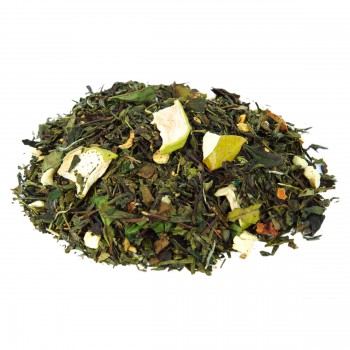
A place of merit is reserved for this particular drink of tea with mint and licorice, with a characteristic flavor and protective and curative action aimed above all, but not only, at the apparatus digestive. With an intense and pleasant taste to try without fail.
China Sencha green tea, liquorice (13%), spearmint (11%).
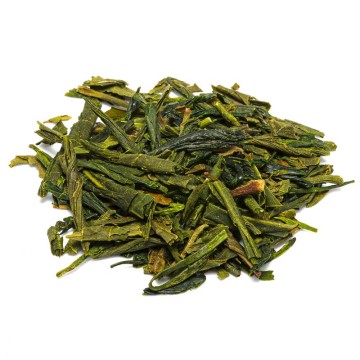
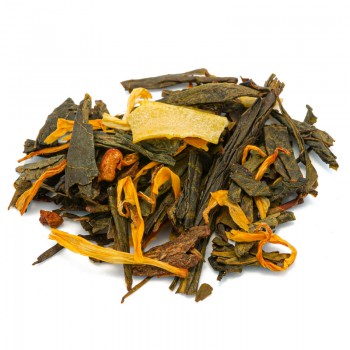
This type of tea differs from others in its pleasant and penetrating flavor. Its leaves and buds are collected in full sun and then immediately steamed to stop the oxidation process. Its aroma recalls the grass of mountain pastures. The flavor may vary depending on the temperature to which it is subjected. If the water is moderately hot, the infusion will have a slightly soft and delicate flavor, but if the water is hot, its taste becomes more bitter and strong.
Sencha green tea
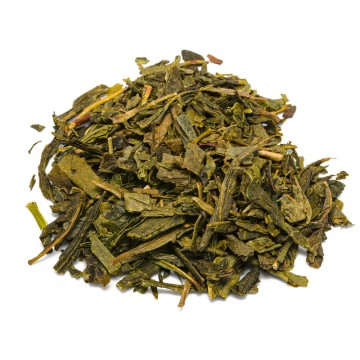
Tea very popular in Japan and drunk during meals for its digestive properties, an aid to cleanse the liver and excellent support for diuresis. The characteristic of this tea is the very low content of tannins as the leaves are harvested at the end of the season when the leaf reaches the minimum level of theine. Its taste is fresh, but at the same time with a slightly bitter and herbaceous aftertast.
Green tea Bancha
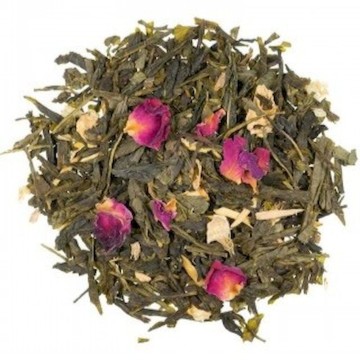
Inspired by the Japanese tradition of hanami, this green tea combines the freshness of tea leaves with the delicate scent of cherry blossoms. Its fruity and floral aroma recalls spring in bloom, providing a harmonious, soft and slightly sweet infusion. Ideal for those seeking a moment of relaxation and wanting a refined, fragrant and slightly fruity tea.
Sencha green tea, aroma, rose petals.
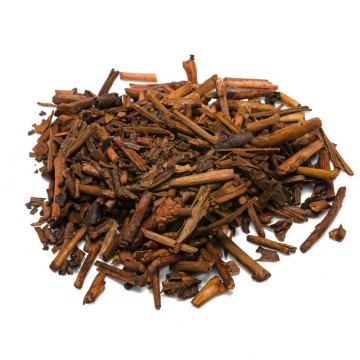
It literally means "Stem Tea" because it is obtained from the twig of the green tea plant aged at least 3 years.
This gives this type of tea the characteristic of not having any theine content to the point of being able to drink all day without any problem and be enjoyed even by elderly people.
In fact, it recalls the grassy flavor of green tea but at the same time also the taste of hazelnuts and chestnuts. To be drunk also during meals as a substitute for water and if desired also with the addition of rice malt or apple juice.
toasted Kukicha leaves
The decisive and persistent taste of Chun Mee tea combines the sweetness of vanilla with the floral fragrance of lavender intoxicating mind and body. Ideal on cold winter afternoons to relax the mind and suggest it by transporting it to the immense distant French lands cultivated in Lavandala.
China Chun Mee green tea, China Jasmin green tea, orange peel, natural flavor, lemon peel, lavender, natural lavender flavor, vanilla.
What better way is there to enjoy tea than with the perfect combination of pomegranate flowers combined with rose petals? This union makes this tea very fragrant and delicious on the palate. The pomegranate combined with the remarkable properties of green tea, gives this drink healthy benefits on the cardiovascular, cardiovascular, diuretic and anti-inflammatory system.
Sencha green tea (90%), pomegranate flowers, rose, flavourings.
A tea with a rich and intriguing taste for a sip of pure pleasure. Ginger releases that sense of spiciness combined with freshness, the apple with its sweetness and body balances the flavor of the tea. The remarkably known properties of ginger as an excellent anti-inflammatory, combined with those of apple used since ancient times as a useful remedy to purify the respiratory tract and counteract asthma. Recommended both in winter and in summer.
green tea (60%), white tea (15%), apple segments, pieces of ginger, flavouring, sweet blackberry leaves.
A tea in great demand by those who want to lose weight. Its detoxifying and diuretic properties promote weight loss if used regularly helping the metabolism to work more easily. Its taste is highly appreciated remembering the exotic sweet flavors.
China Sencha green tea, coconut (coconut, coconut oil, sugar), pineapple (pineapple, sugar), apple, cinnamon pieces, flavouring, calendula.
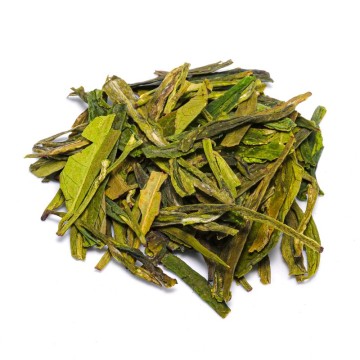
Among the most famous Chinese teas, with its emerald color and refined aroma it was also an imperial tea. Grown on the hills, in spring it is harvested and processed by hand over heat sources, which block fermentation. The processing then presses the leaves and makes it unique: a green tea with a chestnut aftertaste, a fresh and delicate flavor.
Green tea Lung Ching
This tea with an intense flavor and enveloping aroma, is enriched with the tones of roasted almonds. Sencha green tea leaves marry the taste of almond and other sweet notes, for a surprising result. An intoxicating and original drink that you can enjoy natural or low in sugar, ideal in any season.
China Sencha green tea, coconut (coconut, coconut oil, sugar), Pai Mu Tan white tea, cinnamon pieces, flavouring, ALMOND (3%).
Green tea with vanilla and cinnamon is rich in well balanced flavors. The aroma is dominated by the unmistakable taste of vanilla. An infusion with a classic and surprising taste at the same time, ideal in all seasons.
China Sencha green tea, apple, orange peel, cinnamon sticks, natural flavouring, rose petals, vanilla.
Strong drink, with a citrus flavor. The aroma of bergamot, strong but very refreshing, gives the tea a strong but at the same time pleasant aroma. Excellent remedy for the respiratory tract.
Decaffeinated green tea (94 %), orange peel, lemon peel, natural bergamot oil.
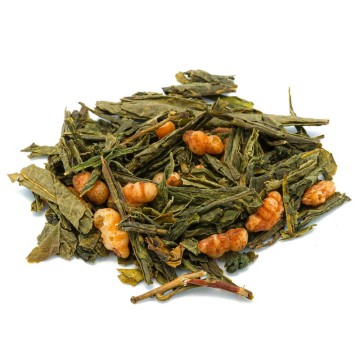
A tea with puffed rice, particular in taste for its balanced and delicate flavour. Two contrasting nuances, which enrich the flavor of the tea with sweet, almost nutty tones: making it ideal for hot drinking. The benefits of organic green tea are combined with tasty smoothness, in a drink appreciated for relaxation.
China Genmaicha green tea, puffed rice.
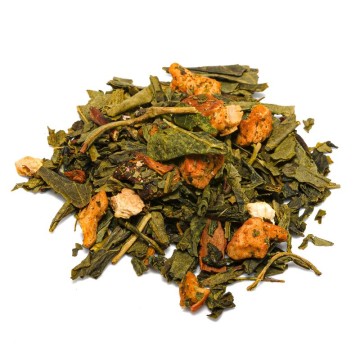
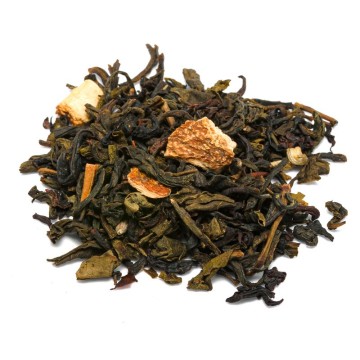
This thirst-quenching tea can also be drunk cold, giving the palate a citrus and refreshing flavour. It is a drink that spreads the scents of orange and grapefruit in the air, also providing the healthy virtues of green tea and these citrus fruits for digestion.
Green tea (60%), pumpkin, orange peel, carrot flakes, natural grapefruit flavourings.
This Kukicha green tea comes from a Japanese recipe, the infusion of stems and twigs of the tea plant, without the leaves. For this reason, Kukicha contains less theine, but is very rich in antioxidants and minerals. It gives an excellent quantity of calcium, vitamins A, C and group B. A concentrate of well-being, full-bodied, with a slightly sweet taste and the aroma that evokes the tea plant.
Kukicha leaves

![green tea roasted almond [Natura d'Oriente]](https://www.naturadoriente.com/3366-home_default/green-tea-with-roasted-almonds.jpg)
![Green tea with orange and grapefruit [Natura d'Oriente]](https://www.naturadoriente.com/3376-home_default/green-tea-with-orange-and-grapefruit.jpg)