
- New
NOTICE: POSSIBLE DELAYS IN SHIPMENTS
We would like to inform our valued customers that, due to the protests in Southern Italy, there may be delays in deliveries to Sicily, Puglia, Basilicata, Calabria, Campania, Abruzzo, and Molise. We apologize for any inconvenience.
Reference: 1995
 No reward points for this product.
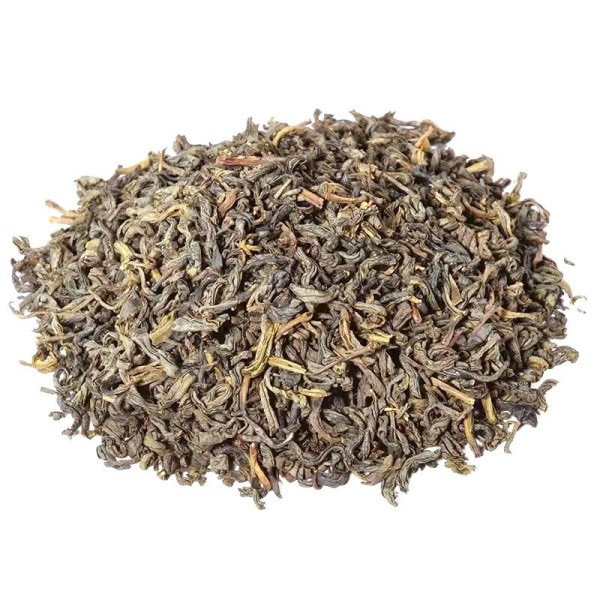
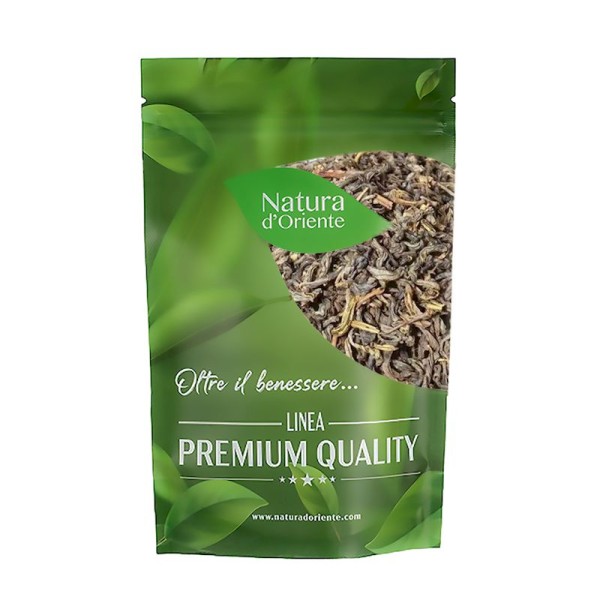
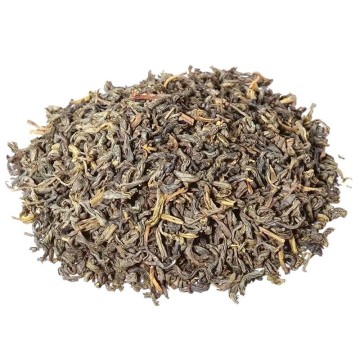
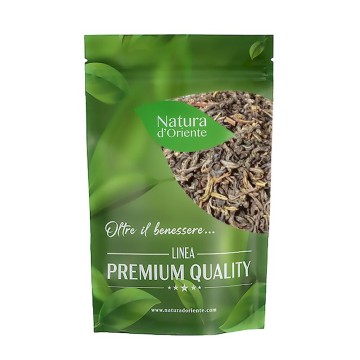
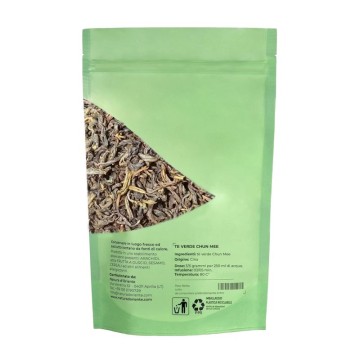
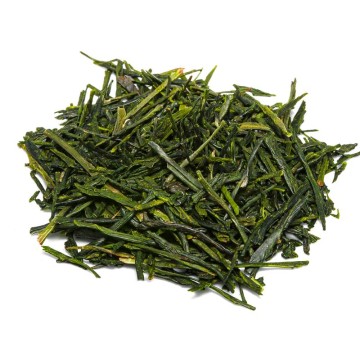
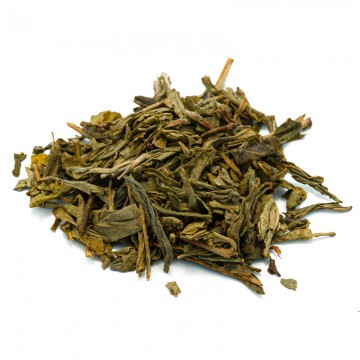
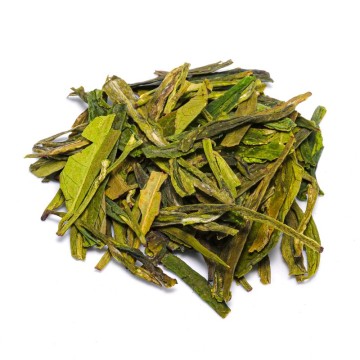
Chun Mee green tea is a traditional Chinese green tea, known for its fresh and slightly acidic taste. The thin, curved leaves resemble eyebrows, hence the name "Chun Mee" which means "precious eyebrows". Grown organically, this tea retains all its natural properties without the use of pesticides or chemicals. It has a sweet and fruity flavor with herbaceous notes and a delicately astringent aftertaste, ideal for those looking for a healthy drink rich in antioxidants.
Chun Mee green tea
This Chinese green tea is renowned for its delicate, slightly tart sweetness, enhanced by pleasant fruity nuances reminiscent of plum. It leaves a refreshing and slightly astringent aftertaste, with a rounded sensation on the palate. It is appreciated by those who prefer a subtle flavor and delicate aroma, which also pair well with meals; a tea with a smooth taste that avoids intense vegetal notes.
Its character is also ideal for those who want to approach green tea for its natural benefits, which can be enjoyed throughout the day as part of a healthy daily routine.
This tea retains all its natural properties, providing the body with various elements beneficial to well-being, such as minerals, antioxidants, amino acids, and other substances like caffeine and chlorophyll. Being a green tea, it contains compounds such as polyphenols—antioxidants that help our body maintain well-being and fight free radicals (which contribute to skin aging and oxidative stress). A class of polyphenols, catechins (EGCG) (epigallocatechin gallate), are known to be beneficial in green tea for promoting proper digestion and stimulating metabolism. It is an excellent natural addition to a balanced diet.
The infusion also provides a dose of natural energy to the body. The caffeine (theine) contained in green tea makes it revitalizing with every sip, especially in the morning. Green tea promotes attention and concentration but allows for a slow release of energy throughout the day—it doesn't have the overly stimulating effect of coffee.
Antioxidants combine with amino acids (theanine and arginine) and minerals (including copper, iron, magnesium, phosphorus, and potassium) to create a healthy, natural beverage for well-being.
Very popular in China, it was initially cultivated in the provinces of Anhui and Jiangxi during the 17th and 17th centuries. Over time, the processing of this green tea has been perfected: the leaves were dried in a characteristic arched shape, which is why it was called "precious eyebrow tea." A characteristic of the leaves is their uniform size and shape; they are tiny but tapered, small, and curved. The jade color produces a golden green tea.
Also widespread in Zhejiang and many other Chinese regions, Chun Mee has become one of the most popular teas, one of the most beloved because of its versatility and excellent flavor as an everyday drink.
This type of tea also comes from the leaves of the evergreen Camellia sinensis plant, a shrub of the Camellia sinensis var. sinensis variety (Chinese tea). In this case, the leaves undergo a very specific production process to obtain Chun Mee green tea. The best young leaves are harvested in spring, when they are richest in nutrients. According to tradition, the Chun Mee teas considered to be of superior quality are those harvested just before Gu Yu (the Grain Rain from April 19th to early May). The highest quality is associated with this date in the Chinese calendar, when, according to an ancient southern Chinese custom, tea prepared with new leaves is drunk to celebrate spring and nature.
The freshly picked leaves are then left to wither to reduce moisture and make them more pliable for processing. Like many Chinese teas, Chun Mee is also cooked using a special pan-frying method, rapidly heating the leaves to prevent oxidation and preserve their delicate flavors.
After cooking, the leaves are rolled into the thin, curved shape typical of Chun Mee and then dried. This process preserves the fresh flavor of this green tea and the antioxidants it contains. With every sip, it will be easier to understand why Chun Mee green tea has been prized for centuries.
Remember that green tea requires moderate brewing temperatures to avoid burning the leaves and making them bitter.
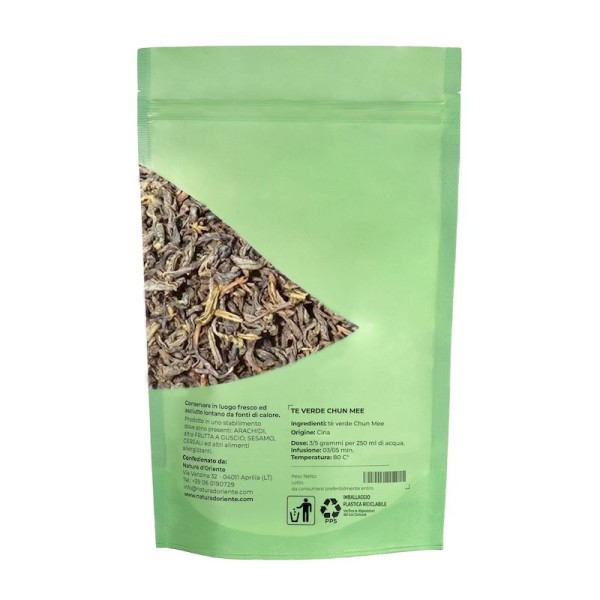
It is prepared by adding about 3-5 grams of Chun Mee tea leaves per cup (250 ml). We recommend water at 75-80°C and a rapid infusion of about 2-3 minutes.
In our online tea and infusion shop Natura d'Oriente, we offer high-quality, fresh Chun Mee green tea. The typical "eyebrow" leaves that capture the essence of tradition are available in 50g, 100g, 150g, or a larger 300g package.
Consuming green tea does not pose any particular risks, but it is important to be aware of some possible side effects if consumed excessively.
It is necessaryIt is essential to respect the recommended doses, avoiding the theine/caffeine contained in tea that can cause agitation, nervousness, and gastrointestinal discomfort.
Furthermore, green tea contains catechins which, in high quantities, could reduce the ability to absorb iron from foods for those suffering from iron deficiency.
Data sheet
Chun Mee green tea is a traditional Chinese green tea, known for its fresh and slightly acidic taste. The thin, curved leaves resemble eyebrows, hence the name "Chun Mee" which means "precious eyebrows". Grown organically, this tea retains all its natural properties without the use of pesticides or chemicals. It has a sweet and fruity flavor with herbaceous notes and a delicately astringent aftertaste, ideal for those looking for a healthy drink rich in antioxidants.
Chun Mee green tea
Also called "Jade Drops". It owes this name to an ancient emperor, Mikoto. It is one of the noblest teas, grown in the shade, with a sweet and robust taste. A highly prized tea because only the most tender, emerald-colored leaves are used, which begin to sprout in the first days of spring. Unlike the other teas, it can be prepared both in hot water but also in cold water by varying the brewing times indicated below.
Mikoto premium green tea
This tea with an intense flavor and enveloping aroma, is enriched with the tones of roasted almonds. Sencha green tea leaves marry the taste of almond and other sweet notes, for a surprising result. An intoxicating and original drink that you can enjoy natural or low in sugar, ideal in any season.
China Sencha green tea, coconut (coconut, coconut oil, sugar), Pai Mu Tan white tea, cinnamon pieces, flavouring, ALMOND (3%).
A deliciously fragrant and beneficial tea. It is nicely said that ginseng heals the "3C", Heart, Brain and Circulation. And it's very true! Its beneficial effects are remarkable and combined with green tea they create an excellent combination.
green tea (90%), ginseng root, flavouring, safflower, freeze-dried passion fruit granules (glucose syrup, concentrated passion fruit juice, apricot pulp, modified starch, thickener: sodium alginate).
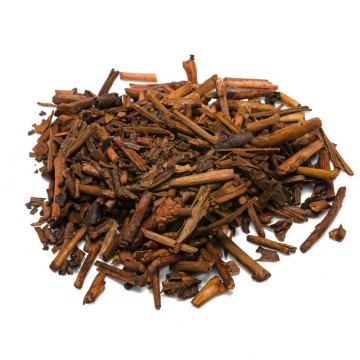
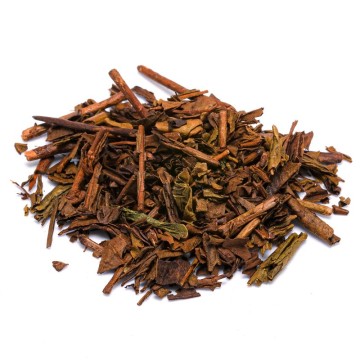
It literally means "Stem Tea" because it is obtained from the twig of the green tea plant aged at least 3 years.
This gives this type of tea the characteristic of not having any theine content to the point of being able to drink all day without any problem and be enjoyed even by elderly people.
In fact, it recalls the grassy flavor of green tea but at the same time also the taste of hazelnuts and chestnuts. To be drunk also during meals as a substitute for water and if desired also with the addition of rice malt or apple juice.
toasted Kukicha leaves
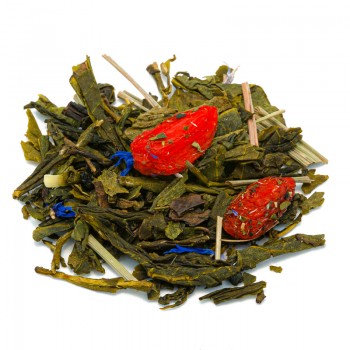
Do you want a thirst-quenching and at the same time beneficial tea? Then all you have to do is drink green tea combined with pomegranate and blueberries, a perfect mix for summer, but not only. Delicious both hot and cold, its typical flavor will be unmistakable, it will be able to match even the most demanding palates. Pomegranate combined with the remarkable properties of green tea and blueberry, gives this drink healthy benefits on the cardiovascular, cardiovascular, diuretic and anti-inflammatory system.
Sencha green tea (80%), pomegranate, goji berries, lemongrass, pomegranate flowers, cornflower flowers, natural flavors, blueberry.
This refreshing Sencha green tea is beneficial and rich in antioxidants, but free from theine. The properties of Sencha help the metabolism work easier, but relax the mind, without the exciting effects of the alkaloid theine on the nervous system and blood pressure. Decaffeinated green tea retains the Sencha taste, with a lighter and thirst-quenching flavor, much appreciated for its enveloping aroma.
Sencha green tea decaffeinated.
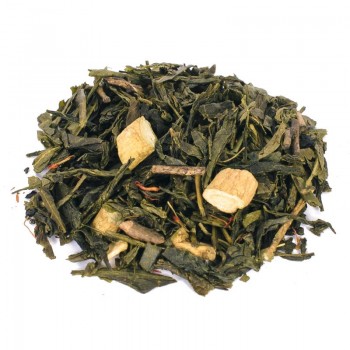
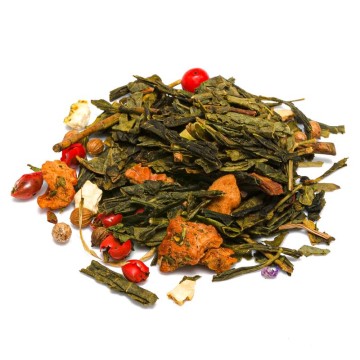
This type of tea gives the palate a sweet but, at the same time, citrus and fresh taste. Its floral and exotic aroma comes from sweet orange and vanilla. Its properties help purification, counteracting water retention. A green tea with orange and vanilla also promotes correct digestion.
China Sencha green tea, apple, cinnamon sticks, orange peel (5%), natural flavouring, pink pepper, coriander seeds, cloves, cardamom, mallow, natural orange flavouring.
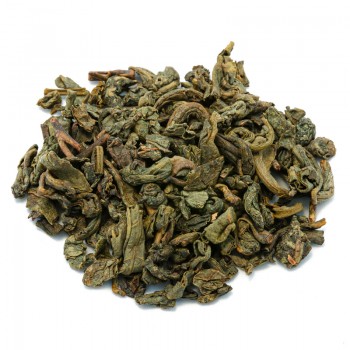
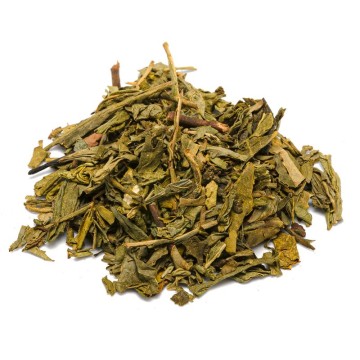
Gunpowder Green Tea is among the best known commercially. The characteristic of this tea are its leaves rolled at the end of the processing, with a dark and silver color. It does not undergo oxidative processes. The leaves of this tea retain the aroma longer than any other green tea, thanks to their compressed rolled shape. It is used by athletes to improve overall endurance due to the fact that it contains more caffeine than other types of tea. On the palate it releases a bitter taste. For refined palates we recommend tasting it with a few fresh mint leaves as it is served in North Africa.
Gunpowder green tea
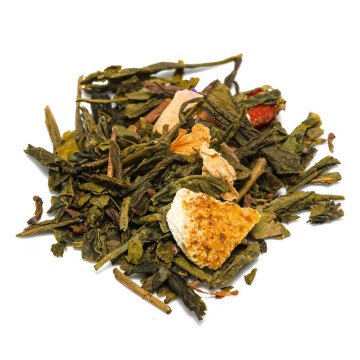
A true mix of taste and well-being. Sweet but at the same time fresh for the union of citrus fruits. In addition to being an excellent tea to drink during the day, it confers beneficial effects on the body. In fact, in addition to the diuretic effect of the same green tea, gojii berries have an anti-aging, antioxidant effect, rich in vitamin C.
China Sencha green tea, goji berries, natural flavouring, orange peel, rose petals, mallow, natural orange flavouring.
Among the most famous Chinese teas, with its emerald color and refined aroma it was also an imperial tea. Grown on the hills, in spring it is harvested and processed by hand over heat sources, which block fermentation. The processing then presses the leaves and makes it unique: a green tea with a chestnut aftertaste, a fresh and delicate flavor.
Green tea Lung Ching
The mint tea drink, with a distinctive flavor and protective and healing action aimed above all, but not only, at the digestive system. The aroma is fresh, clean and slightly spicy. With an intense and pleasant taste to try without fail.
Sencha green tea (85%), green mint.
This tea comes from Japan which contains little theine, and is obtained from the large leaves of the shrub, lightly toasted. The flavor is dense but soft, rich in nuances and for the most refined palates in terms of green tea. Perfect for those who want to try something unique, with purifying and digestive properties.
Green tea Houjicha Tostato
Japan
Guayusa green tea is a traditional drink from the Amazon, obtained from the leaves of the Guayusa plant (Ilex guayusa), native to Ecuador, Colombia and Peru. It is similar to common green tea but has a unique flavor profile, characterized by a fresh, herbaceous and slightly sweet flavor, with a slightly bitter note. It is rich in antioxidants and also contains caffeine, which provides balanced, long-lasting energy without the jittery effects associated with coffee. Guayusa green tea is prized for its stimulating properties and its ability to improve concentration and mood.
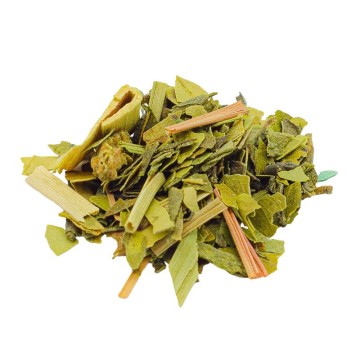
guayusa (52%), China Sencha green tea, lemongrass, natural lemon flavour, Matcha green tea (4%), lemon peel.
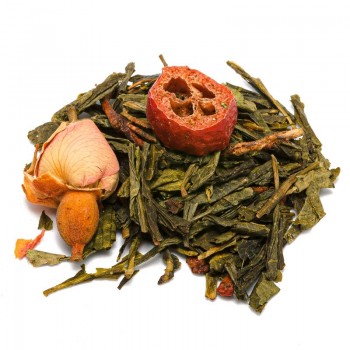
Green tea with floral notes of rosebuds, which give this tea a harmony of delicacy and freshness. The blueberry creates a balance by giving its fruity aroma and making it ideal to drink both hot and cold in the hot summer but also on long winter afternoons.
Sencha green tea (87%), cranberry, rosebuds, natural flavors, raspberry pieces.
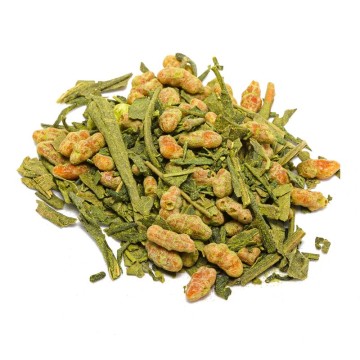
This type of tea is generally made using Bancha tea leaves enriched with puffed rice. Genmaicha with puffed rice is an excellent powdered green tea. It is characterized by a very intense and slightly amarotic taste, particularly rich in vitamins, mineral salts, chlorophyll and carotene.
green tea (50%, toasted rice, matcha powder (2%)
A high quality, full-bodied Indian green tea that exudes a fruity and spicy aroma. It comes from a large leaf tea, grown and processed in the Pussellawa Valley in Sri Lanka (Ceylon). It is part of the rare green teas of the historic island of the Indian Ocean.
Ceylon Melfort green tea
![green tea roasted almond [Natura d'Oriente]](https://www.naturadoriente.com/3366-home_default/green-tea-with-roasted-almonds.jpg)
![Green Tea Ceylon Melfort Special [Natura d'Oriente]](https://www.naturadoriente.com/3378-home_default/-green-tea-ceylon-melfort-special-.jpg)