

NOTICE: POSSIBLE DELAYS IN SHIPMENTS
We would like to inform our valued customers that, due to the protests in Southern Italy, there may be delays in deliveries to Sicily, Puglia, Basilicata, Calabria, Campania, Abruzzo, and Molise. We apologize for any inconvenience.
Reference: 0003
 No reward points for this product.
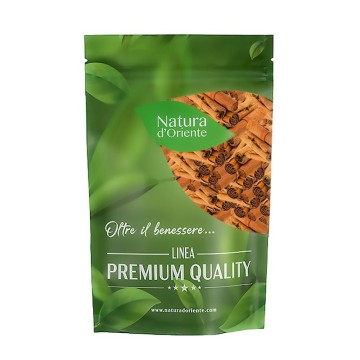
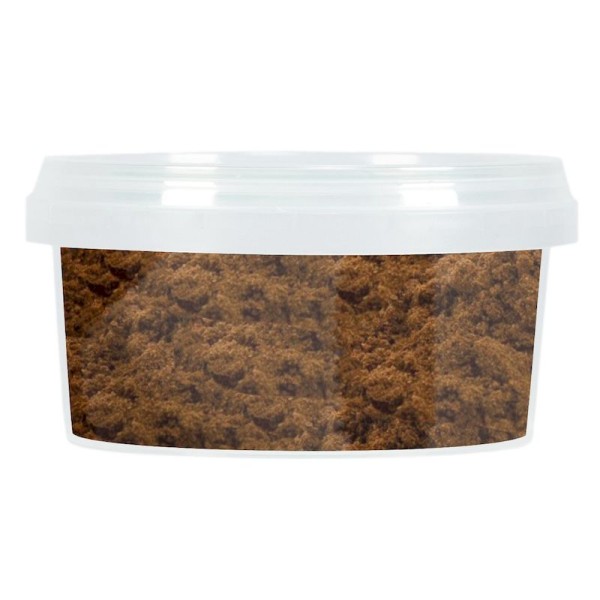
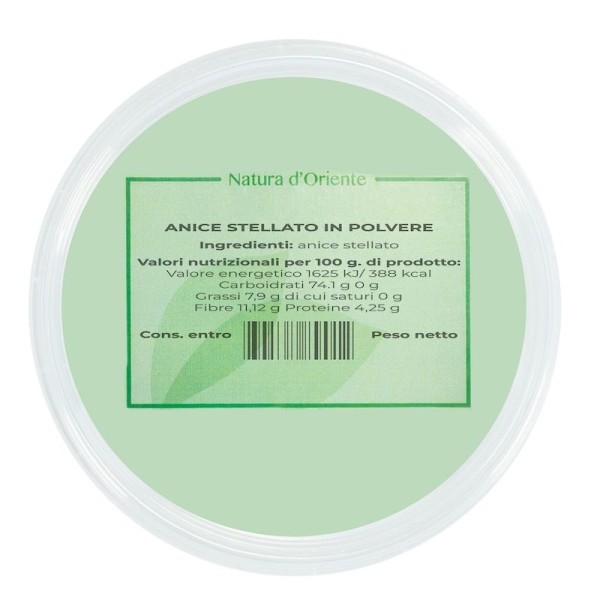
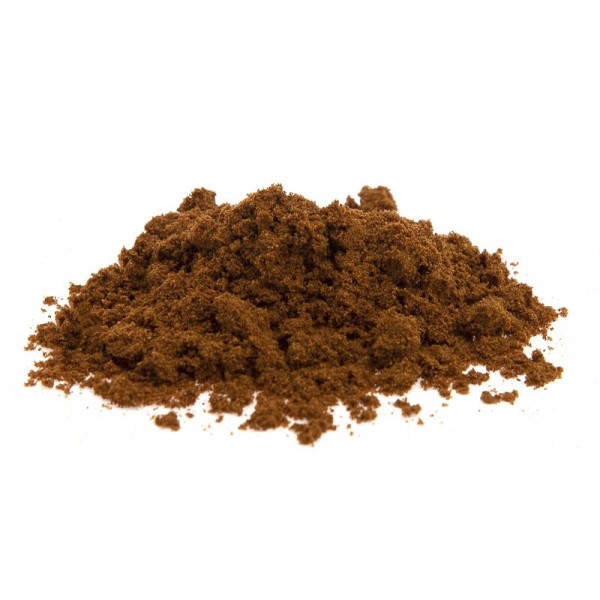
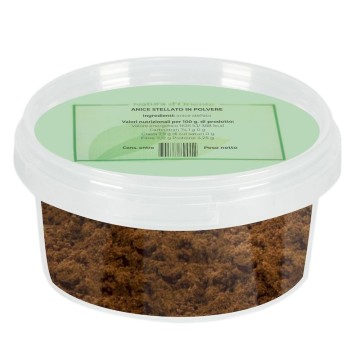
Ground star anise is a real antibiotic from nature. The most interesting active ingredient present in star anise, called anethole, has also shown anti-inflammatory properties. From the extraction of its essential oil it is used in medicine and herbal medicine for the preparation of drugs and natural remedies.
Star anise
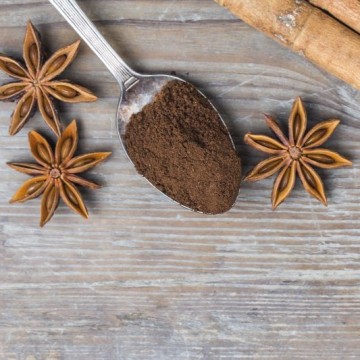
The powder from this type of anise creates an intense aroma in dishes and imparts a warm, sweet, and spicy flavor—particularly suited to desserts.
The flavor of star anise is reminiscent of licorice, with notes similar to fennel seeds and cloves. It is a different spice from green anise, which it may evoke in its flavor and name—in fact, the two spices come from different plants. What the two types of anise have in common is anethole, a compound found in the seeds of both plants, which in the powdered form of star anise is preserved during grinding.
This spice is known for its digestive properties, beneficial for the gastrointestinal tract and its regular motility. The addition of star anise promotes the transit and assimilation of food, protecting the stomach and intestinal bacterial flora. It is also known as a spice that relieves nausea caused by indigestion and stimulates the appetite.
Its carminative properties facilitate the elimination of excess gas from the abdomen and intestines during digestion. For this reason, star anise is known as an ingredient in a "belly-flattening" herbal tea, as well as for its use in cooking.
In herbal tradition, star anise is used in infusions for its diuretic and carminative properties, especially when combined with fennel for a mild laxative effect. Furthermore, the compounds in anise also help combat winter ailments by promoting the fluidity of bronchial secretions for a healthy nose and throat. It acts as an expectorant in cases of excess mucus or respiratory tract irritation.
Historically used against bad breath and for oral health, it releases an excellent flavor on the palate in recipes.
The gastrointestinal cleansing properties of star anise are due to its various antioxidants. The nutritional values of this spice, in fact, include the contribution of flavonoids, polyphenolic compounds, minerals, and other bioactive compounds. Among the main compounds in star anise powder are anethole, linalool, shikimic acid, quercetin, and limonene.
Star anise is a food that usually does not cause any particular side effects, but some people may experience allergic reactions. It is important not to confuse Chinese star anise with the toxic Japanese star anise.
Star anise has been known for centuries in the East, where its plant, Illicium verum, originates: a small evergreen tree native to Vietnam and China. It is part of the Schisandraceae family (formerly Illiciaceae).
Star anise has been used since ancient times both as an aromatic spice in cooking and as a remedy in folk medicine.
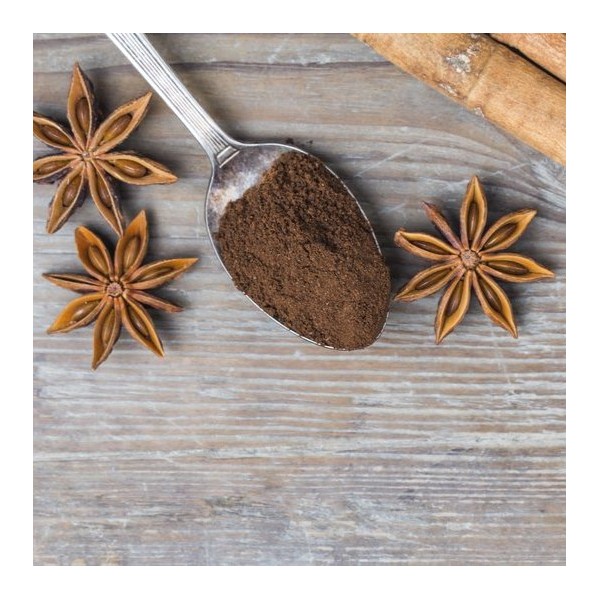
Its name derives from the star-shaped pods, which contain the aromatic seeds. Each seed is found in a single carpel, arranged in a star shape around the center of the pod. When dried, the pods become hard, reddish-brown in color, with lighter, smooth, and shiny seeds. Star anise belongs to the Illiciaceae family, and its seeds are larger than those of green anise.
This spice has traditionally been used in Chinese medicine as a natural remedy to treat nausea, constipation, and digestive problems. Used for respiratory and digestive tract inflammation, star anise was once considered a natural antibiotic in phytotherapy; today, it is the most important source of shikimic acid—used in various anti-flu preparations. The dried and ground seeds are ground into a powder and used in the food industry to flavor sweets and liqueurs, and in the cosmetics industry for perfumes, soaps, creams, and toothpastes. In some Asian regions, anise seeds are roasted on an artisanal basis to obtain a characteristic aroma. Once cooled, they are ground into a grinder.
Star anise arrived in Europe at the end of the 16th century, imported by the English and subsequently highly sought after for its aroma and flavor. Even today, it is mainly grown in Asia and exported worldwide.
The ground version of star anise is highly prized for its unique flavor, similar to licorice, fennel, and green anise. In Asian and Indian cuisine, star anise is a popular ingredient in soups, broths, stews, and broths, and is used in combination with curry leaves. In Indian cuisine, it is part of some types of curry spices and is present in garam masala blends. Star anise is a compound of the Chinese five-spice, adding a warm, sweetish flavor to dishes.
It is also used in
Data sheet
Ground star anise is a real antibiotic from nature. The most interesting active ingredient present in star anise, called anethole, has also shown anti-inflammatory properties. From the extraction of its essential oil it is used in medicine and herbal medicine for the preparation of drugs and natural remedies.
Star anise
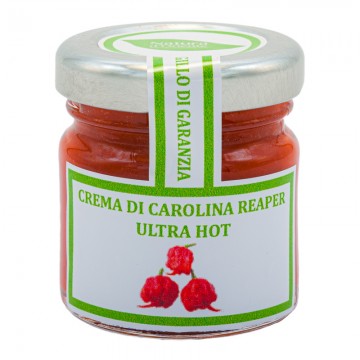
The Carolina Reaper chili cream is perfect for giving an intense and pungent flavor to your recipes. It takes its high spiciness from the new hybrid of the Capsicum Chinense family, which grows in South Carolina and is obtained from the cross between two species of extremely spicy chili peppers, the Pakistani Naga Morich and a Red Habanero. A must-try for those who love a "hot" touch on meat, fish, vegetables and many other dishes.
99% carolina reaper chili pepper, citric acid, extra virgin olive oil.
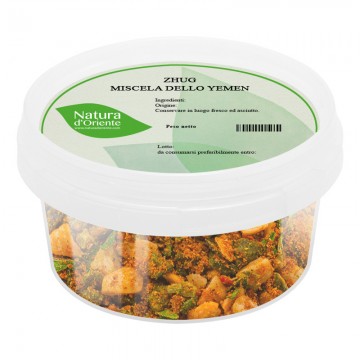
Spicy and aromatic, Zhug is a blend originally from Yemen with a complex and intense flavor. It gives the palate the nuances of various oriental spices, combined with garlic and chilli. A small amount is enough to add a touch of spiciness and color to many dishes of soups, rice, vegetables and meat. It can also be used for marinating, and creates delicious pungent notes in stews and barbecue grills.
green pepper, garlic, cayenne pepper, coriander, cardamom, chili, parsley.
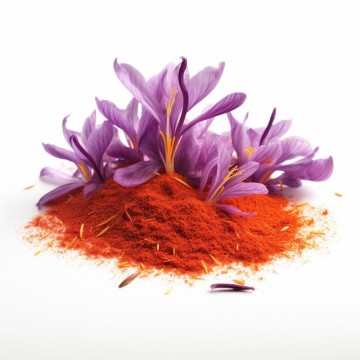
Saffron is a spice widely used in oriental cuisine in the preparation of meat, fish and rice dishes; also popular for flavoring desserts and drinks. The intense and persistent aroma of saffron, and the bitter taste that characterizes it, make it a prized spice, among the most precious and expensive in the world. In Italy, the use of saffron on risotto alla milanese is well known.
Negin saffron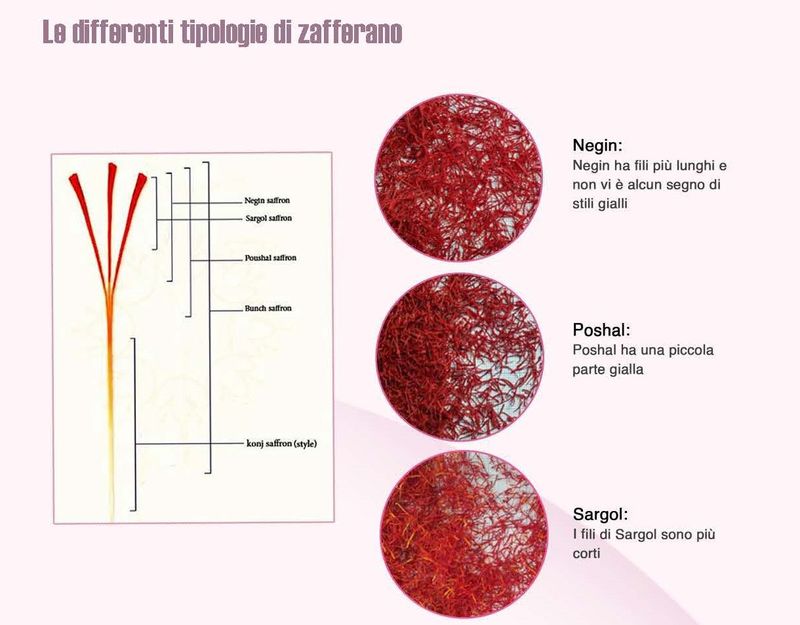
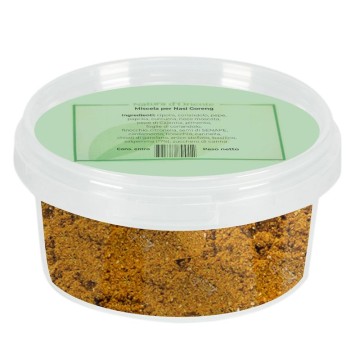
The spice mix for the preparation of Nasi Goreng is perfect for flavoring this typical oriental dish. Also known as Indonesian Fried Rice, Nasi Goreng requires a unique spicy blend, such as the one we offer with intense flavors. A combination that shows nuances between sweet and pungent, with notes of paprika, coriander, cayenne pepper, mustard seeds, anise - as well as other herbs and spices for an alchemy with an incomparable flavor.
onion, coriander, pepper, paprika, garlic, cumin, ginger, turmeric, nutmeg, cayenne pepper, allspice, coriander leaves, lemongrass, MUSTARD seeds, cardamom, fennel, cinnamon, cloves, star anise, basil), coarse salt (17%), cane sugar.
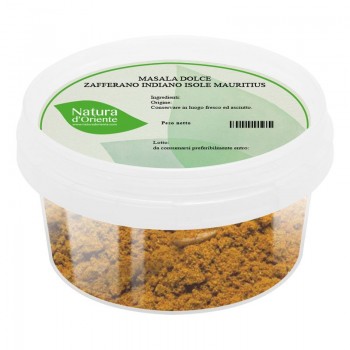
Similar to Indian curry but more delicate, Sweet Masala is a unique mix that brings together the flavors of licorice, mustard, coriander, cumin and other aromatic and intense spices. Perfect for flavoring fish, vegetables and white meats, it is called Indian saffron for its ability to create deisi flavors, with an aftertaste rich in sweetish nuances. Try it with different creative recipes!
Ingredients: turmeric, licorice sticks, mustard, coriander, salt, fenugreek, basil, cumin, celery, chillies, garlic.
Laurel is also called "Laurel" or "Poets' Tree", it has been known for centuries in cooking and herbal medicine. Its dried leaves are used both to flavor dishes and as an infusion. An infusion based on bay leaves helps digestion: it avoids annoying fermentations, fights stomach discomfort and loss of appetite. Very useful in the kitchen for flavoring potatoes, stews and second courses such as white meat stew.
Laurel
Thanks to its intense taste, ground rosemary is suitable to accompany fish, meat and many vegetables. It cannot be missing with roasted potatoes and is often used to brush meat and grilled fish with oil. It has a delicate aroma and can also be used in cooking.
Rosemary
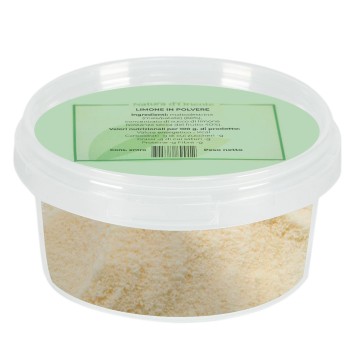
Try an ideal resource for your recipes, which is also a totally natural supplement. Lemon powder maintains the properties of fresh juice, with the convenience of the concentrated version. You can use it in the kitchen in the convenient concentrated version, for immediate use. Give aromas and flavors of lemon in the preparation of desserts, drinks, and savory recipes. Contains beneficial vitamins and mineral salts.
maltodextrin (corn/potatoes) (60%), lemon juice concentrate (dry fruit matter 40%).
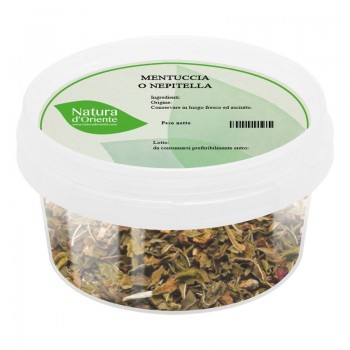
The catmint also called Roman mint, is used and known mainly to flavor the Roman artichokes. Ulite to flavor tomatoes with rice or in vegetables au gratin. It releases a slightly more delicate flavor than peppermint.
mint / catmint
A spice famous for its sweet, delicate, intense and musky flavor and the warm scent that flavors desserts and dishes. Whole Ceylon cinnamon flavors sweets and baked goods, fruit, creams and pastry specialities. The aroma is enhanced by contact with hot drinks such as tea, milk, punch and mulled wine; it becomes special mixed with chocolate. 25g - approximately 3/5 small sticks.
Ceylon cinnamon
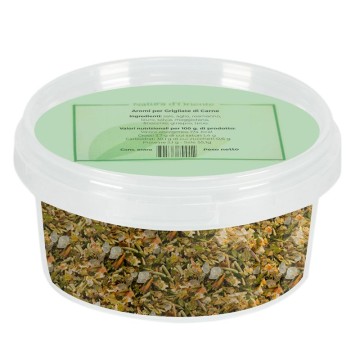
Whether it's an outdoor barbecue or home cooking, choose to flavor and aromatize the meats in an exquisite way. The aromas for grilled meat are inspired by the herbs traditionally used in the kitchen, to enhance the taste and aroma of the food. Here is the mixture to make a truly perfect barbecue.
salt, garlic, rosemary, laurel, sage, marjoram, fennel, juniper, thyme.
Cloves have a very particular scent, penetrating and warm, and give dishes a pungent taste with a sweet and balsamic aftertaste. The intense aroma attenuates with cooking, dominates over other spices but harmonizes the flavor in many sweet and savory dishes. Whole cloves make roasts, broths and stews more aromatic. They facilitate good digestion, perfume the breath and give balsamic virtues to infusions.
cloves
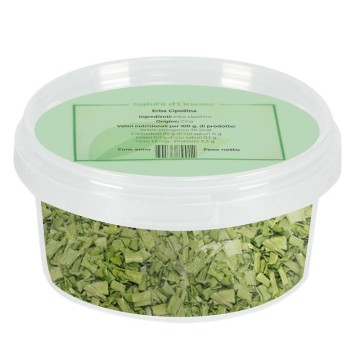
Chives are an aromatic plant. Like the other most used spices, chives have a decidedly particular taste, although lighter and more delicate than that of garlic or onion. It has diuretic, antiseptic, cardiotonic, hypoglycemic, vermifuge properties. Use it directly dried to flavor many dishes like a normal spice.
Chives
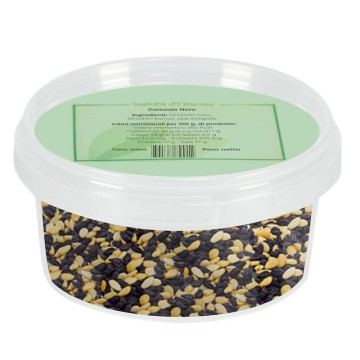
Gomasio is a Japanese condiment made from toasted and chopped sesame, used in cooking to flavor first and second courses, soups, salads and delicious sauces. It represents a beneficial aromatic solution, compared to common table salt: it contains less sodium and provides the body with various nutrients. The version of black gomasio includes dark sesame rich in antioxidants and minerals.
Black SESAME, White SESAME, whole salt.
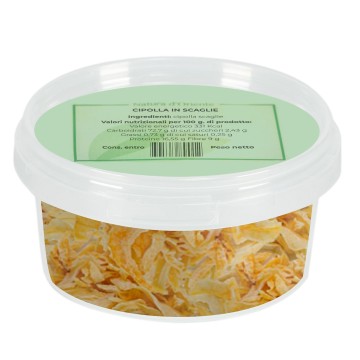
Dried onion flakes make the properties and benefits of the bulb so appreciated in the kitchen available in a practical way. It is ideal for enriching many dishes with a pungent and astringent, slightly sweet taste. Versatile for many recipes of healthy and tasty dishes. It also has antioxidant compounds and minerals useful for well-being, purifying for the body and for the airways.
onion
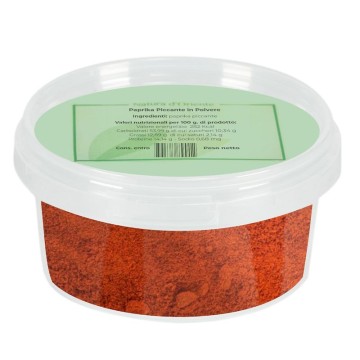
Paprika can be defined as a spice that is good for the body and mind. Studies carried out on this vegetable have given very positive results. It contains multiple substances that offer wide-ranging benefits. The properties of this spice are more than interesting, it offers benefits to the digestive system, has antiseptic properties and more.
spicy paprika