- Out-of-Stock
Reference: 0465
 By buying this product you can collect up to
2
points.
Your cart will total 2
points that can be converted into a voucher of
€0.40.
By buying this product you can collect up to
2
points.
Your cart will total 2
points that can be converted into a voucher of
€0.40.
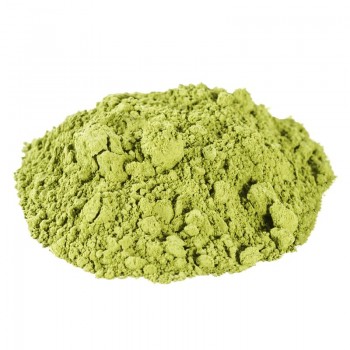
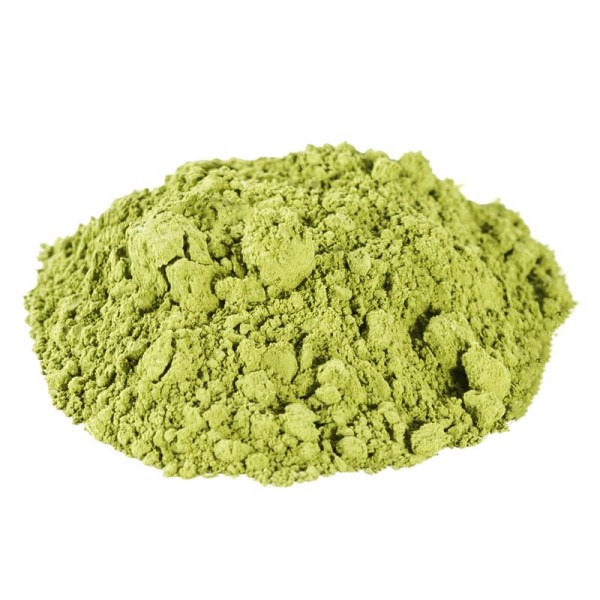
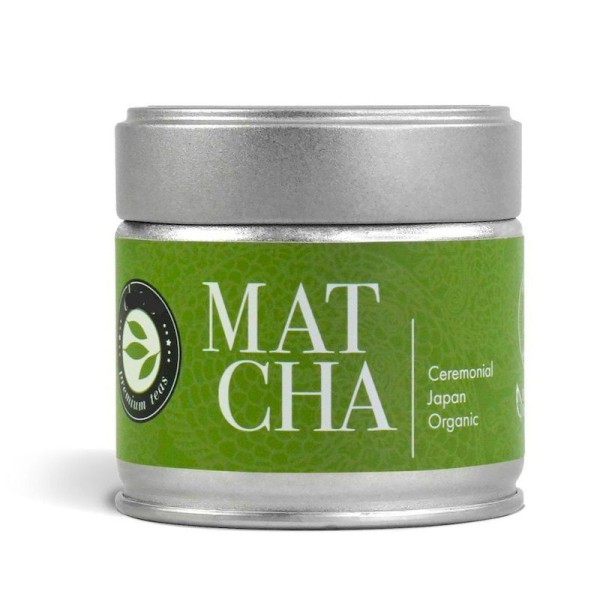
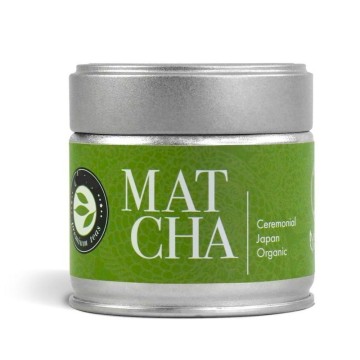
Discover a premium-quality, stone-ground organic Japanese green tea. Perfect for the traditional tea ceremony, it offers a rich, sweet flavor accompanied by a velvety creaminess. Ideal for moments of pure well-being, the fine Ceremonial Premium Matcha enhances the daily rituals of every tea lover.
Ceremonial Premium Green Tea*. *Organic
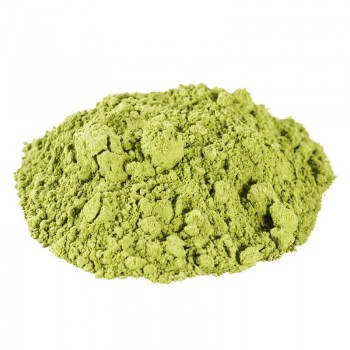
This unique green tea offers a pure and vibrant experience for those who want to immerse themselves in the Japanese tea ceremony. Its finely stone-ground powder is derived from premium tea leaves grown according to organic farming principles. Its bright green color and velvety texture make it a pleasure at every stage, from preparation to tasting. It is a premium Matcha, designed to honor traditional tea rituals in the style of the Land of the Rising Sun. Its smooth flavor delights the palate and invigorates the body, imparting the energy of its nutrients. It can be sipped in moments of tranquility, as a daily ritual, or to welcome guests in a private and refined tea ceremony.
The tea leaves are finely ground, yielding a rich, intense, and extraordinarily smooth umami flavor; vegetal notes and a hint of natural sweetness are added. After tasting, the finish is slightly bitter, fresh, and persistent; pleasantly refreshing and satisfying, paired with its creamy texture.
The tea leaves, ground into powder according to Japanese tradition, retain nutrients and promote well-being. They contain antioxidant polyphenols, catechins, polysaccharides, tannins, amino acids (including L-theanine), and mineral salts (potassium, calcium, and phosphorus). Furthermore, it is rich in antioxidants, which counteract the harmful effects of free radicals on cells and support natural defenses. What are the effects of Matcha tea? Being a green tea, it is known for its digestive benefits. It promotes the health of the intestinal microbiota, thanks to its high concentration of catechins and other antioxidants, which facilitate the growth of beneficial bacteria. It therefore aids proper digestion and regular intestinal transit. Matcha's properties also help drain excess fluids, helping the body combat water retention. Furthermore, its intense flavor provides a feeling of satiety, which is useful for controlling appetite. This, combined with the metabolism-boosting properties of green tea, also promotes weight management. A cup of this powdered green tea also provides energy through the theine/caffeine content. It promotes concentration and attention, with a tonic effect against physical and mental fatigue. Unlike coffee, its energizing effect does not cause excessive stimulation, as green tea gradually releases caffeine, which is also balanced by the relaxing L-theanine content. A cup of organic matcha tea is an alternative for those who want to reduce their coffee consumption without sacrificing its invigorating effect.
The nutritional value of tea also depends on the temperature of the water used for infusions; For best results, it should be warm but not boiling.
To prepare traditional Japanese tea, place 1-2 teaspoons of Matcha powder in a shallow ceremonial bowl. The recommended dose is approximately 1 gram per 100 ml. Add hot water, at a temperature of about 80°C. Beat the tea with a whisk, using a gentle zigzag motion (a W), until it reaches a frothy consistency—the Matcha is typically stirred for about 15-20 seconds.
To prepare ceremonial-grade Matcha, traditional tools are used: the chawan (Matcha bowl) for mixing the powder—it is generally sifted first, as it can easily form lumps and distribute unevenly in the water. The chasen (bamboo whisk) for stirring after adding water, using a specific wrist motion. The chasen's design allows for breaking up any lumps in the Matcha, creating a surface layer of foam in the tea.
As a rule, premium Matcha comes from leaves grown in the shade, on land cultivated according to organic farming principles, to preserve as many beneficial compounds as possible. In the case of this particular premium ceremonial Matcha, high quality is guaranteed. Ceremonial Matcha comes from young tea leaves, laboriously cultivated and processed by a limited number of producers to produce a delicate and unique flavor. For these reasons, ceremonial-grade Matcha is more expensive than classic culinary-grade Matcha—not used in the traditional ritual. The organic version, in particular, is even more valuable, as it comes from cultivation that preserves the properties of the soil, preserving the plant's nutrients and natural ingredients. Organic Matcha green tea is different from other qualities, which are powdered versions of green tea leaves, butThey are grown differently. Where can you buy Ceremonial Matcha? If you want to experience the taste and benefits of this exclusive green tea, you can find it in our online store, Natura d'Oriente. We have selected a premium version for online purchase: Ceremonial Premium Organic Matcha. It is available in a 30g package—it is usually purchased in small quantities. We recommend storing the powder in a dry place to preserve its freshness.
Ceremonial-grade Matcha is a superior-quality tea used for this ancient ritual. Like other teas, it comes from the leaves of the Camellia sinensis plant, which, however, is grown and processed differently to achieve the highest quality. The plants are grown in the shade—covered with bamboo mats—for growth that increases the amount of L-theanine, the amino acid responsible for the rich umami flavor, and the amount of chlorophyll in the leaves, resulting in a bright green color. To obtain the best Matcha, various cultivars and even different shading methods (straw or plastic sheets) can be used.
When the first harvest arrives, the youngest, freshest leaves, small and fine, are selected from the top of the plant. Next, the tea leaves are immediately steamed, dried, and finally finely ground for several hours using stone mortars. This process is adhered to by ceremonial Matcha producers to obtain the perfect powder for the tea ritual.
Matcha was historically used during the tea ceremony, prized by the elite of Japanese society and by Buddhist monks before long days of meditation. Mixing the tea powder with hot water still remains an ancient process, quite different from the traditional infusion of tea leaves in water.
The history of Matcha is an evolution of green tea, already known in Japan after its introduction from China – it was the monks who brought the plant's seeds back and cultivated it in the Kyoto area. The process of covered cultivation dates back to a later period (around the 16th century), when the tea we know today was born. A Japanese tea master introduced several important elements into chanoyu, the tea ceremony. Matcha preparation was complex, so it was perceived as a delicacy reserved for the noble classes. Even today, the highest-quality Matcha, such as premium ceremonial Matcha, comes from Japanese plantations that employ traditional methods. They are born from a tradition passed down from generation to generation, with tea masters constantly honing their art. Today, this tea has spread throughout the world, and the term ceremonial Matcha (ceremonial grade) is used to describe the superior quality, suited to the sacred tea tradition in Japan. It is a name created to honor the role that tea ritual has played in this culture.
This tea has no particular contraindications as long as the quantity consumed is moderate. Excessive tea consumption comes with warnings regarding the effects of caffeine, which can cause agitation, headaches, diarrhea, and difficulty sleeping. For this reason, it's often recommended to drink Matcha green tea during the day, not in the evening. Additionally, the tannins it contains can cause nausea and heartburn when consumed in large quantities.
Data sheet
Specific References
Discover a premium-quality, stone-ground organic Japanese green tea. Perfect for the traditional tea ceremony, it offers a rich, sweet flavor accompanied by a velvety creaminess. Ideal for moments of pure well-being, the fine Ceremonial Premium Matcha enhances the daily rituals of every tea lover.
Ceremonial Premium Green Tea*. *Organic
A quality of Japanese green tea among the most used in the tea ritual, Matcha is known for its healthy properties. It is obtained with a practice that reduces it to a powder rich in beneficial elements: it is detoxifying, antioxidant, stimulates the metabolism and facilitates digestion. In the bio version, you will appreciate more the aroma and delicate taste.
Matcha Beginner's*. *Organic
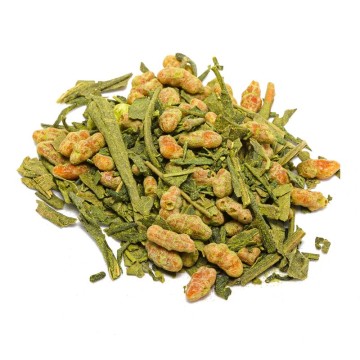
This type of tea is generally made using Bancha tea leaves enriched with puffed rice. Genmaicha with puffed rice is an excellent powdered green tea. It is characterized by a very intense and slightly amarotic taste, particularly rich in vitamins, mineral salts, chlorophyll and carotene.
green tea (50%, toasted rice, matcha powder (2%)