
NOTICE: POSSIBLE DELAYS IN SHIPMENTS
We would like to inform our valued customers that, due to the protests in Southern Italy, there may be delays in deliveries to Sicily, Puglia, Basilicata, Calabria, Campania, Abruzzo, and Molise. We apologize for any inconvenience.
Reference: 0475
 By buying this product you can collect up to
2
points.
Your cart will total 2
points that can be converted into a voucher of
€0.40.
By buying this product you can collect up to
2
points.
Your cart will total 2
points that can be converted into a voucher of
€0.40.
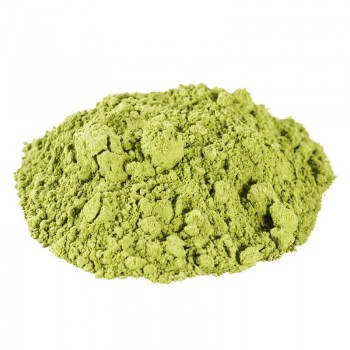
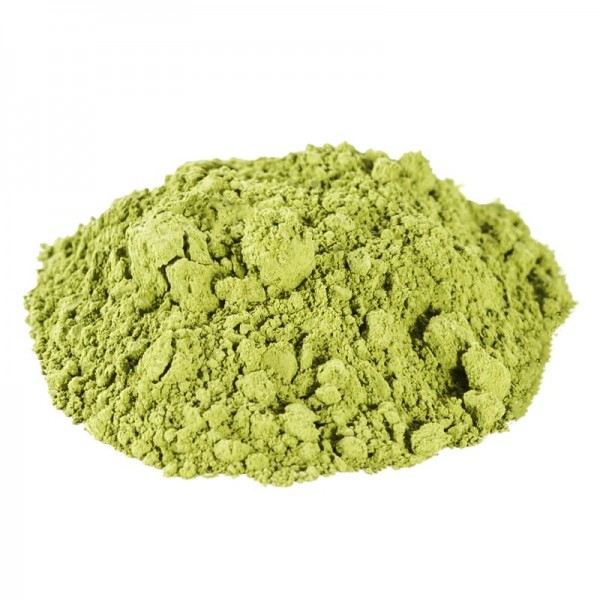
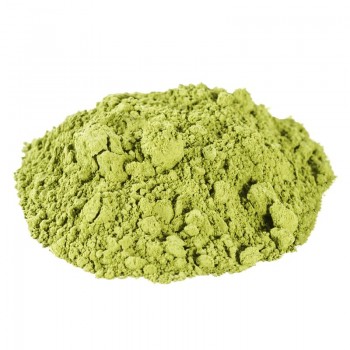
A quality of Japanese green tea among the most used in the tea ritual, Matcha is known for its healthy properties. It is obtained with a practice that reduces it to a powder rich in beneficial elements: it is detoxifying, antioxidant, stimulates the metabolism and facilitates digestion. In the bio version, you will appreciate more the aroma and delicate taste.
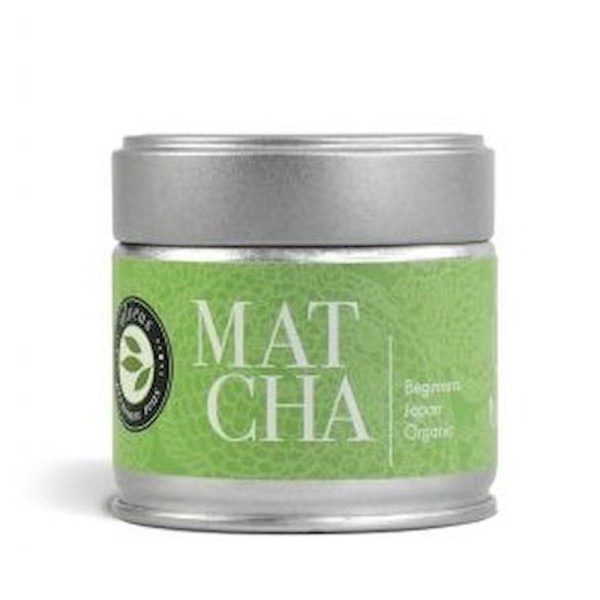
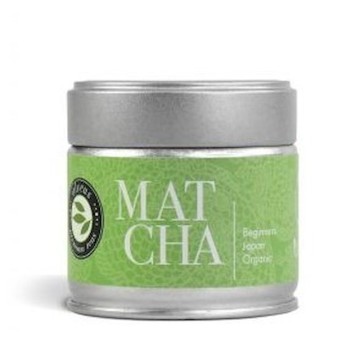
Matcha Beginner's*. *Organic
The custom of using this powdered tea is ancient, as it is the preferred form during tea ceremonies in Japan. From the plant, which is cultivated in a particular way, the leaves were harvested, dried, and ground to obtain a powder that was mixed with hot water according to a specific ritual and using very specific tools. While it was once considered an elitist tea, today Matcha has become more accessible, highly prized for its flavor and beneficial properties.
What does Matcha taste like?
The finely ground leaves impart a variable flavor, initially herbaceous and delicate, slightly bitter, with a sweetish and lingering aftertaste. Izumi Matcha, in particular, has a more intense flavor than other varieties. It is a highly aromatic green tea, with a bright green color due to the high levels of chlorophyll present in the leaves. The benefits of Matcha tea A cup of this Japanese green tea provides our body with the entire powdered leaf, not just an infusion of the leaf itself. Furthermore, thanks to the shaded growing conditions, tea plants produce greater quantities of certain beneficial compounds. Matcha boasts a significant content of antioxidant polyphenols, catechins, polysaccharides, amino acids (including L-theanine), minerals (potassium, calcium, and phosphorus), and vitamin C.
What are the effects of matcha tea?
As a concentrated source of antioxidants, it counteracts the harmful effects of free radicals on cells and strengthens natural defenses. It can improve digestive health, promoting normal intestinal function. Green tea is an excellent source of nutrients such as tannins, flavonoids, and amino acids, which help maintain the balance of the intestinal microbiota. Matcha can help with weight management, both for its diuretic and cleansing effect and for its caffeine content, which stimulates metabolism. When combined with a balanced diet and exercise, matcha can prove to be an excellent ally. As a natural diuretic, green tea helps drain excess fluids from the body, providing detoxifying benefits that are useful in a slimming detox diet. Furthermore, its intense flavor provides a feeling of satiety, which is useful for controlling appetite between meals. This Japanese green tea is also relatively high in caffeine (theine) and L-theanine compared to other teas, as well as containing other methylxanthines such as theobromine and theophylline. Matcha therefore represents physical and mental fatigue, as it naturally stimulates the body to improve energy levels, concentration, and attention. Unlike coffee, matcha has an energizing effect without causing immediate agitation because it releases caffeine gradually; the L-theanine content can have relaxing properties, which balance the caffeine. A cup of organic matcha tea is an excellent alternative for those who want to reduce their coffee consumption while maintaining its invigorating benefits. However, it should be remembered that the nutritional value of the tea will depend on the temperature of the water used; For best results, use hot, but not boiling, water.
To prepare traditional tea, sift 1-2 teaspoons of matcha powder into a shallow bowl (e.g., a bowl), using 1 gram per 100 ml. Add hot water at a temperature of 70-80°C.
Stir the tea with a whisk, using a gentle zigzag motion (a sort of W), until it becomes frothy—matcha is generally whisked for about 20-25 seconds.
For ritual preparation, you can use this grade of Matcha Beginners (for beginners), using traditional tools. It's necessary to mix the powder in the chawan (matcha bowl), sifting it first, as it tends to clump easily and doesn't distribute evenly in the water.
After adding the water, stir with the chasen (a bamboo whisk for matcha). The chasen has a special design that breaks up clumps of powder and creates a layer of foam on the surface of the tea. It's used with a specific wrist motion, which can also be reproduced with a normal whisk.
Sweetening is not recommended, but if the taste is too bitter, you can add a few drops of honey.
What is matcha used for today? It can also be enjoyed in alternative, modern versions. Served cold, mixed with milk, or in smoothies, it pairs well with sweet fruits, especially bananas, which counteract the tea's bitterness. In the kitchen, Izumi matcha tea can be used as an ingredient in refined and flavorful recipes, excellent in desserts enhanced with tea powder, such as cookies, pancakes, chocolates, muffins, and cakes.
Buying matcha can be confusing, as it varies greatly in quality. The most significant distinction is between ceremonial and culinary-grade matcha. Ceremonial-grade matcha is made from younger tea leaves and imparts a delicate flavor, which is why it's slightly more expensive. Among the more refined culinary versions is Izumi (which means "spring" in Japanese) "Beginners" grade matcha, designed for beginners. It's intended for traditional tea preparation and also works well as a powdered ingredient in haute cuisine recipes. When specifying the properties of organic matcha green tea, we're referring to cultivation using natural methods and fertilizers, approved by organic farming. This method better preserves the nutrients and active ingredients from the plant and soil. It's important to be aware of this "originality" of organic matcha, as some products sometimes sold as such may be similar but are actually powdered versions of green tea leaves, grown differently.
If you want to experience the taste and benefits of this organically grown green tea, you can purchase it on our Natura d'Oriente eShop. We've selected the best matcha for online purchase, with the Izumi grade recommended for those trying it for the first time, known as "beginners." It's available in 30g packs; we recommend purchasing this powder in small quantities and storing it in a dry place to preserve its freshness.
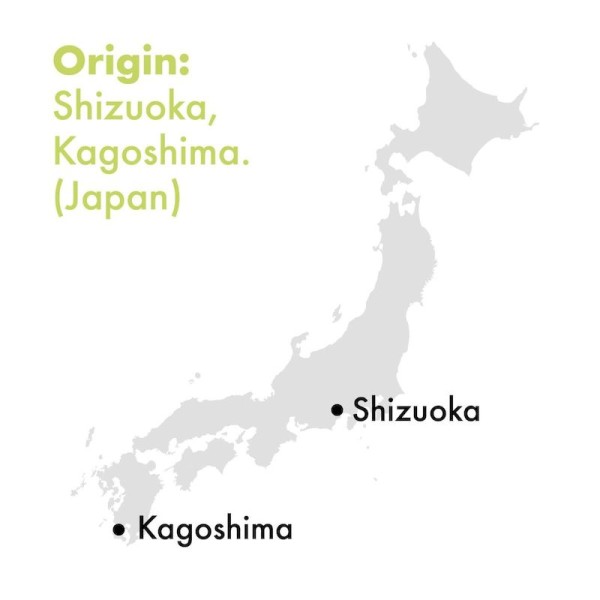
This green tea is obtained from the powdered leaves of the Camellia sinensis plant. Although it comes from the same plant as other green teas, Camellia sinensis is grown differently to make matcha, resulting in a unique nutritional profile. During growth, the plants are covered with bamboo mats to increase the amount of chlorophyll in the leaves and determine their characteristic bright green color. Different cultivars (Gokou, Yabukita, etc.), shading methods, and harvest time also determine the quality of the leaves. Furthermore, some matcha comes from plants that are over 30 years old.
Organic matcha tea certainly retains its natural, high-quality nutritional values. During harvest, the youngest, freshest shoots of shade-grown "tencha" leaves are taken. These are then steamed to preserve their color and nutrients—steaming prevents oxidation. The leaves are then rapidly cooled and steam-dried using a special kiln. This process removes moisture and preserves the quality, while simultaneously creating a new flavor.
Next, the best tencha leaves are selected, and the stems are removed from the remaining ones. The leaves are ground in tea leaf mills to obtain a fine powder that will be used for food.
Preparing matcha has been a very important ritual in the Japanese tea ceremony for centuries. The resulting powder was mixed with hot water, a process that is older and very different from the traditional infusion of tea leaves in water.
Already in China during the Tang Dynasty (7th-10th centuries), steamed tea leaves were ground into powder and boiled in water. From then on, this preparation method became increasingly popular and became widespread in Buddhist monasteries. This powdering practice was abandoned by an imperial ban in the 14th century; since then, it has fallen into disuse, becoming widespread in Japan since the 9th century. Here, the evolution of matcha led it to be appreciated not only in Zen Buddhist monasteries but also by the elite of Japanese society.
This tea is safe to consume, as long as you don't drink too much. Generally, considering how many times a day you can drink matcha tea, two cups a day are recommended. Excessive tea consumption has contraindications related to the effects of caffeine, which can manifest as nervousness or agitation, headaches, and diarrhea. For this reason, it's often recommended to drink matcha green tea during the day, rather than in the evening, to avoid difficulty falling asleep. Furthermore, tannins can cause nausea and heartburn if consumed in large quantities. When should you not drink matcha? Those with iron deficiency should be careful about the amount and consumption of green tea, as the catechins it contains may interfere with iron absorption. It is advisable to drink tea before meals.
A quality of Japanese green tea among the most used in the tea ritual, Matcha is known for its healthy properties. It is obtained with a practice that reduces it to a powder rich in beneficial elements: it is detoxifying, antioxidant, stimulates the metabolism and facilitates digestion. In the bio version, you will appreciate more the aroma and delicate taste.
Matcha Beginner's*. *Organic
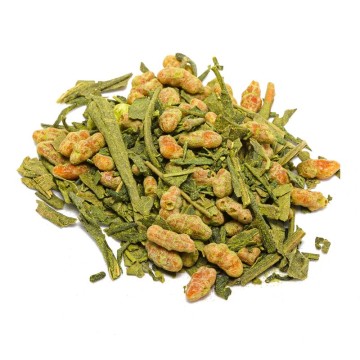
This type of tea is generally made using Bancha tea leaves enriched with puffed rice. Genmaicha with puffed rice is an excellent powdered green tea. It is characterized by a very intense and slightly amarotic taste, particularly rich in vitamins, mineral salts, chlorophyll and carotene.
green tea (50%, toasted rice, matcha powder (2%)
Discover a premium-quality, stone-ground organic Japanese green tea. Perfect for the traditional tea ceremony, it offers a rich, sweet flavor accompanied by a velvety creaminess. Ideal for moments of pure well-being, the fine Ceremonial Premium Matcha enhances the daily rituals of every tea lover.
Ceremonial Premium Green Tea*. *Organic