

Reference: 0183
 No reward points for this product.
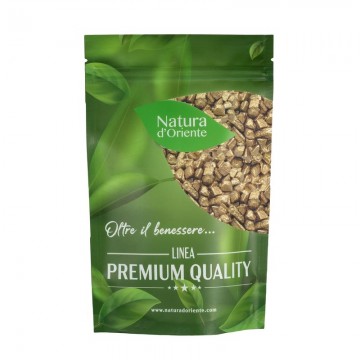
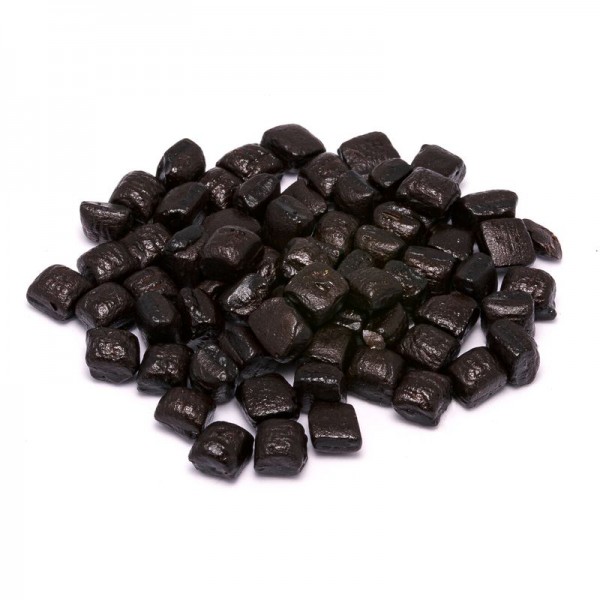
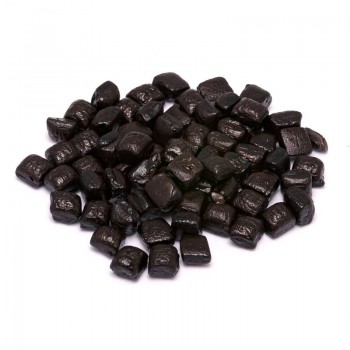
Pure licorice with an intense and natural flavor, enriched with fresh citrus notes of lemon and orange. A perfect balance of sweetness, character, and Mediterranean freshness, with no added sugar.
licorice, flavorings
Licorice essence is obtained from the rhizome, that is, a part of the plant stem that has swollen and acts as a nutrient reserve and which is found underground just above the roots, of a legume plant called Glycyrrhiza glabra. In the confectionery industry, licorice is widely used as a sweetener. In many countries, licorice-based desserts are consumed in which it is not pure but mixed with other ingredients. In Italy, France, and Spain, however, the classic pure licorice logs are also widespread.
As we have said, licorice is naturally sweet, it has a sweetening power greater than sucrose, but it also has a particular flavor with a slightly bitter and acidic aftertaste that is not necessarily to everyone's liking. This is probably also why it is common practice to produce pure licorice with the aroma corrected by additional flavorings.
In the case of this product, the added flavoring is citrus. Considering that the production of licorice in Italy boasts a long tradition in two specific areas, one in Abruzzo and above all the other in Calabria (where a licorice museum was also founded), and how the cultivation of citrus fruits is part of the tradition of the regions of southern Italy, primarily Sicily and Calabria, it was destiny that someone experimented in the kitchen by combining licorice and citrus fruits in some recipes, so citrus-flavored licorice isn't a discovery or a bold experiment; rather, it's a classic. A fun fact about licorice: it was considered a plant with beneficial properties both by the Chinese in their first herbals and by Ancient Greek medicine. It's currently loved almost everywhere in the world, but not in Japan, probably because it's associated with the idea of being a medicine rather than a sweet.
Regarding the properties of licorice, some have actually been confirmed by modern science (primarily its disinfectant and invigorating properties), which has also confirmed the only contraindication: if you're prone to hypertension, perhaps you'd be better off not consuming licorice, especially if it's pure and therefore richer in glycyrrhizin, its main active ingredient. Or at least avoid excessive use, as it can raise blood pressure. The underlying physiological mechanism has also been identified: taking large daily doses of glycyrrhizin can cause blood potassium levels to plummet and sodium levels to rise, which can lead to arrhythmia and hypertension.
This is a must, and in fact, some manufacturers place a warning on the packaging. However, the truth is that, according to a study conducted in the US, you would need to consume 57 grams of licorice a day for two weeks to experience certain problems. Although the purest licorice consumed in Italy is certainly richer in glycyrrhizin than the gummy licorice Americans are fond of, it's unlikely anyone in Italy would consume it so excessively.
Data sheet
Specific References
Pure licorice with an intense and natural flavor, enriched with fresh citrus notes of lemon and orange. A perfect balance of sweetness, character, and Mediterranean freshness, with no added sugar.
licorice, flavorings
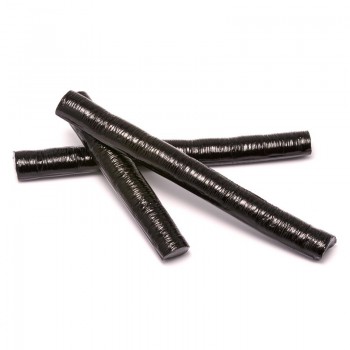
A licorice stick with an intense and authentic flavor. Licorice takes center stage with its strong and persistent flavor, while starch contributes to the firm texture and molasses adds a natural sweet note that balances the aromatic profile. Ideal for slow enjoyment, it is designed for those who appreciate traditional licorice and authentic flavors, without excess. A timeless classic, perfect as a natural snack or a small daily pleasure.
A pure and hard licorice stick for lovers of strong licorice. Individually wrapped.
Approximately 62 pieces equal a full 1 kg box
Licorice, starch, molasses.
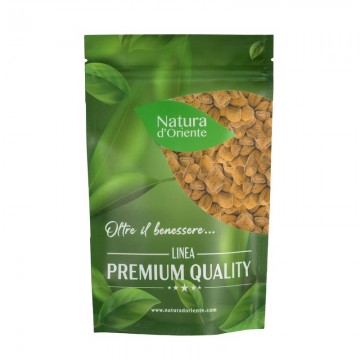
Pure licorice grains dusted with cinnamon powder, no added sugar. For those who love the taste of natural licorice, this delicious variation with a hint of spice is worth trying, very aromatic and pleasant on the palate.
licorice, cinnamon powder.
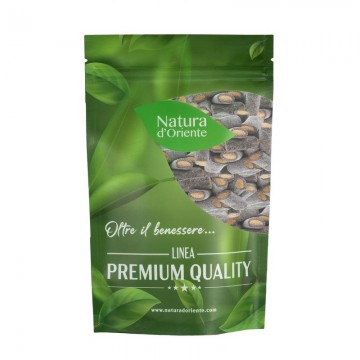
These soft chalks are perfect for those who love the sweet-savory contrast, leaving a truly pleasant sensation on the palate, a touch of extra saltiness that enhances the classic aromatic flavor of licorice.
Sugar, WHEAT flour, molasses, glucose syrup, vegetable fats (shea, coconut), ammonium chloride, licorice extract, gelatin, salt, E422, colors E150c, E153.
Clove Licorice is characterized by an intense and enveloping flavor, where the natural and slightly bitter sweetness of licorice combines with the warm, spicy, and balsamic notes of cloves. The aroma is aromatic and persistent, with hints of medicinal herbs and oriental spices. On the palate, it offers a balance of sweetness, freshness, and a slight pungency, leaving a pleasant and lasting sensation.
licorice, sugar, natural flavors.
Pure raw whole licorice is a specialty with an intense and authentic flavor, made with real licorice extract. Full-bodied, aromatic, and persistent, it is ideal for lovers of natural pure licorice and the strong flavors of tradition.
licorice, flavorings.
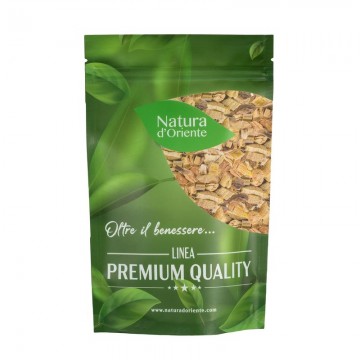
Pure crushed liquorice is a natural product obtained from the dried root of the liquorice plant (Glycyrrhiza glabra), subsequently crushed into small pieces. It has a dark brown color and an intense bittersweet flavour. Used in cooking for desserts, drinks and herbal teas, and in herbal medicine for its digestive, anti-inflammatory and expectorant properties, it offers a characteristic and distinctive aroma. It is appreciated for its authenticity and versatility of use.
licorice


Terracattu is a classic, almost vintage, product: pure licorice with the addition of very little sugar. The cattu or catecu gives this licorice a unique color, enhanced by the gold of the natural coloring.
licorice, sugar, catecu, coloring E172 External.
The famous “Sassolini dello Ionio” by Amarelli are also known as Assabesi. Classic confetti with a thin layer of sugar and a tasty heart of licorice. Their shape and color are reminiscent of the pebbles typical of the splendid Calabrian beaches.
sugar, gum arabic, glucose syrup, licorice, starches (corn and rice), natural anise and vanilla flavors, colorings: E153, plain caramel, technological adjuvants: beeswax, vegetable oils.
These particular licorice sweets are specialties in the form of very thin, stringy and fun sweetish spaghetti. Delicious gummy licorice sweets, perfect as a snack to be savored slowly, at any time. Spaghetti enrich the surprises on the dessert tables and can become a nice gift. They also provide the balsamic properties of licorice, and are easily digested.
molasses, WHEAT FLOUR, sugar, glucose, licorice (3%), flavourings, edible gelatin, coating agent: carnauba wax.
Pure Ginger and Lemon Licorice combines the intense flavor of natural licorice with the citrus freshness of lemon and the spicy notes of ginger. An aromatic licorice with a lively and original flavor, perfect for those who love fresh and persistent flavors.
Licorice, potato dextrin, ground ginger, natural lemon flavor, rice starch.
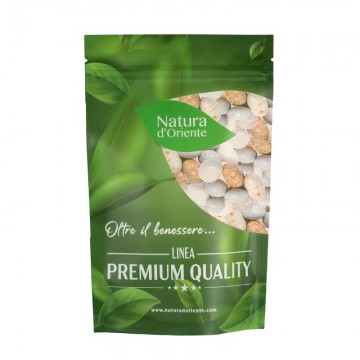
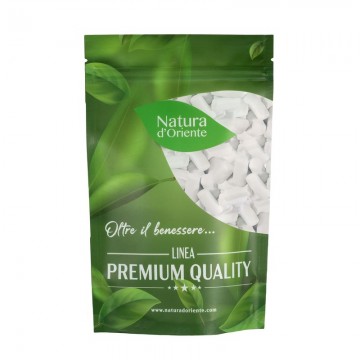
White Licorice Chalks are a type of licorice-based candy. These chalks feature a white outer coating, usually made of sugar, enclosing a black licorice core. The flavor combination creates a contrast between the sweetness of the outer layer and the intense, slightly bitter taste of the licorice. The texture is crunchy on the outside and soft on the inside. They are highly prized by licorice lovers for their unique flavor and the pleasant sensory experience they offer.
Licorice extract, WHEAT flour, sugar, glucose syrup, fructose, vegetable flavorings, thickener, edible gelatin, coloring E150d - salt, flavorings.
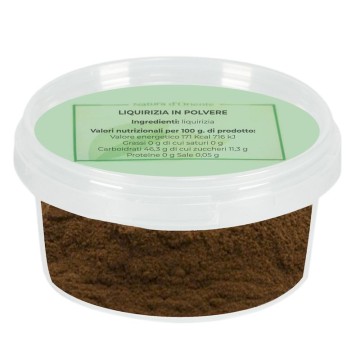
Licorice with an intense aroma and bold flavor, obtained from selecting the finest licorice roots. Fine and aromatic, it is ideal for enriching desserts, creams, ice creams, drinks, and gourmet preparations with its characteristic bittersweet and persistent notes. Perfect for those who want to add an original and refined touch to their recipes, enhancing flavors and aromas with all the authenticity of real licorice.
licorice
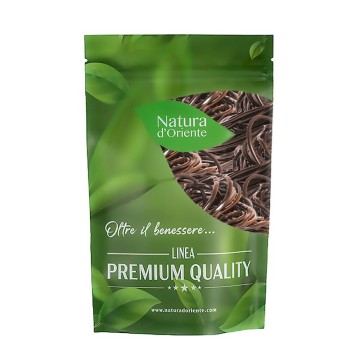
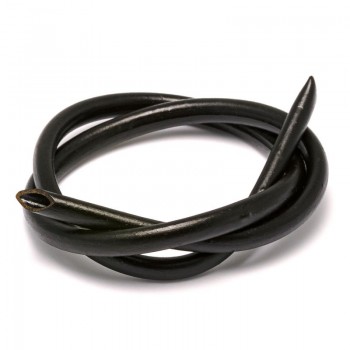
The so-called shoelaces also known as telephone wires, are truly a classic format. Each shoelace is 30 cm long, with a soft and rubbery consistency accompanied by that unmistakable taste of licorice that we loved so much as children (...and that we still appreciate).
molasses, WHEAT flour, sugar, glucose, licorice (3%), flavourings, edible gelatine, carnauba wax.
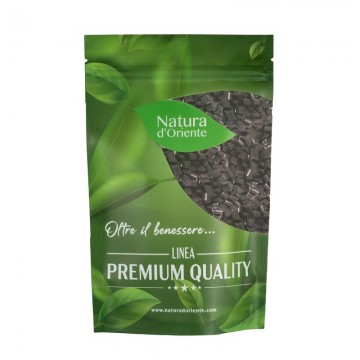
Delicious black licorice chalks with an intense and enveloping flavor, perfect for lovers of real licorice. Soft, aromatic, and ideal for enjoying at any time of day. One leads to another.
Sugar, molasses, WHEAT flour, glucose syrup, licorice extract, fully hydrogenated vegetable fat (coconut), thickener (gum arabic), ammonium chloride, humectant (glycerol, sorbitol), colors: E153-E150D, edible gelatin, flavorings, salt, vegetable oils (coconut, palm), glazing agent: beeswax.
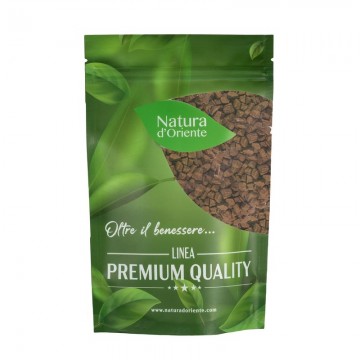
A mix of flavor and energy, if you love the taste of pure licorice and ginger, you can't miss this delicious variation. Raw licorice grains with no added sugar, flavored with ginger powder.
licorice, ginger powder
Licorice root can be used alone for an infusion or associated with other components or herbal teas. It has several properties, useful as a digestive, expectorant and anti-inflammatory. Excellent natural remedy in the treatment of cough, sore throat and gastric acidity.
licorice root