- New

NOTICE: POSSIBLE DELAYS IN SHIPMENTS
We would like to inform our valued customers that, due to the protests in Southern Italy, there may be delays in deliveries to Sicily, Puglia, Basilicata, Calabria, Campania, Abruzzo, and Molise. We apologize for any inconvenience.
Reference: 2202
 No reward points for this product.
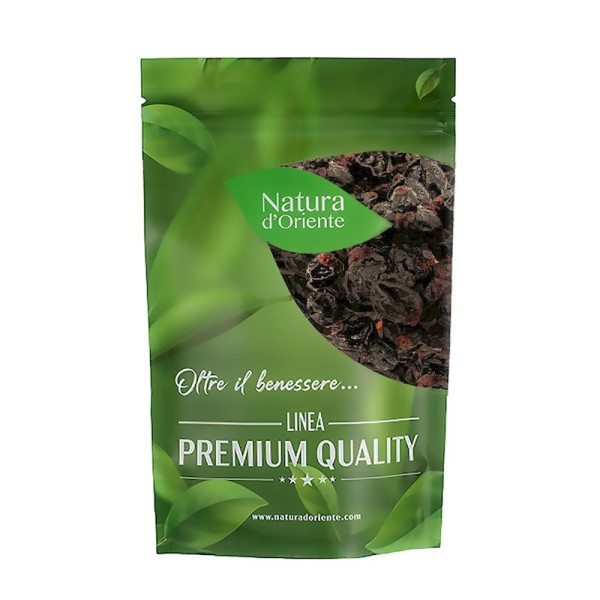
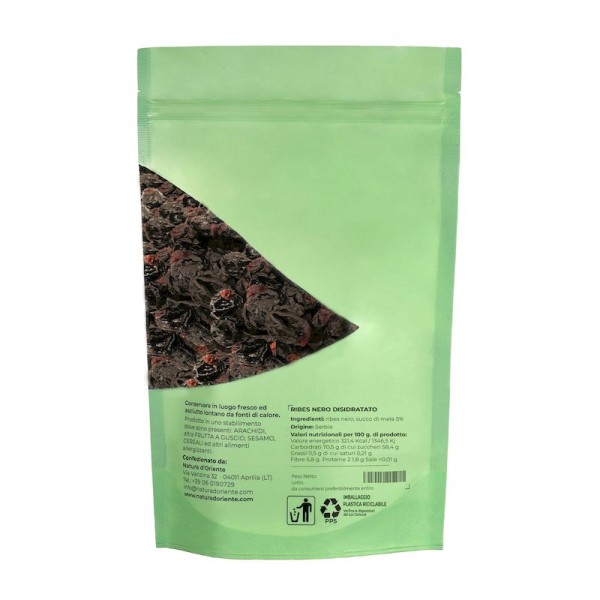
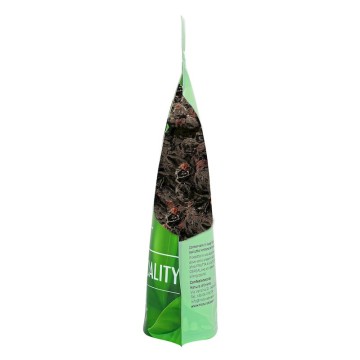
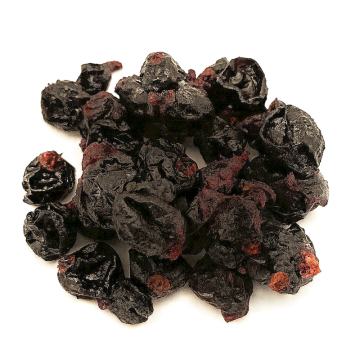
Blackcurrant is a small fruit with an intense, slightly tart flavor. Rich in vitamin C and natural antioxidants, it is appreciated for its contribution to the well-being of the nose and throat, as well as its support for the body's natural defenses. Perfect as a healthy and tasty snack, it flavors salads and desserts, lending a pleasant fruity and aromatic note.
Blackcurrant, apple juice 5%
Dehydrated fruit is increasingly popular as a morning or afternoon snack and as a nutritious ingredient in many recipes. Among the fruits with nutritional properties, blackcurrant is excellent for its richness in antioxidants, vitamins, and minerals. Perfect for completing a balanced diet, the blackcurrant variety contains higher levels of nutrients. Dehydrated blackcurrant can become a resource for those seeking the benefits of fruit available in their most concentrated form. Dehydration, in fact, by removing water, concentrates the fruit's nutrients and preserves them over time. What are blackcurrants good for? This berry provides the body with several nutrients that are valuable for our well-being. Its dark color is due to a high content of anthocyanins, compounds associated with well-being due to their antioxidant action. These natural colorants help the body counteract the development of free radicals – which can cause aging and possible cell damage. The antioxidant value of blackcurrant is very high, linked to the significant presence of anthocyanins.
The presence of anthocyanins in dried blackcurrants can also promote microcirculation function. These bioactive compounds increase peripheral blood flow, help protect blood vessels, and strengthen capillaries.
Among the beneficial nutrients of dried blackcurrants are concentrated nutrients such as fiber, minerals, vitamins, and natural sugars. Along with anthocyanins, the vitamin C in blackcurrants contributes to the well-being of the body and its natural defenses. This fruit also contains other B vitamins, vitamin A, and minerals such as iron, phosphorus, magnesium, and manganese.
For these reasons, blackcurrants are sometimes included in the diet of athletes, as part of a balanced diet, promoting physical performance and recovery with their nutrients. Another historically known benefit of blackcurrants is their ability to promote nose and throat health; In folk remedies, berries and leaves were used in herbal teas and syrups to relieve nasal and throat congestion, thanks to their vitamin C, anthocyanins, and other polyphenols.
It's delicious, both as a snack and as part of other preparations. Its long shelf life makes it a useful on-the-go snack, convenient for work breaks, travel, and excursions. Among the various dried fruit options, blackcurrants are a suitable snack to stave off hunger, their intense flavor filling them. They're a valuable ingredient in herbal teas and infusions. These berries can be added to breakfast cereals or muesli, on yogurt, and in smoothies. Alternatively, blackcurrants are excellent in salads and nut mixes; paired with raw almonds or cheese, they help supplement sugars, fats, and proteins. To understand how to eat blackcurrants and use them in recipes, you need to appreciate their versatile, sweet-tart flavor. They add a deep, fruity note to baked goods and grain-based dishes—for an original touch.
In pastry making, they create a distinctive aromatic note in baked goods and desserts; exquisite in muffins or to enrich cakes with dried fruit—they should be rehydrated in water, apple juice, or some liqueur to prevent dryness.
Dried blackcurrants are used to flavor sauces and sweet-and-sour compotes for white meats. In some savory recipes, they are also used in savory pilaf rice, to give a different touch to bread, and can be used as a garnish for meats and cheeses. It is used as an ingredient in energy bars and becomes a natural substitute for sweeteners, reducing the need for sugar in recipes.
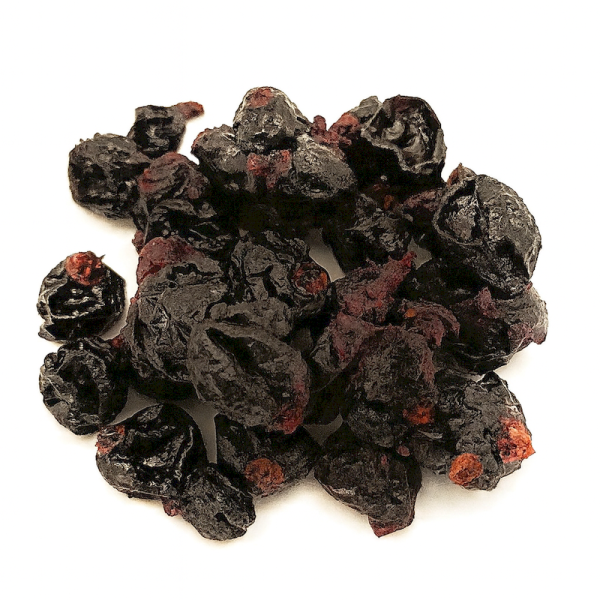
The dried version is very popular, as fresh berries tend to spoil quickly. However, blackcurrants are not always of high quality; it is important to check that the skin is shiny and the color is a deep purple. Furthermore, it is best if they do not contain preservatives, additives, or added sugar. In our online store, Natura d'Oriente, you can find a version enriched only with apple juice—a natural ingredient. Dried blackcurrants for sale online are available in varying weights: 100 g, 250 g, 500 g, or 1 kg—for stocking up on dried fruit.
There are few risks associated with blackcurrants, but it is advisable not to consume them in excessive quantities. Weight for weight, dehydrated fruit has a higher concentration of sugars and calories than dried fruit. Furthermore, excessive consumption of blackcurrants can cause digestive side effects. If you have any questions, consult your doctor.doctor.
The blackcurrant is a fruit native to the more temperate zones of northern Europe and northern Asia. Over time, the plant was also cultivated in many regions of North America, although its cultivation was prohibited for a long time – it hosted a fungus that was dangerous for white pine trees and threatened the timber industry. The berries have historically been known to be edible, eaten directly or made into jams, sauces, juices, and jellies. Furthermore, blackcurrants are used to synthesize dark purple pigments.
The blackcurrant is a dark purple berry that grows on woody Ribes nigrum shrubs. This medium-sized plant is grown in Europe primarily for its fruit. It grows well in well-drained, organically rich soil, best in full sun or partial shade, protected from winter winds and frost. It grows wild in the mountainous areas of the Alps, in woods, along streams, and in hedgerows. Ribes nigrum produces yellow-green flowers that bloom in spring and give way to long, hanging clusters of berries in June-July. The green leaves are aromatic when crushed and are used in herbal medicine. The fruits resemble very dark blueberries and are more intense in color than the red and white varieties. The flavor of the ripe berries is intense and sweet, while the unripe ones are more tart, and each berry contains a small, edible seed.
Data sheet
Blackcurrant is a small fruit with an intense, slightly tart flavor. Rich in vitamin C and natural antioxidants, it is appreciated for its contribution to the well-being of the nose and throat, as well as its support for the body's natural defenses. Perfect as a healthy and tasty snack, it flavors salads and desserts, lending a pleasant fruity and aromatic note.
Blackcurrant, apple juice 5%
Ginger is rich in antioxidants, anti-inflammatory, antibacterial and antiviral agents. It is rich in vitamins A, B6, K useful for relieving the sense of nausea, migraine, indigestion, heartburn and stomach pain. Furthermore, being rich in vitamin B, it accelerates metabolism by decreasing the sense of hunger.
ginger, may contain traces of preservative E220 (Max 0.01%) fructose.
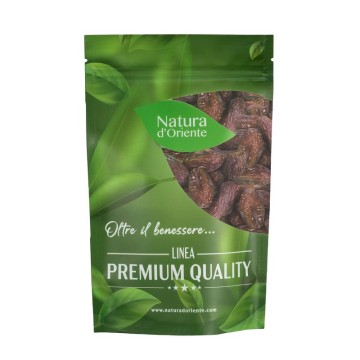
Exotic fruit par excellence, Medjoul dates have properties and benefits including antioxidant effects, excellent for fighting the cellular aging process. In addition, Medjoul dates are the best-selling on the market for their delicious flavor, enveloping also thanks to their softness.
Dates medjoul
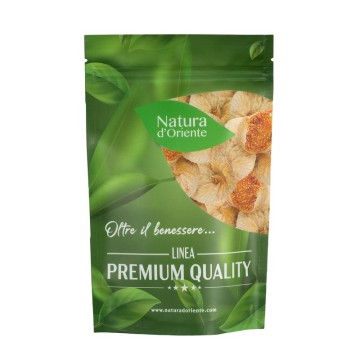
Dehydrated figs are a food with a high energy content, and the high amount of dietary fiber also makes them useful for maintaining normal intestinal functions. They are also rich in mineral salts, potassium, iron and magnesium, and in vitamins C and A, and among the dried fruit they stand out for their easy digestibility.
Figs, E220.
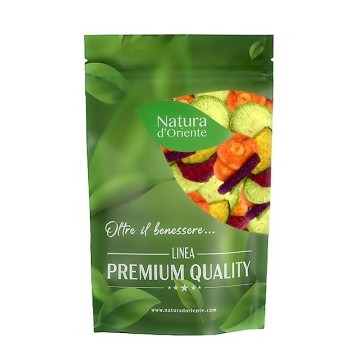
We are getting used to vegetable chips. The interest of these new vegetable snacks predominates more and more to try the particular flavor in contexts that meet the favor of Italians, responding to the growing demand for healthy but tasty alternatives.
green radish, carrots, sweet potato, sunflower oil, pumpkin, beetroot, purple sweet potato, taro, maltose, green beans, salt.
Ginger is known for use as a spice in cooking and also for the well-being of the body. It is a food rich in vitamins and antioxidants, used for centuries to relieve the sense of nausea, migraines, indigestion, colds and stomach pain. Also, being tasty it can decrease the sense of hunger as a snack in pieces, in this dehydrated version without sugar.
ginger, may contain traces of preservative E220 (Max 0.01%) fructose.
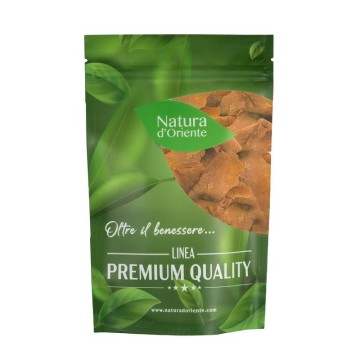
Carob brings beneficial effects to our organism, linked above all to its content of vitamins and mineral salts. In particular, carobs are a good source of vitamin E and vitamin K, as well as containing calcium, zinc, potassium and phosphorus. Furthermore, for the diet, they are precious foods: carobs are rich in fiber!
carob 
The fruit best known for its richness in vitamin C, in its natural version and without added sugars. Discover the convenience of dried orange, without dyes or preservatives. It maintains its protective properties for the body and the immune system. Out of season oranges are excellent as snacks, or as ingredients for delicious sweet dishes. Among the sweet specialties to be tasted dry, dehydrated oranges are appreciated for the concentration of many nutrients, including minerals and beneficial fibers.
orange, apple juice 8%.
Dehydrated aloe is a type of snack similar to dehydrated fruit, extremely beneficial. Its virtues make it a highly sought after product. Also ideal for seasoning dishes and desserts, it is a healthy and satiating snack.
aloe vera (66.79%), sugar (32%), E330 (1.20%)
Papaya is a wonderful tropical fruit with a characteristic shape and exquisite flavor. It is grown in a large variety of regions around the world. Papaya in the dehydrated version is also appreciated for its nutritional properties and the benefits recognized throughout history, for digestion and well-being due to the high presence of vitamin C and antioxidants.
papaya, sugar, E330, E220.
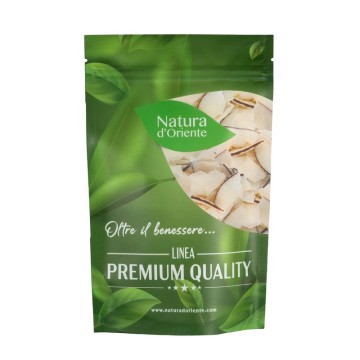
Coconut is a delicious and beneficial food, rich in nutrients. It gives our body fibers, carbohydrates, sugars and lipids, in the version of natural dehydrated coconut, and without added sugars. Among the benefits of coconut there is also the supply of vitamins E, C and B. which make it effective in treating ailments such as muscle weakness, excessive nervousness and urinary problems. A beneficial, natural and appetizing snack.
coconut
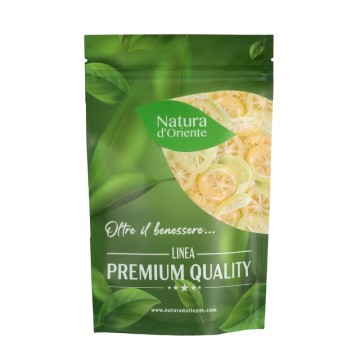
lemon is a beneficial fruit of which, for millennia, the pulp and juice of the fruit have been consumed, with a high content of vitamin C and a moderate antiseptic power, conferred by citric acid. The peel is known for providing an essential oil, used as a decongestant for the respiratory tract, and to aid digestion of food.
lemon, citric acid, cane sugar, E223 (0.03%)
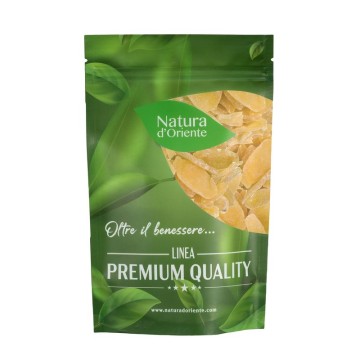
Ginger is a perennial herb of the Zingiberaceae family. Widely used as a snack, even in the version of dehydrated ginger with powdered sugar, it has some digestive properties that make it useful for the stomach, for the purification of the body, to prevent nausea and improve the well-being of the throat.
ginger (67.99%), cane sugar (32%), E330 (0.01%).
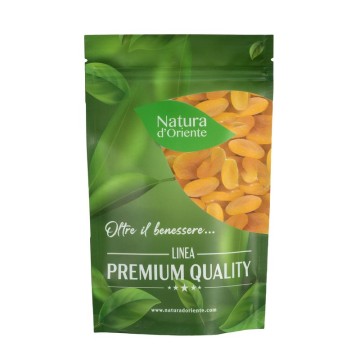
Dried apricots contain many nutrients useful to our body, they are very rich in potassium, magnesium, calcium, iron and other mineral salts. Despite drying, these apricots are able to maintain the same properties and benefits of fresh food.
Apricots, E220.
Dehydrated and natural papaya, without the addition of other sugars, is an excellent idea as a healthy, delicious snack with an exquisite flavor. It is a tropical fruit rich in antioxidants and significant quantities of vitamins C, B, A, E and K, useful for our body. Papaya is known for its nutritional value, also thanks to the good doses of calcium, iron, potassium, magnesium, zinc, copper, manganese and phosphorus.
papaya, fructosio.
Dried pepper chips are a crunchy and colorful vegetable snack, ideal for those looking for a tasty and original alternative to traditional snacks. Made with yellow, red, and green peppers, these chips release all the authentic flavor of the vegetable, thanks to a manufacturing process that preserves its taste and properties.
Perfect as a hunger-busting snack, to enhance appetizers, starters, and creative dishes, pepper chips are appreciated for their high fiber content and balanced nutritional profile.
Yellow pepper, red pepper, green pepper, palm oil, dextrin, salt.
The beneficial properties of dehydrated hibiscus are many, and already in ancient times this plant was used as an antiseptic. It has astringent and emollient characteristics, excellent for correct biliary transit, and for digestive, diuretic, purgative and tonic well-being. In the dehydrated hibiscus version, it is tasty as a morning snack or afternoon snack, to break hunger.
hibiscus, E220, E330, sugar, E129.