- Out-of-Stock
NOTICE: POSSIBLE DELAYS IN SHIPMENTS
We would like to inform our valued customers that, due to the protests in Southern Italy, there may be delays in deliveries to Sicily, Puglia, Basilicata, Calabria, Campania, Abruzzo, and Molise. We apologize for any inconvenience.
Reference: 0734
 No reward points for this product.
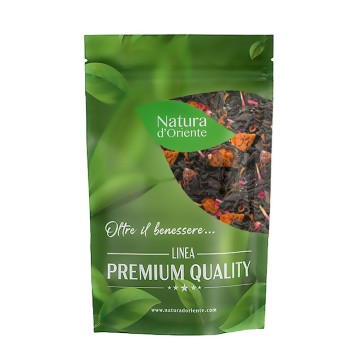
To the already known properties of black tea must be added those of these delicious small red fruits, raspberries: rich in minerals and vitamin C, they are also friends of the diet for their diuretic properties, excellent for diabetics and for those with bone problems.
Scented and acidulous at the same time it can be consumed both hot and cold.
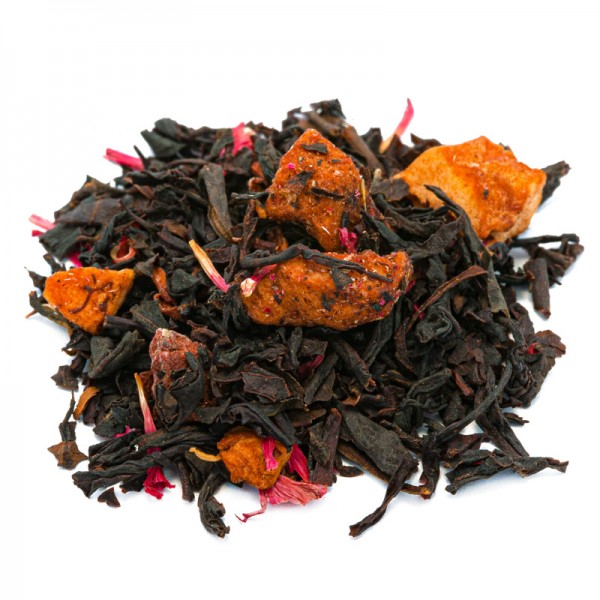
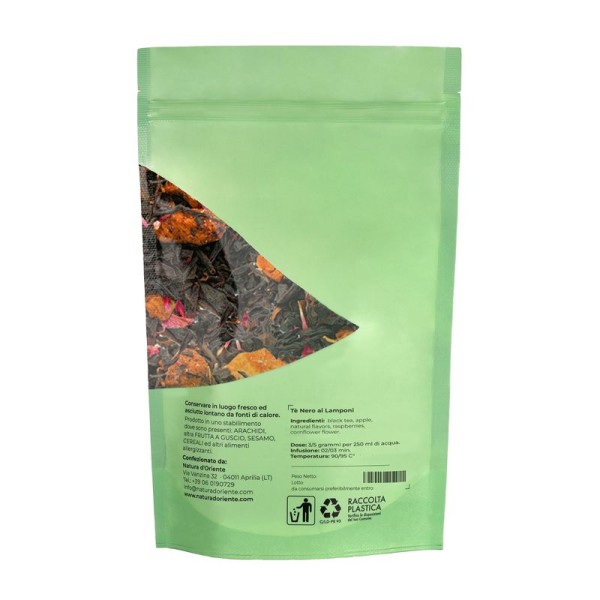
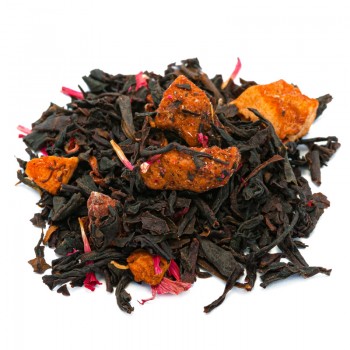
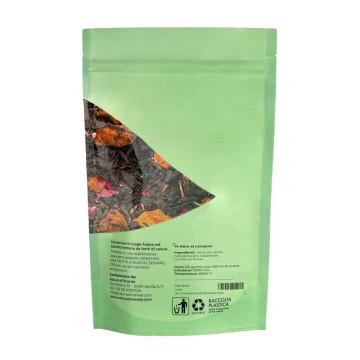
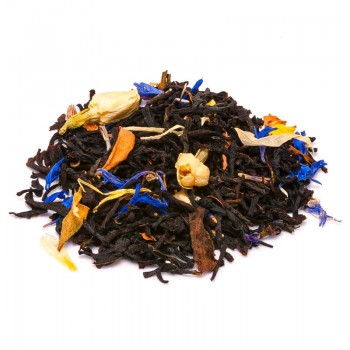
black tea (65%), apple, natural flavors, raspberries, cornflower flower.
This blend was born as an aromatic journey through different traditions. As you taste the tea leaves, released into the water, the fruity and floral scents spread - the delicacy of cornflower and the characteristic natural aroma of raspberry. Each sip gives consistency thanks to the pieces of raspberry and apple, ideal both for a fresh summer cup and for a delicious aroma that warms in the winter. This composition of black tea with raspberries creates a harmony between the sweet flavors and the sour touch of fruit, respecting the taste of each ingredient. It is perfect for tea lovers who are looking for an original and beneficial novelty, with a full flavor and antioxidant properties.
It is one of the most consumed drinks in the world, with a strong flavor and a high content of beneficial compounds useful for our well-being. Black tea leaves contain various antioxidant polyphenols - flavonoids, catechins, theaflavins, thearubigins, flavanols - which help our body fight aging. Their consumption can help eliminate free radicals, which cause damage to our cells. This tea infusion also improves digestion and normal intestinal function, with a property that helps against imbalances in the intestinal immune system, due to the digestive process. The raspberries in the infusion also promote regular food absorption, together with the apple, and help the well-being of the throat.
Black tea promotes the drainage of excess body fluids, counteracting water retention: a draining function also increased by the presence of cornflower flowers. This effect can promote body weight balance, together with the other qualities of black tea: it helps manage cholesterol and blood sugar levels, it is a drink that can contribute to the feeling of satiety and sweetness, without taking sweeteners.
Due to its high content of theine (caffeine), black tea provides useful qualities as a tonic to combat physical and mental fatigue. It contains more theine than other teas and makes available the amino acid L-theanine, which helps improve concentration and attention. In this black tea with dried raspberries, the qualities of the fruit help our well-being through the supply of other antioxidants, vitamins, minerals such as magnesium, potassium, iron.
It provides nutrients with some B vitamins and minerals (fluoride, calcium, zinc, iron, magnesium and potassium). In addition to tannins and amino acids, including L-theanine, it provides theine - an alkaloid similar to caffeine. How to make black tea with raspberries infusion? To prepare this tea, simply measure about 3-5 grams of the tea mixture for each cup (250 ml) of hot water (90/95 °C). Leave to infuse, covered, for about 3-5 minutes. Then, separate the leaves from the infusion and drink – sweetened or not according to taste. You can fully enjoy the flavor and aroma of black tea with raspberries, both hot and cold.
The origin of black tea is linked to that of tea, the drink known for about 5,000 years, the second most consumed by humans after water. In particular, black tea is more widespread throughout the world, compared to other types of infusions always derived from the Camellia sinensis plant: green tea, oolong and white tea.
The difference lies in the way the leaves are processed. To obtain the version of black tea, they are subjected to a greater oxidation process than other varieties. Tea leaves can be processed in many different ways, each of which can vary to determine certain characteristics; generally speaking, the black tea production process uses four stages to transform fresh, green leaves into the dark, full-bodied brew we know.
Freshly picked tea leaves are left to wither for 10-14 hours, depending on the environmental conditions. This stage was traditionally done outdoors using air and sunlight, although today tea producers do it indoors to control air and moisture loss - essential for creating the desired flavor. The second stage involves rolling the leaves (about 60 minutes), which starts the oxidation process - responsible for the color and flavor of black tea. By opening the cell walls of the leaves through rolling and exposure to air, oxygen penetrates and activates oxidation; enzymes, essential oils and compounds are released, triggering the right chemical reactions. The leaves are left to rest for up to 8 hours of oxidation, in which they change from pale green to a dark golden colour.to. After being left to react with air for a sufficient time, the leaves are placed in a dryer for 20-25 minutes. The heat stops (80-90 °C) the oxidation process and determines the desired quality. Oxidation exposes the leaf cells to oxygen, giving black tea particular benefits and organoleptic properties. It displays a perfectly balanced strong flavor, astringent rather than bitter; with flavor harmonies that can evoke cocoa, rose and even hazelnuts or candy. It gives a stronger and more engaging aroma, compared to less oxidized varieties. In addition, thanks to oxidation, black tea leaves give more theine when infused in hot water. Traditionally, this dark tea originates from India and Sri Lanka – countries from which it is exported all over the world. Black tea can be consumed hot or cooled (iced tea) and is an excellent base for preparing famous tea blends, such as Morning Tea or Earl Grey, which are very popular. Furthermore, the leaves can be mixed with spices, herbs or other essences.
Despite the differences, the shrub of origin is the same: all teas come from the leaves of Camellia sinensis, belonging to the Theaceae family of flowering plants. A species formed by small evergreen trees, cultivated specifically based on the territory and the objectives to be achieved (to improve the taste and nutritional profile of the leaves). There are two subspecies of Camellia sinensis: Camellia sinensis sinensis, called China, and Camellia sinensis assamica, called Assam. In any case, it is a woody plant native to Southeast Asia, now cultivated throughout the world, especially in tropical and subtropical climates - being a plant sensitive to frost. It could reach 5 to 11 meters in height but, usually, it is pruned to a height of about 1.2 m to facilitate harvesting. It is shaded for about 3 weeks before harvest, when the first shoots appear (they are the richest in nutritious compounds such as caffeine and chlorophyll). Black tea with raspberries also includes these fruits, which come from the Rubus idaeus plant, a fruit shrub of the Rosaceae family. Known for centuries in the wild both in Asia and Europe, the plant gives its red fruits, used in the past together with leaves, flowers and roots both for food and for herbal treatments.
When consuming black tea, some effects must be kept in mind, due to the theine (caffeine) content. Taking tea in excessive quantities can be harmful, causing agitation, palpitations, insomnia, nausea and stomach pain. For this reason, it is useful to keep the intake at moderate levels. Caution is advised in doses for pregnant and breastfeeding women.
To the already known properties of black tea must be added those of these delicious small red fruits, raspberries: rich in minerals and vitamin C, they are also friends of the diet for their diuretic properties, excellent for diabetics and for those with bone problems.
Scented and acidulous at the same time it can be consumed both hot and cold.
black tea (65%), apple, natural flavors, raspberries, cornflower flower.
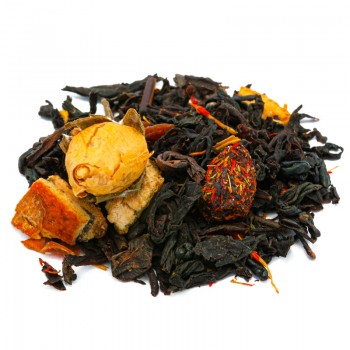
Black Tea with Goji Berries and Pomegranate is a delicious blend that combines the robustness of black tea with the antioxidant and nourishing properties of goji berries and pomegranate. The orange zest gives a pleasant freshness, while the carrot flakes add a sweet and crunchy touch. Yellow rosebuds provide a delicate floral aroma and safflower completes the mix with its vibrant color. A drink full of flavor and benefits for overall well-being.
black tea (71%), orange peel, goji berries, flavouring, carrot flakes, yellow rose buds, safflower.
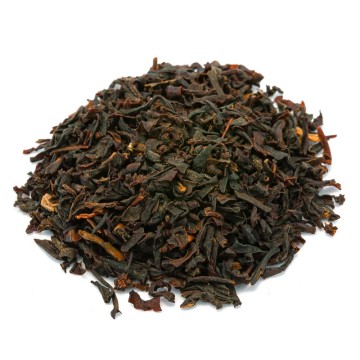
From the homonymous region of India (Ceylon), now Sri Lanka; this tea is one of the most appreciated for its coppery color and intense and round taste. Excellent to enjoy in the morning, it can be drunk either naturally or with the addition of a little milk.
black tea Ceylon.
A robust and enveloping infusion of black tea enriched by the sweet aroma of vanilla. Deliciously balanced, this tea offers a deep and creamy flavor, enriched by the softness of vanilla. Perfect for those looking for a moment of comfort and warmth.
black tea, natural flavors, pieces of vanilla (0,5%).
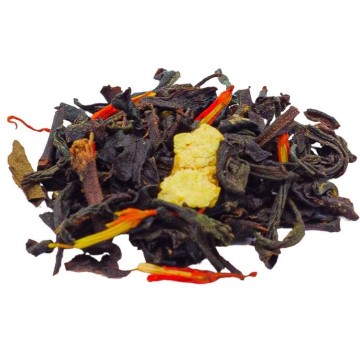
Black orange tea is a flavored drink that combines black tea leaves with the essence or zest of orange. Black tea, known for its rich and robust flavor, is infused with orange flavors that add a fresh, fruity note to the drink. This mix creates a balance between the strong flavor of black tea and the citrus sweetness of orange, making the tea pleasantly refreshing and aromatic. It is a popular choice both hot and cold and is often eaten without sugar or with a little honey to enhance its natural flavours.
black tea (92%), orange peel, natural blood orange flavour, safflower.
Exotic Peach Black Tea is a delicious blend that combines the rich aroma of black tea with the juicy sweetness of exotic peach. This enveloping drink offers a perfectly balanced combination of intense and fruity flavors, enriched with exotic notes that transport the senses to distant places. With every sip, you will immerse yourself in a world of freshness and pleasure, making this tea an ideal choice for refreshment at any time of the day.
black tea, peach aroma, sunflower petals, rose petals, cornflowers, safflower.
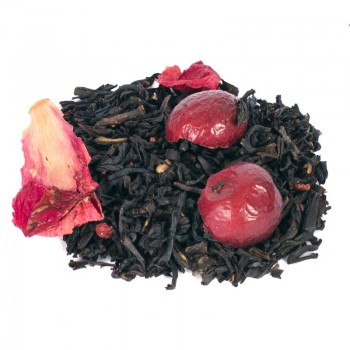
Blueberry Pomegranate Black Tea is a delicious black tea blend enriched with blueberry pieces, pomegranate flowers, peony petals and raspberries, all enriched with natural flavors. This unique combination of ingredients creates a drink with a rich and fruity taste, perfect to enjoy both hot and cold. The sweet and fruity flavor of the berries balances perfectly with the robustness of the black tea, creating a balanced and refreshing drink. Ideal for those who love fruity and refined herbal teas.
Black tea, blueberry, pomegranate flowers, peony petals, raspberries, natural flavors.
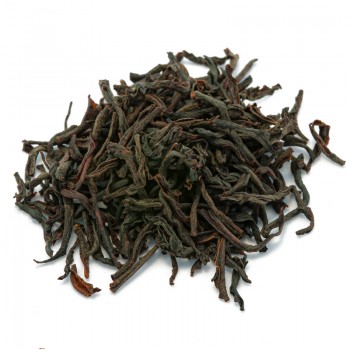
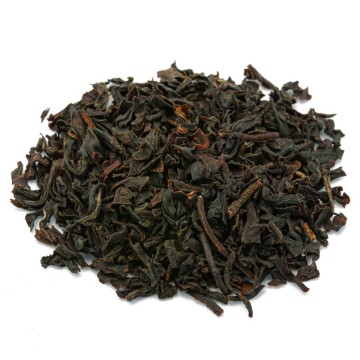
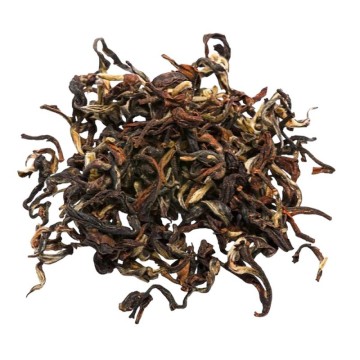
The plantations of this tea are located in the highlands of Kaproret, Saramek and Chemase in the Kericho district. Due to their striking golden leaf tips, strong and slightly floral flavor, these are often mistaken for Chinese Yunnan teas.
Black tea Kaproret GFOP
Assam black tea is a full-bodied, full-bodied tea, rich in malty and slightly sweet notes. Native to the Assam region of India, this tea has small, dark leaves that produce a deep red drink. The intense and strong flavor of Assam tea makes it perfect to be enjoyed alone or with a little milk and sugar to give it a creamy and sweet note. Due to its robustness, Assam black tea is also great for serving with biscuits and desserts.
tè nero Assam
Apple Almond Cinnamon Black Tea is a delicious blend of black tea enriched with dried apple pieces, almonds and cinnamon. The sweet and spicy fragrance of cinnamon combines with the sweetness of apple and the crunchiness of almonds to create an enveloping and irresistible infusion. Perfect to enjoy during cold afternoons to warm up and pamper yourself with an enveloping and enveloping flavour. This tea is a real treat for the palate and offers a moment of relaxation and pleasure.
Ceylon black tea, apple (9%), cinnamon pieces (4%), ALMOND (4%), flavouring, cinnamon sticks (3%), pink rose buds.
Jun Chiyabari black tea is a fine variety from the Himalayan hills of Nepal. Featuring high-quality leaves, carefully hand-picked and processed according to ancient traditions, this tea offers a rich and complex flavor, with floral and fruity notes. Thanks to its unique provenance and artisanal processing, Jun Chiyabari is appreciated by tea connoisseurs for its refinement and its ability to transport the senses on a unique sensory journey.
Jun Chiyabari
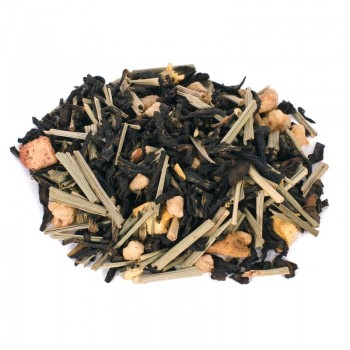
Lemon Ginger Black Tea is a delicious blend that combines robust Ceylon black tea with the lively touch of ginger, the freshness of lemongrass and the refreshing acidity of lemon zest. With the addition of natural flavoring and lemon juice, this drink offers a balanced taste experience, delighting the senses with a combination of warmth, freshness and liveliness. Ideal for energizing the mind and body or for relaxing and regenerating.
Assam black tea, -South India, ginger (12%), lemongrass, natural flavouring, lemon peel (3%).
The black tea is enriched with a mix of licorice pieces, blackberries and strawberries, which give the drink a sweet and fruity flavour. The natural aromas complete the blend, creating a unique and refined tasting experience. Perfect to enjoy both hot and cold, this tea is ideal for those who love intense and original flavours.
black tea (50%), licorice pieces, blackberry pieces, strawberry pieces, natural flavors.
This blend of black tea is one of the strongest as flavor with India origin, in its characteristic broken production, it makes it very suitable as the name says, for breakfast . Its characteristic brown color and full-bodied taste make it an excellent springboard to face the whole day.
English Breakfast Black Tea
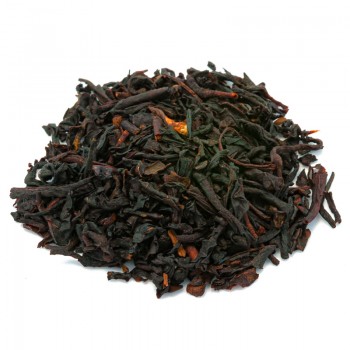
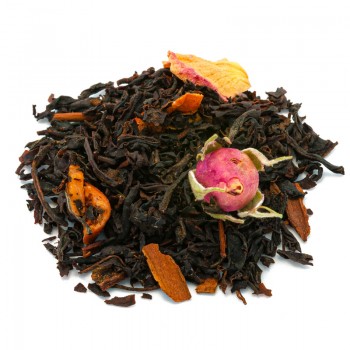
Irish Rum black tea is a delicious blend enriched with exotic and enveloping ingredients. Thanks to the combination of high quality black tea, grated coconut and wild strawberries, it offers a unique and enveloping flavor that delights the palate. The addition of flavoring and safflower gives a final touch of complexity and refinement. This drink is an indulgent and welcoming experience, perfect for enjoying a moment of pleasure.
black tea (90%), grated coconut, wild strawberry leaves, flavouring, safflower.
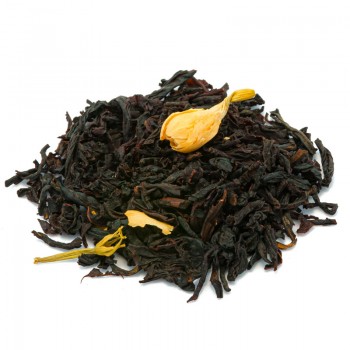
Hazelnut black tea is a delicious blend that combines the rich aroma of Ceylon black tea with the sweetness of hazelnut and the delicate scent of jasmine flowers. This combination creates an enveloping and indulgent drink, perfect for enjoying moments of relaxation and pleasure.
Ceylon black tea, natural HAZELNUT flavour.
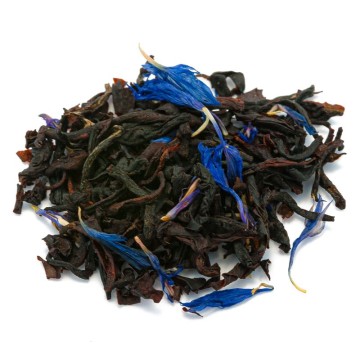
Known the world over as Earl Gray, this tea owes its name to the British Prime Minister Charles Gray. Made from Ceylon, Assam and Bergamot black tea. This blend combines the antioxidant properties of tea with the freshness and vitamins of bergamot making it excellent to drink in the morning or early afternoon. Fresh and citrusy taste.
Ceylon South India black tea, Assam black tea, natural bergamot flavor, cornflower.
![Black tea Kaproret GFOP [Natura d'Oriente]](https://www.naturadoriente.com/3387-home_default/kaproret-black-tea-gfop.jpg)

![black tea Irish Rum [Natura d'Oriente]](https://www.naturadoriente.com/3388-home_default/black-tea-irish-rum-.jpg)