


NOTICE: POSSIBLE DELAYS IN SHIPMENTS
We would like to inform our valued customers that, due to the protests in Southern Italy, there may be delays in deliveries to Sicily, Puglia, Basilicata, Calabria, Campania, Abruzzo, and Molise. We apologize for any inconvenience.
Reference: 0875
 No reward points for this product.
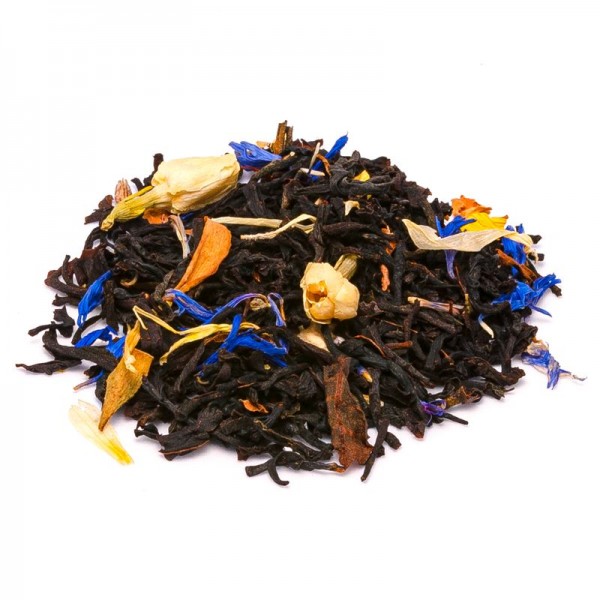
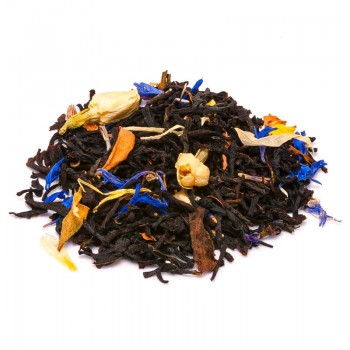
Exotic Peach Black Tea is a delicious blend that combines the rich aroma of black tea with the juicy sweetness of exotic peach. This enveloping drink offers a perfectly balanced combination of intense and fruity flavors, enriched with exotic notes that transport the senses to distant places. With every sip, you will immerse yourself in a world of freshness and pleasure, making this tea an ideal choice for refreshment at any time of the day.
black tea, peach aroma, sunflower petals, rose petals, cornflowers, safflower.
In this particular exotic tea, the sweet and fruity note of the peach aroma gives the black tea a pleasant freshness, complemented by the delicacy of the sunflower, rose, cornflower and safflower petals. The colors and scents of the petals evoke distant places and a heavenly atmosphere for the senses. A flavored black tea suitable for connoisseurs, in a refined combination that involves with its scents in the hot version. Also perfect as a summer iced tea, it refreshes and revives the body.
This infusion has specific nutritional and taste qualities, given that the leaves of the tea plant are subjected to an oxidation process. The cells inside the leaves are exposed to oxygen, triggering chemical reactions that make black tea unique in terms of antioxidants and benefits.
Most of the benefits of black tea come from antioxidant polyphenols, compounds that help the body protect itself from oxidation, eliminating free radicals and reducing cell damage. Black tea contains a group of specific polyphenols, such as theorubicins and theaflavins, which are being studied for their possible help in countering excessively high levels of cholesterol in the blood. Black tea contains alkaloids such as theophylline and caffeine (theine), stimulants that help concentration and attention, giving our body good levels of energy. In addition, it also contains an amino acid called L-theanine which, in combination with caffeine, balances its stimulating effect and helps its release in a lasting way throughout the day. Given its relaxing properties, the L-theanine in black tea avoids the overly exciting effects typical of coffee and promotes stable and regular energy to face commitments.
At a digestive level, black tea helps enzymes for the assimilation of food and facilitates correct intestinal transit. In case of constipation, the caffeine content can provide a mild laxative effect. Balancing the properties of black tea, the tannins contained in the drink help soothe irritation and act as astringents to regulate intestinal activity.
Tea promotes a healthy intestinal microbiota, i.e. the development of good microorganisms and bacteria, useful for digestion and our general well-being. Always for correct management of diet and weight, black tea helps stimulate metabolism and caffeine facilitates the process of burning stored fat. It is also considered a diuretic drink, which combats swelling and water retention, promoting the figure. In addition, exotic peach black tea also satisfies the taste with its natural sweetness, promoting a sense of satiety.
When is it best to drink black tea? Usually a cup is preferred in the morning, given its caffeine content. In any case, a peach-flavored tea can be a pleasant break at any time of the day, even drunk fresh.
This type of tea contains antioxidant polyphenols - flavonoids, catechins, flavanols - and compounds such as enzymes, B vitamins, tannins and amino acids (including L-theanine). Black tea provides minerals such as calcium, fluoride, zinc, iron, phosphorus, magnesium and potassium) and methylxanthine alkaloids which include caffeine (theine), theophylline and theobromine.
The infusion is obtained by placing approximately 3-5 grams of the black tea blend in a cup (250 ml), with water at 90-95 °C.
Leave to infuse for 3 to 5 minutes, before drinking.
Our shop specializing in the sale of tea online allows you to order and receive this peach black tea quickly in practical packs of 25 g, 50 g, 75 g, 100 g, 150 g or 300 g. The freshness wrapper allows you to calculate exactly how many grams of loose tea you need for your cup or teapot.
It is one of the four types of tea produced from the leaves of the Camellia sinensis plant - the others are green tea, oolong and white tea.
The difference between black tea and tea is in the way the leaves are processed, which undergo a particular oxidation process. This type of processing originated in 17th century China, accidentally when a group of tea leaves were left in the sun for too long.
By absorbing plenty of sun and oxygen, the leaves turned a dark shade of red never seen before. To save the tea, they tried to dry it and smoke it with pine wood: this is how the delicious smoked infusion that we know as Chinese black tea - known as Lapsang Souchong - was born.
Over time it was discovered that this black tea could be stored for a long time and improved with time, forthis was the joy of many traders. Black tea leaves were in great demand by British and Dutch merchants, who clashed in the seas to secure their trade. After the victory of the Dutch, the English had to look elsewhere for the Camellia Sinensis plant and found it in India, in the Assami variety - more robust and had a higher yield. From then on, cultivation and aromatic experimentation with black tea blends began, paving the way for famous teas such as Earl Grey, Orange Pekoe or Darjeeling tea.
If its exorbitant price at the time reserved black tea for the aristocracy, today it is one of the most consumed teas in the world. The main producers remain India, China and Sri Lanka (Ceylon tea), but new varieties are always born over time. Tea plant
Camellia sinensis is a species formed by evergreen shrubs or small trees, belonging to the Theaceae family. It is an evergreen flowering plant that shows among the main varieties the small-leaved Chinese plant (Camellia sinensis, variety sinensis), the large-leaved Assam plant (Camellia sinensis, variety assamica) and the Cambodian variety (Camellia sinensis, variety cambodiensis). The plant is appreciated for its young leaves and leaf buds, from which the tea drink is produced. Its natural habitat is considered to be the area of south-east Asia between India, China, Myanmar, Thailand and up to Vietnam. The plant has spread over time to other habitats and today it is also present in Africa (especially in Kenya) and South America.
Due to its caffeine content, some possible side effects should be kept in mind if the consumption of black tea becomes excessive. The intake of caffeine over approximately 400 mg per day can cause states of agitation, palpitations, insomnia, nausea and stomach pain. To avoid overdoing it, you can keep your daily intake of black tea to 3-4 cups.
Exotic Peach Black Tea is a delicious blend that combines the rich aroma of black tea with the juicy sweetness of exotic peach. This enveloping drink offers a perfectly balanced combination of intense and fruity flavors, enriched with exotic notes that transport the senses to distant places. With every sip, you will immerse yourself in a world of freshness and pleasure, making this tea an ideal choice for refreshment at any time of the day.
black tea, peach aroma, sunflower petals, rose petals, cornflowers, safflower.
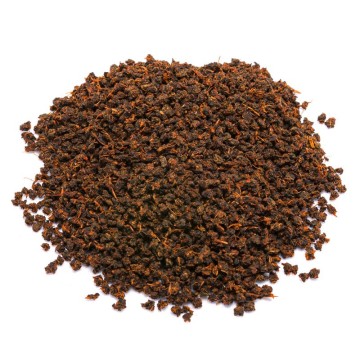
Decaffeinated Assam Black Tea is a variety of black tea from the Assam region of India, renowned for producing high quality tea. This decaffeinated version offers the same robust and full-bodied flavor typical of Assam tea, but with a reduced caffeine content. Thanks to its careful processing, this tea keeps the malty and slightly fruity notes characteristic of the Assam variety intact, offering a satisfying and relaxing taste experience, perfect for those who want to enjoy the taste of black tea without the stimulating effects of caffeine.
TGFOP decaffeinated Assam black tea
Lemon Ginger Black Tea is a delicious blend that combines robust Ceylon black tea with the lively touch of ginger, the freshness of lemongrass and the refreshing acidity of lemon zest. With the addition of natural flavoring and lemon juice, this drink offers a balanced taste experience, delighting the senses with a combination of warmth, freshness and liveliness. Ideal for energizing the mind and body or for relaxing and regenerating.
Assam black tea, -South India, ginger (12%), lemongrass, natural flavouring, lemon peel (3%).
Chocolate apple and almond black tea is a delicious blend that combines the rich and robust flavor of Ceylon black tea with sweet and fruity notes of apple and pear, enriched by bold nuances of rose buds. The cocoa and cocoa peels give a touch of deliciousness while the natural almond aroma gives an enveloping and enveloping flavour. Yellow rose buds and yellow marigold add a touch of elegance and a delicate floral scent to this delicious blend. An aromatic and satisfying tea, perfect to enjoy at any time of the day.
Ceylon black tea, cocoa beans, pear (pear, rice flour) (7%), flavouring, ALMOND (4%), pink rose buds, marigold.
Known the world over as Earl Gray, this tea owes its name to the British Prime Minister Charles Gray. Made from Ceylon, Assam and Bergamot black tea. This blend combines the antioxidant properties of tea with the freshness and vitamins of bergamot making it excellent to drink in the morning or early afternoon. Fresh and citrusy taste.
Ceylon South India black tea, Assam black tea, natural bergamot flavor, cornflower.
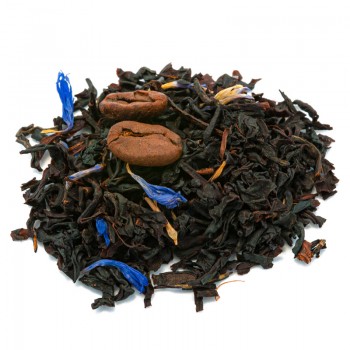
Black Tea with Coffee is an exciting blend of robust Ceylon black tea enriched with the intense aroma of coffee, creating an energizing and stimulating drink. The addition of cornflower adds a touch of floral sweetness, completing this delicious tasting experience that will satisfy tea and coffee lovers.<
Ceylon black tea, flavouring, coffee (4%), cornflower.
Apple Almond Cinnamon Black Tea is a delicious blend of black tea enriched with dried apple pieces, almonds and cinnamon. The sweet and spicy fragrance of cinnamon combines with the sweetness of apple and the crunchiness of almonds to create an enveloping and irresistible infusion. Perfect to enjoy during cold afternoons to warm up and pamper yourself with an enveloping and enveloping flavour. This tea is a real treat for the palate and offers a moment of relaxation and pleasure.
Ceylon black tea, apple (9%), cinnamon pieces (4%), ALMOND (4%), flavouring, cinnamon sticks (3%), pink rose buds.
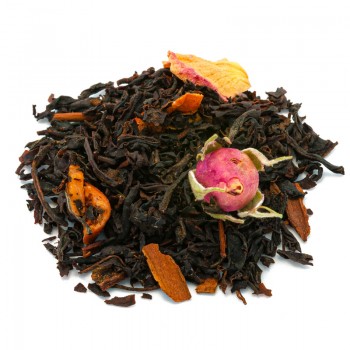
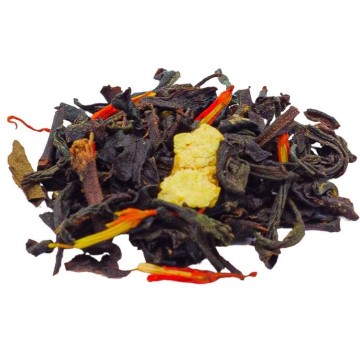
Irish Rum black tea is a delicious blend enriched with exotic and enveloping ingredients. Thanks to the combination of high quality black tea, grated coconut and wild strawberries, it offers a unique and enveloping flavor that delights the palate. The addition of flavoring and safflower gives a final touch of complexity and refinement. This drink is an indulgent and welcoming experience, perfect for enjoying a moment of pleasure.
black tea (90%), grated coconut, wild strawberry leaves, flavouring, safflower.
Coconut and Chocolate Black Tea is a delicious blend enriched with pieces of milk and white chocolate, coconut and cocoa beans. It offers a decadent and enveloping flavor, perfect for an indulgent break.
black tea (65%), chocolate (sugar, cocoa, emulsifier: soy lecithin,) white chocolate (sugar, MILK powder, soy lecithin, dextrose) coconut, cocoa beans in pieces, natural flavourings.
Pekoe Rukeri black tea is a fine variety of black tea from the Rukeri company, located on the fertile hills of Rwanda. Featuring hand-selected, high-quality leaves, this tea offers a delicate aroma and a rich, full-bodied flavor, with floral and slightly sickly notes. Thanks to its careful craftsmanship and sourcing from a region renowned for its quality tea production, Pekoe Rukeri is an excellent option for those seeking a refined and satisfying black tea.
black tea Pekoe Rukeri
Chinese black tea particularly appreciated for its main prerogative: smoking. In fact, its production involves drying the leaves and smoking them with pine and cedar wood after oxidation of the leaves. With a dark coppery color and a full-bodied and sweet taste, excellent on its own or accompanied with a savory breakfast, it is also recently appreciated in many culinary preparations.
black tea Lapsang Souchong
Black orange tea is a flavored drink that combines black tea leaves with the essence or zest of orange. Black tea, known for its rich and robust flavor, is infused with orange flavors that add a fresh, fruity note to the drink. This mix creates a balance between the strong flavor of black tea and the citrus sweetness of orange, making the tea pleasantly refreshing and aromatic. It is a popular choice both hot and cold and is often eaten without sugar or with a little honey to enhance its natural flavours.
black tea (92%), orange peel, natural blood orange flavour, safflower.
Famous for being a tea named after the region (Darjeeling) where it is grown, in north east India in the state of West Bengal. Particularly prized tea so much that it has been nicknamed the champagne of teas for the taste vaguely reminiscent of Muscat grapes and so much that it has the name protected by copyright by the Teaboard of India.
Black tea Darjeeling
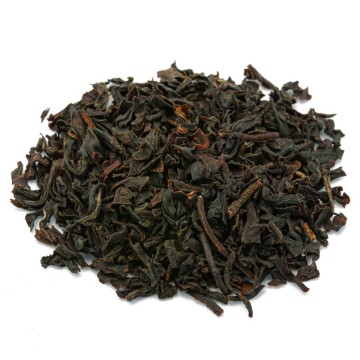
Assam black tea is a full-bodied, full-bodied tea, rich in malty and slightly sweet notes. Native to the Assam region of India, this tea has small, dark leaves that produce a deep red drink. The intense and strong flavor of Assam tea makes it perfect to be enjoyed alone or with a little milk and sugar to give it a creamy and sweet note. Due to its robustness, Assam black tea is also great for serving with biscuits and desserts.
tè nero Assam
Lemon Pineapple Black Tea is a delicious Ceylon black tea blend enriched with coconut, pineapple, lemongrass, apple, ginger and marigold. This unique combination of ingredients creates an infusion with a tropical and fresh taste, perfect to enjoy both hot and cold. The exotic touch of coconut and pineapple blends harmoniously with the freshness of lemon and the liveliness of lemongrass, creating a refreshing and fragrant drink. Ideal for a relaxing break or to enjoy during a hot summer day.
Ceylon Black Tea, Coconut (Coconut, Coconut Oil, Sugar), Pineapple (Pineapple, Sugar), Lemongrass, Apple, Ginger, Natural Flavor, Marigold.
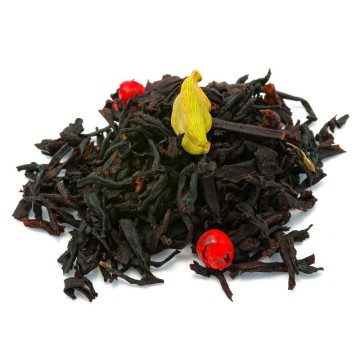
Pistachio Black Tea is a delicious blend of Assam Black Tea enriched with natural flavouring, cardamom, pink pepper and crushed pistachio. The rich and enveloping taste of black tea combines perfectly with the sweet and crunchy flavor of pistachio, creating a unique and enveloping taste experience. Perfect to enjoy hot, for a tasty and refined break.
black tea, natural aroma, cardamom, pink pepper, chopped PISTACHIO.
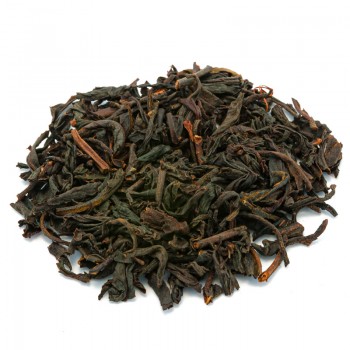
The plantations of this tea are located in the highlands of Kaproret, Saramek and Chemase in the Kericho district. Due to their striking golden leaf tips, strong and slightly floral flavor, these are often mistaken for Chinese Yunnan teas.
Black tea Kaproret GFOP

![black tea Irish Rum [Natura d'Oriente]](https://www.naturadoriente.com/3388-home_default/black-tea-irish-rum-.jpg)

![Black tea Kaproret GFOP [Natura d'Oriente]](https://www.naturadoriente.com/3387-home_default/kaproret-black-tea-gfop.jpg)