




Reference: 0374
 No reward points for this product.
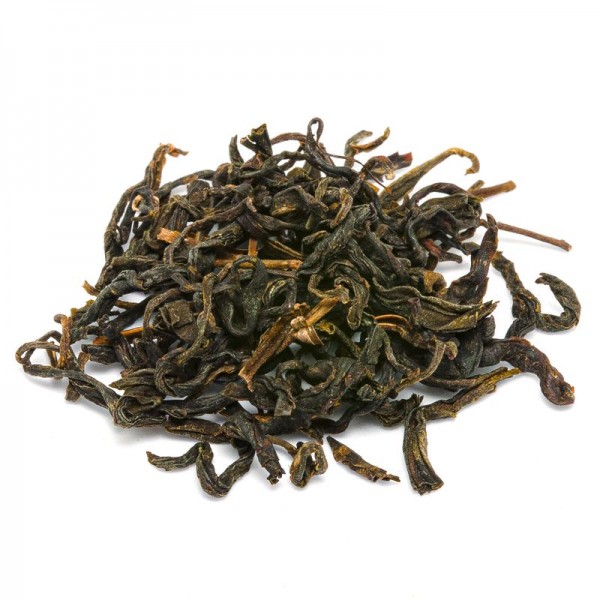
Huang Ya Yellow Tea is a fine variety of Chinese tea renowned for its unique production process and delicate flavor. The leaves are harvested by hand and subjected to slow oxidation, which gives them a characteristic golden yellow color and a soft and slightly sweet aromatic profile, with floral and chestnut notes. This tea, less astringent than other types of tea, offers a refined and harmonious tasting experience, and is appreciated for its health benefits, including antioxidant and digestive properties.
yellow tea Huang Ya
This unique variety among Chinese yellow teas holds a prestigious position due to its rare processing technique and delicate aromatic profile. Huang Ya tea is celebrated for its refined flavor, appreciated by tea lovers around the world. With every sip, it reveals slightly sweet and smooth nuances, with a few fresh notes; a harmony of flavors that evoke the essence of tea art. It has an enveloping aroma and an elegant golden yellow color. This rare yellow tea is perfect for those who want to indulge in refined breaks, adding a hint of sweetness for perfection.
To better understand the value of Huang Ya, it's helpful to know that yellow tea is rare, produced only in certain areas of China, with specific characteristics. It is obtained through a unique processing method that transforms the traditional production of green tea into yellow, through a "yellowing" step. During this meticulous process, the leaves are heated and processed like those of green tea (roasting or steaming, depending on local preferences). During this stage, the temperature is lower and the processing time shorter than for green tea. The tea leaves are thus only partially dried. They are then collected in piles rich in humidity (80-90%) and covered with cloths or in bamboo baskets, according to the tea master's instructions. The resting and natural drying phase, which lasts several hours, allows the tea to absorb the moisture and released aromas. This is the stage at which the leaves turn yellow, transforming under the effect of the controlled heat and humidity.
Yellow tea leaves can be subjected to this method multiple times, to intensify and enhance the tea's aromatic profile. This delicate oxidation process produces a less herbaceous and less astringent flavor in the cup, creating a tea similar to green tea but more delicate and smooth. The infusion obtained from the leaves has a golden color, reflecting the name "yellow tea."
It is prepared by placing about 3-5 grams of loose leaves per cup (250 ml) in water at a temperature of 75-80°C. The infusion lasts 3 to 4 minutes, depending on your preference.
Yellow tea is the rarest type of tea, as it is produced only in China and in a few areas, including the provinces of Anhui, Zhejiang, Hunan, Sichuan, and Guangdong. Although rare, it is still an important element in the preparation of traditional Chinese tea. At least one yellow tea appears on the list of the most famous teas in China, due to its long history. It was not well known even among the Chinese, due to its exclusivity, having once been reserved exclusively for members of the Chinese imperial court, and it seems to have also been much loved by Buddhist monks. As we know it today, yellow tea is the result of artificial yellowing through processing, and likely arose from an error during the production of green tea, around the 16th century (Ming Dynasty). Not enough heat was applied during the drying of the leaves, causing the residual moisture to turn them yellow. Once its particularly delicate and smooth flavor was discovered, yellow tea was born. Over time, however, its production was abandoned in favor of the more profitable green tea, because it requires time and the skills associated with ancient processing techniques.
Today, it has become one of the most prestigious and sought-after varieties among connoisseurs, considered a small luxury in the tea world. Thanks to its smooth and delicate flavor, some connoisseurs consider it to bridge the gap between green and white tea.
Generally, several subcategories of this beverage are mentioned, each named after the type of harvest: Huang Ya Cha (yellow-golden bud teas), Huang Xiao Cha (small yellow teas), and Huang Da Cha (large yellow teas). The most prized are the yellow teas harvested manually in spring, which include buds and young leaves that remain intact and tender.
Tea masters typically process the highest quality teas entirely by hand, using a bud and 1-2 leaves to obtain yellow teas with an intense aroma and refined flavor. The more mature leaves, with higher quantities of fiber and polysaccharides, are used for denser, smoother teas with a more golden color.
Production is therefore time-consuming and requires special skill and selection. For this reason, yellow tea is considered a fine and delicate tea, which for many years was not available in the West. Nowadays, it can be found on the international market as a premium product.
As a rare Chinese tea, it is not easy to find in regular supermarkets and grocery stores. You can buy itYou can find it from specialized retailers, such as our online tea and infusion shop Naturadoriente.com, which offers a special selection. We offer high-quality Huang Ya yellow tea, available in 25g, 50g, 150g, or a large 300g pack.
Like other types of tea, it possesses the typical characteristics of Camellia sinensis leaves. It contains antioxidants and minerals beneficial to our well-being, and allows you to supplement your diet with caffeine (theine) for energy throughout the day. Yellow tea provides antioxidant polyphenols, substances that can help fight the oxidation of free radicals in the body. Furthermore, its manufacturing process preserves many of the plant's original catechins, such as the catechin EGCG (epigallocatechin gallate), known for its antioxidant properties. The caffeine and theophylline content of tea stimulates concentration and attention, providing a tonic effect against physical and mental fatigue. With a moderate caffeine content, yellow tea provides a balanced energy boost without the typical rush of coffee. It also promotes weight management, as yellow tea helps stimulate the metabolism, helping the body burn fat as part of a balanced diet. Yellow tea promotes normal intestinal function during digestion and can also be included in the diet to aid in the drainage of body fluids, preventing the feeling of bloating after meals.
Consuming it does not pose any particular risks, but excessive consumption can cause possible side effects due to its caffeine content. The caffeine in tea may cause agitation, nervousness, digestive difficulties, and a rapid heartbeat.
Data sheet
Huang Ya Yellow Tea is a fine variety of Chinese tea renowned for its unique production process and delicate flavor. The leaves are harvested by hand and subjected to slow oxidation, which gives them a characteristic golden yellow color and a soft and slightly sweet aromatic profile, with floral and chestnut notes. This tea, less astringent than other types of tea, offers a refined and harmonious tasting experience, and is appreciated for its health benefits, including antioxidant and digestive properties.
yellow tea Huang Ya