

NOTICE: POSSIBLE DELAYS IN SHIPMENTS
We would like to inform our valued customers that, due to the protests in Southern Italy, there may be delays in deliveries to Sicily, Puglia, Basilicata, Calabria, Campania, Abruzzo, and Molise. We apologize for any inconvenience.
Reference: 0831
 No reward points for this product.
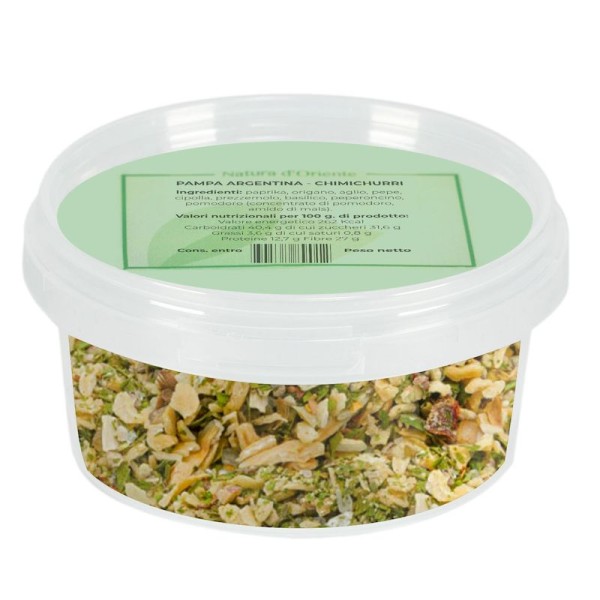
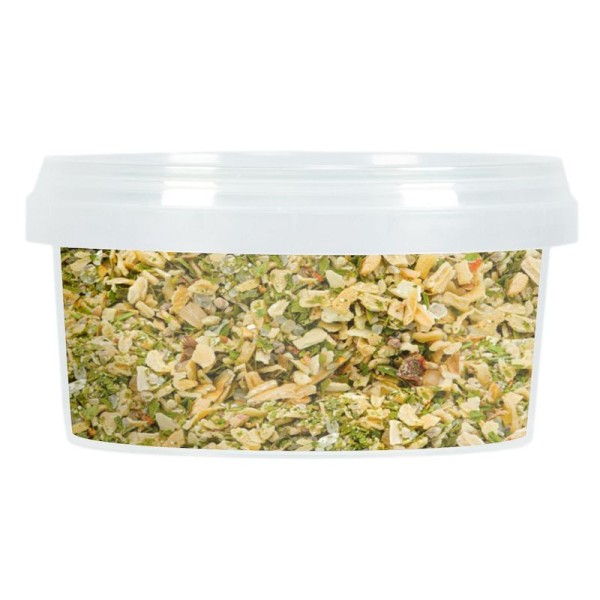
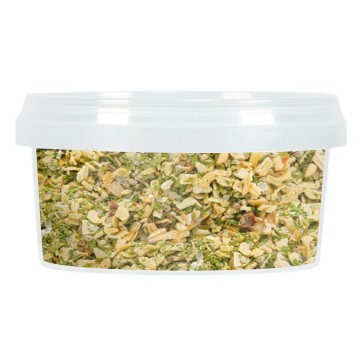
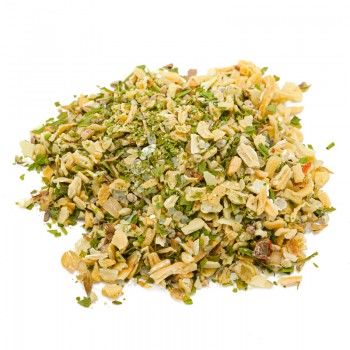
La Pampa Argentina a timeless classic of the South American tradition, tasty and slightly acidic, which adapts to almost all types of meat prepared on the grill or barbeque, but also boiled meats, in some cases it is also used (more diluted) to marinate meat before cooking.
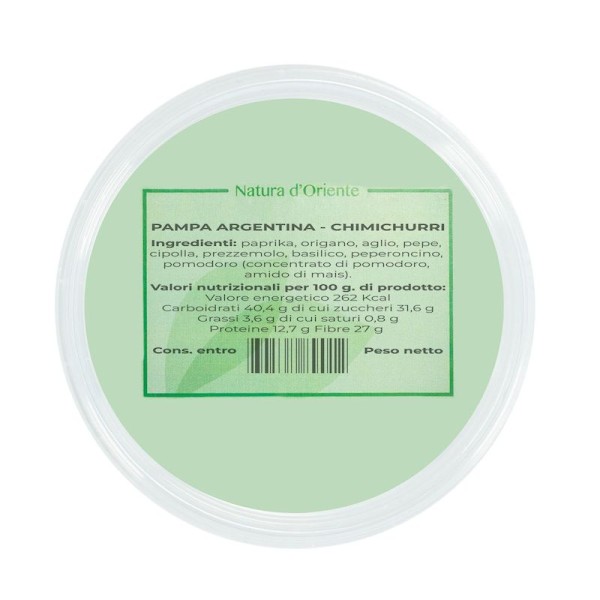
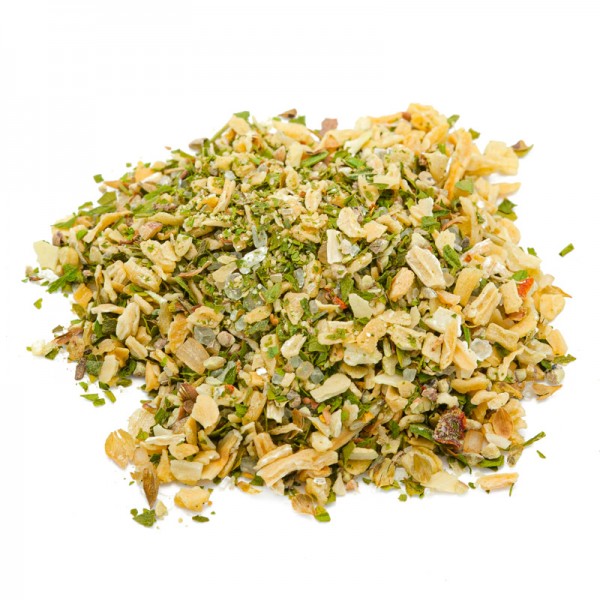
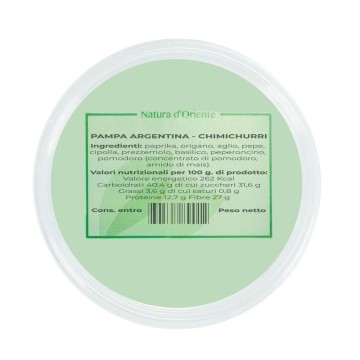
paprika, oregano, garlic, pepper, onion, parsley, basil, chilli, tomato (tomato paste, corn starch).
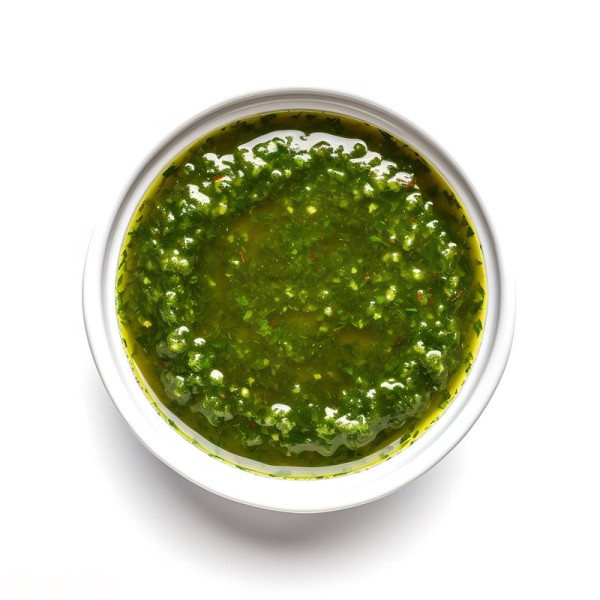
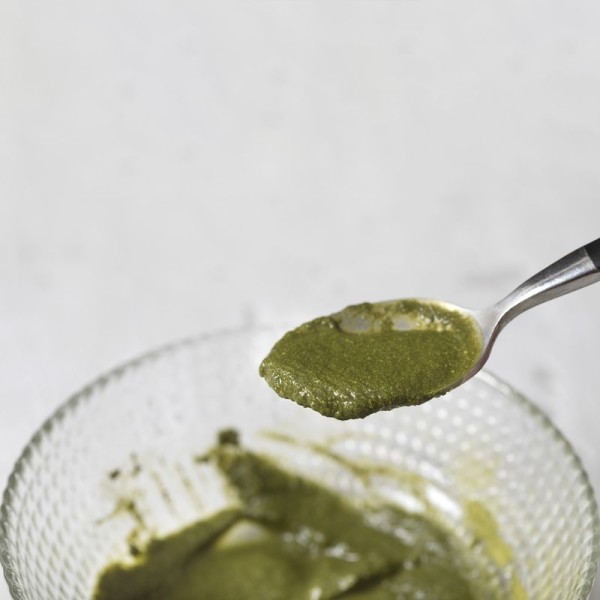
The traditional chimichurri sauce is created with a combination of spices, aromatic herbs and olive oil, giving life to a famous South American condiment for grilled meats. We always start with the mix of herbs and spices, which we offer in its “dry” version for different types of marinades. The basic ingredients used in chimichurri are parsley, garlic, oregano and chilli pepper, which are macerated in oil and red wine vinegar. Naturally, like all spice mixes, there is a wide variety of versions to give uniqueness to the sauces. In our Pampa Argentina version, we have added tasty elements to the most well-known ingredients to give an intense aroma and some herbaceous notes, such as basil, tomato, pepper, onion and paprika. This is how our dried chimichurri condiment was born, with a more pungent and pronounced flavour than the fresh one. This complex, herbaceous, peppery and sour mix is perfect for grilling season: it can flavor beef, pork, chicken and lamb in the most delicious “parrillade”!
The Argentine Pampas mix combines spices and aromatic herbs in a balanced way between sour and spicy. This mix has a medium level of heat, due to the chili pepper and pepper.
Parsley infuses the mix with a herbaceous and fresh note, with an aroma known for its vaguely peppery touch and a particular nuance, reminiscent of nutmeg.
Pepper gives the mix a strong, acrid flavor, and an intense, pungent aroma; this spice adds a lively touch to the meat, in any type of cooking.
Chili pepper provides its intense heat and spicy flavor that makes the difference on grills, with an aroma that spreads best during cooking.
Onion adds a pungent, slightly sweet flavour to the mix; an unmistakable aroma that pairs well with rice and all the ingredients in paella.
Garlic adds a warm, pungent flavour, with pleasant, bold, savoury notes; as an aromatic ingredient, it makes the mix versatile for use on chicken, beef and other white meats.
Oregano gives the Chimichurri mix a warm, pungent, herbaceous flavour, with deep aromatic notes – it is a very fragrant herb and shows off its properties best on meat.
Paprika adds a moderately spicy, pleasantly sweet and sour flavour with fruity notes. The perfect balance between chilli, onion and basil.
Basil is a very aromatic element in the Pampa Argentina mix, with a fresh, sweetly pungent flavour and complex, fruity notes.
Tomato, in its concentrated version, gives the sauce a rounded, acidulous flavour, with spicy, sweetish notes that create a complex flavour.
You can buy the Chimichurri spice mix through our Pampa Argentina mix offer for sale on Natura d'Oriente. You can find it online at a convenient price, and available in a large quantity for every need: packs of 50 g, 75 g, 100 g, 250 g, 500 g and up to 1 kg.
The seasoning contains all the delicious flavors of the chimichurri sauce enclosed in a dry seasoning, convenient to keep on hand in the kitchen. The Pampa Argentina Mix is versatile and can be used both for the Chimichurri sauce and for marinades with olive oil. Its flavor becomes excellent on chicken breast or grilled steaks, on roasted and boiled white or red meats. It is also worth trying as a final seasoning for meat, and as an accompaniment to salad or vegetables. In Argentina and South America, green chimichurri is used to prepare meat in three ways.
- It is used to coat all the meat before roasting with a marinade of spices, olive oil and red wine vinegar - considered better than white.
- The sauce is used to baste the meat while grilling or barbecuing - not as a marinade.
- It is served by placing the sauce on the table, to add a couple of spoonfuls of chimichurri on top of the steak or other meats.
The dry spice mix is placed in a bowl, in the amount needed for the meats to be cooked. Typically, 1 cup of olive oil and ½ cup of red wine vinegar are added in proportion. Let it sit for at least 5-10 minutes, so that the mixture releases all the flavors into the oil. Some people let it sit for up to 1 hour, if time allows. Then use a glass or ceramic container and add the sauce and a little coarse salt to the meat. Starting to massage, distribute the sauce evenly and then put the meat to marinate in the fridge. The meat should be removed from the fridge at least an hour before cooking, for best grilling.
For those who do not like vinegar, you can use onlyoil to create a less acidic marinade. Or you can replace the vinegar with lemon juice.
Leave the mixture slightly moistened in warm water and let it sit for 5 minutes. Once rehydrated, add extra virgin olive oil - the amount of oil you want will vary depending on the consistency for the final application to the meat. Another option for applying it: dry the meat well with paper towels, and brush it with a little mild-flavored EVO oil. Then rub the spice and herb mixture into the meat and the grate, before roasting. If using the pan-fried meat mix, sprinkle the fillets or steaks before cooking.
The origins of this meat sauce date back to the early decades of the eighteenth century, with several points in common with the French “Persillade”, more or less from the same period. Both are sauces created with parsley, garlic, aromatic herbs, olive oil and vinegar. The traditional chimichurri is a fresh sauce originating from Argentina and Uruguay, countries known for large livestock farms in the endless Pampas, and for the excellent meats that derive from them – perfected by sauces and condiments.
The preparation of this mix of spices for the sauce is certainly linked to the marinade for grilled meats in the famous “asado” - the method of cooking meat on the grill, born in the Argentine prairies and now famous throughout the world. It is not a simple barbecue, because the meat is exposed to the heat produced by the flame, at a distance from the embers. A metal grill, the parrilla, is used, with long cooking times. In the past, the herdsmen of the South American pampas, called Gaucho, fixed the meat (veal or lamb) to a metal cross, exposing it directly to the heat of the fire. A classic "parrillada" normally includes different cuts of beef, pork, chicken and lamb. As in many classic sauces of South American and world cuisine, there are many varieties of recipes for chimichurri, and even in Argentina each "asador" has its own secret recipe. During the parties organized by the Gaucho, this green mixture is prepared in large containers, brought near the cooking point together with large brushes. The marinade, in fact, took place directly on the embers by brushing the meat.
Data sheet
La Pampa Argentina a timeless classic of the South American tradition, tasty and slightly acidic, which adapts to almost all types of meat prepared on the grill or barbeque, but also boiled meats, in some cases it is also used (more diluted) to marinate meat before cooking.
paprika, oregano, garlic, pepper, onion, parsley, basil, chilli, tomato (tomato paste, corn starch).
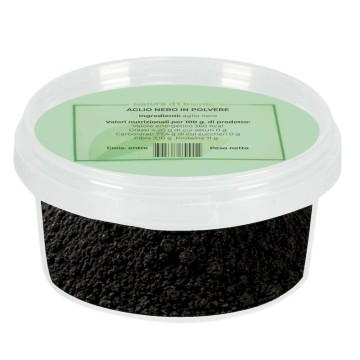
Black garlic powder is a gourmet spice with a delicate and aromatic flavor, with sweet notes reminiscent of licorice, balsamic vinegar, and dried fruit. Ideal for enhancing meat, fish, vegetables, sauces, and creative recipes with a refined and original touch.
Black Garlic
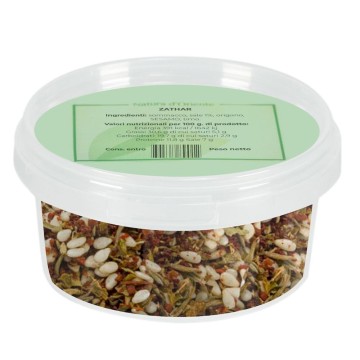
Zahatar is a mixture of spices well known and used in the Middle Eastern countries. This combination of spices is ideal for flavoring meats such as chicken and lamb, vegetables, cheeses, stewed potatoes and onions, mozzarella and tomatoes.
sumack, salt 3%, oregano, sesame, thyme.
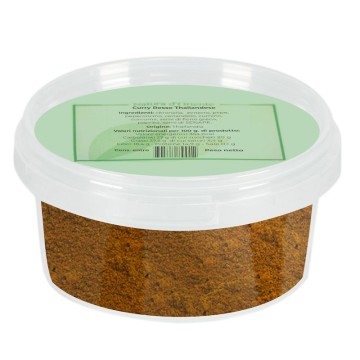
Experience the exotic flavour of a unique and versatile blend of spices. Its delicate balance contains all the notes of spiciness, sweetness, a hint of bitterness and sourness. Ground Thai Red Curry is complex and refined, with a medium heat, perfect for giving its harmonious and complete flavour to vegetable, meat, fish and rice dishes.
lemongrass, ginger, pepper, chili pepper, coriander, cumin, turmeric, fenugreek seeds, paprika, MUSTARD seeds.
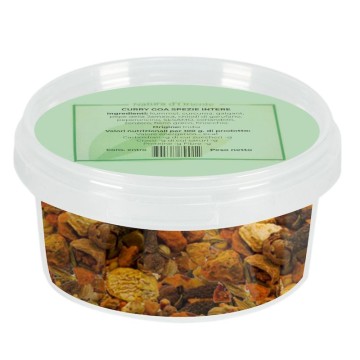
A particular Curry, a mix composed of whole spices versatile in the kitchen. It can be added halfway through cooking, or used when needed - crushed in a mortar to insert it into the recipe. Originating from the Indian region of Goa, it shows a warm, full-bodied and moderately spicy blend; with sweet notes that make it perfect for not adding too much spiciness to spicy dishes.
kummel, turmeric, galgant, Jamaican pepper, cloves, chili, MUSTARD, coriander, ginger, fenugreek, fennel.
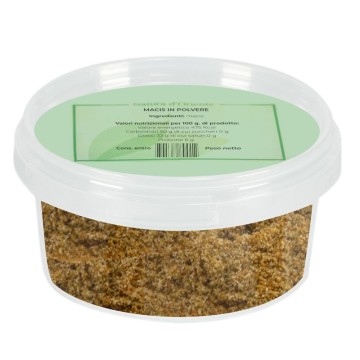
Ground mace has a more delicate flavor than nutmeg and has various uses in the kitchen. In Indian cuisine, it becomes part of the mix of spices that make up the curry, and in Chinese cuisine, where it is used in both savory and sweet dishes.
Mace dust
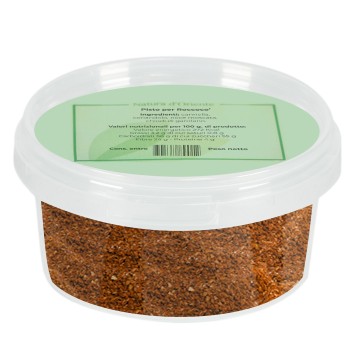
If you were asked “what is the typical Neapolitan Christmas dessert” what would you answer? Of course …… the Roccocò !!!!!! Then the spices are ready for you to flavor this dessert and make it invaluable. An advice? Before flavoring the dessert mix, toast these spices in a non-stick pan and you're done.
cinnamon, coriander, nutmeg, cloves.
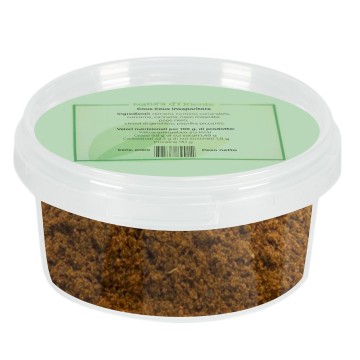
Couscous is the most popular dish in Morocco and North Africa, but spread all over the world. Giving an aromatic flavor with the couscous flavoring on dishes is something unique and makes the taste of the food particular.
ginger, cumin, coriander, turmeric, cinnamon, nutmeg, black pepper, cloves, hot paprika.
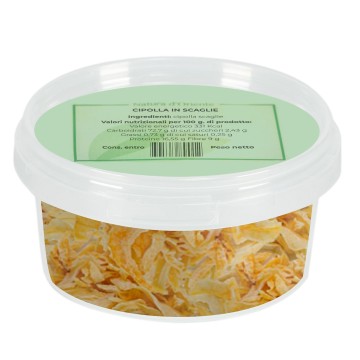
Dried onion flakes make the properties and benefits of the bulb so appreciated in the kitchen available in a practical way. It is ideal for enriching many dishes with a pungent and astringent, slightly sweet taste. Versatile for many recipes of healthy and tasty dishes. It also has antioxidant compounds and minerals useful for well-being, purifying for the body and for the airways.
onion
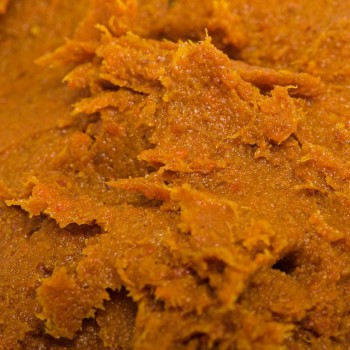
If you like spicy cuisine, Thai red curry paste is an ideal seasoning to enhance your taste buds, giving your soul and your mood a boost of energy.
shallot, soybean oil, garlic, coriander, ginger, cumin, fenugreek, turmeric, salt, lemongrass, shrimp paste, salt, chilli pepper, galangal, palm oil, mustard. (this product may contain traces of fish).
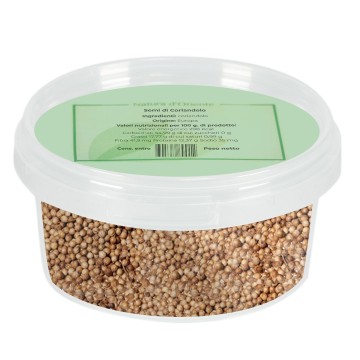
I semi di coriandolo sono una spezia aromatica dal gusto fresco e leggermente agrumato, ideale per insaporire curry, carne, verdure, legumi e ricette orientali. Perfetti per chi cerca spezie naturali di qualità per una cucina ricca di profumo e sapore.
coriandolo
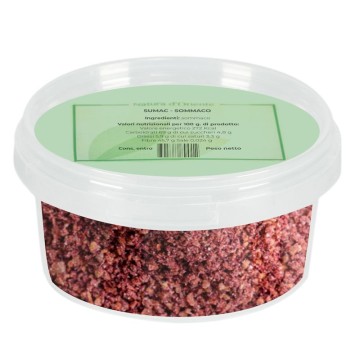
Sumac is a spice with a fresh and slightly acidic flavor, excellent for seasoning first and second courses or for adding more flavor to drinks. Historically used in the Middle East and known in Sicily as Sommacco, this spice also has beneficial draining and digestive properties and is a powerful antioxidant.
sumac, salt 5%, various seed oil.
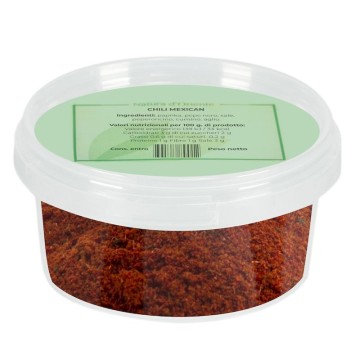
Mixture of spicy spices, excellent for enjoying a fabulous chili mex based on beans or flavoring many recipes. Mexican Chili gives flavor and spiciness to dishes and also has beneficial virtues to support our cardiovascular system. A spice suitable for flavoring meat, vegetable or legume-based dishes.
paprika, black pepper, salt, chili pepper, cumin, garlic.
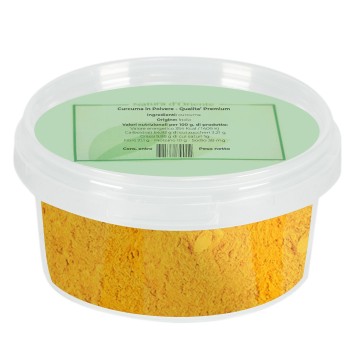
This spice, originally from India, has been appreciated in the East for centuries for its pungent flavor and its beneficial qualities on our body. The premium quality version of dried turmeric powder offers you incredible taste, digestive properties and numerous antioxidants. It is ground and ready for use in the kitchen, concentrating its aromatic characteristics to the maximum. Perfect for creating tasty dishes with an exotic and colorful touch!
turmeric 100%
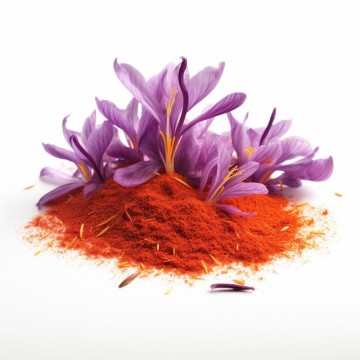
Saffron is a spice widely used in oriental cuisine in the preparation of meat, fish and rice dishes; also popular for flavoring desserts and drinks. The intense and persistent aroma of saffron, and the bitter taste that characterizes it, make it a prized spice, among the most precious and expensive in the world. In Italy, the use of saffron on risotto alla milanese is well known.
Negin saffron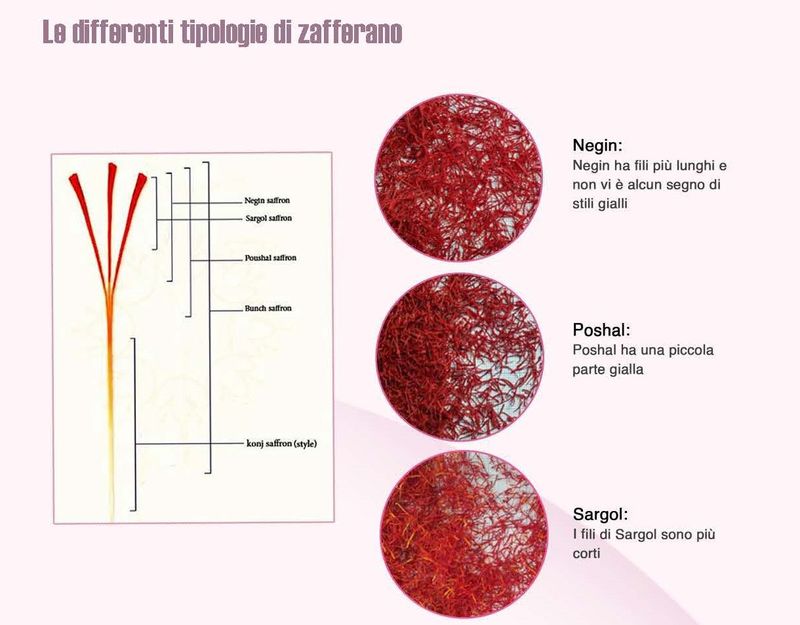
Thyme is a spice that makes many preparations pleasant. With an aromatic and slightly spicy taste, it can be easily used to flavor pasta dishes, roasted or grilled meat, fish and fillings. Excellent liqueurs and vinegars are also produced. Combined with wine, garlic, onion or brandy, it is used to prepare excellent sauces for meat dishes.
thyme
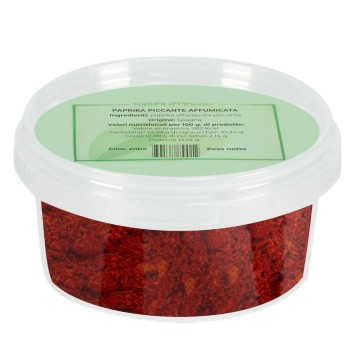
We can define paprika as a spice that is good for the body and good mood, stimulates the palate and satisfies originality in the kitchen. An ingredient that gives a pungent and intense flavor to dishes, with smoky notes perfect in many preparations - especially meat and vegetables. In addition, paprika contains multiple compounds that offer benefits to our body.
hot smoked paprika