NOTICE: POSSIBLE DELAYS IN SHIPMENTS
We would like to inform our valued customers that, due to the protests in Southern Italy, there may be delays in deliveries to Sicily, Puglia, Basilicata, Calabria, Campania, Abruzzo, and Molise. We apologize for any inconvenience.
Reference: 0880
 No reward points for this product.
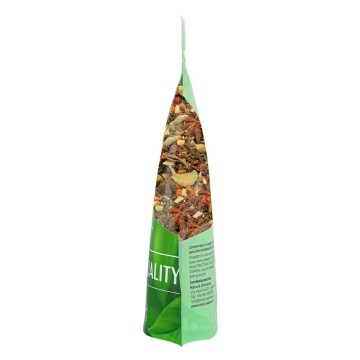
For all those who love spices, this is your tea: widespread in India, this black tea is a real explosion of fragrances thanks to cardamom, pepper, cloves and cinnamon which make it an excellent drink all year round. Excellent if drunk with the addition of milk, as in its original preparation, but pleasant even if drunk pure.
The Indian tradition requires that it be boiled, boiling the boil 3 times, in water and milk (2 cups of water + 1 cup of milk) with the addition of brown sugar.
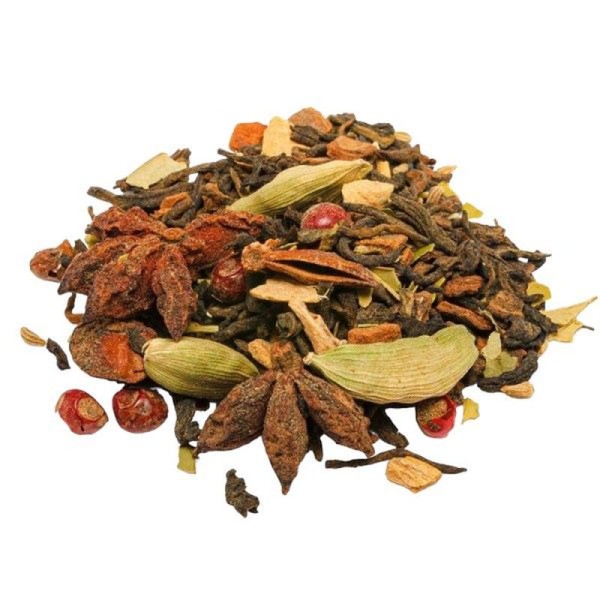
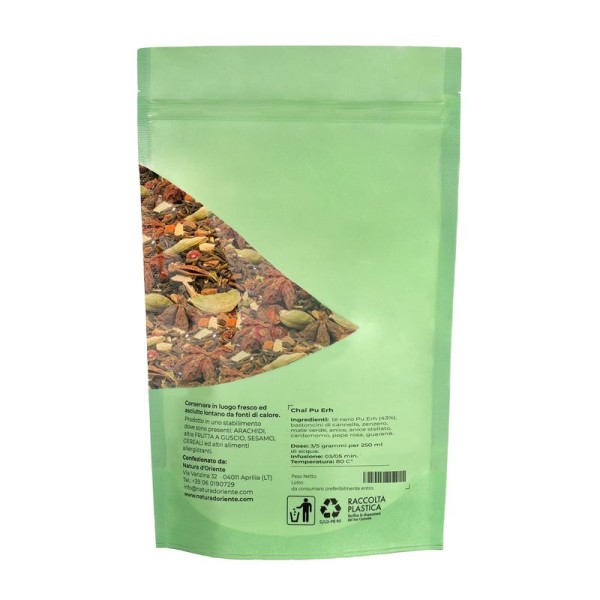
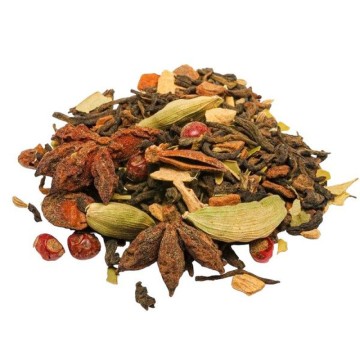
Pu Erh black tea (43%), cinnamon sticks, ginger, green mate, anise, star anise, cardamom, pink pepper, guarana.
For tea lovers, Pu Erh Chai offers all the health benefits of a classic Pu Erh, with the addition of very unique flavors and ingredients. The presence of typical oriental spices releases intense aromas, while ingredients like green mate and guarana complement this chai tea with vegetal notes from South American traditions. The goal is to create an extraordinary black tea full of energy, with a distinctive, bold flavor and a striking amber color. This combination tones down the overly strong Pu Erh taste and enhances its metabolism-boosting properties.
For those wondering what's in chai, it originally came about as a blend of black tea and spices, with many different variations. This Pu Erh Chai blend features unique spicy aromas and ingredients designed to enhance the blend with a touch of oomph.
Pu Erh Black Tea: The leaves of this Chinese tea are unique, fermented, and rich in nutrients acquired during this process. A full-bodied and beneficial base, it lends a complex, earthy flavor that makes the blend unique.
Cinnamon: The sticks of this spice lend a warm, sweet flavor that balances the flavors of the Pu Erh. Slightly pungent, it pairs well with tea. Anise: The seeds add a sweet, fresh flavor to this chai with an intense aroma; they balance the notes of other warmer spices and pair well with the pink peppercorn. Star anise: Its intense, deep flavor has pungent notes that tantalize the palate, along with ginger and pink pepper.
Ginger: Balanced spicy and sweet notes give the chai just the right amount of spice; the fresh, citrus-like notes are perfect for livening up the tea. Pink pepper: Gives the blend a sweet and slightly pungent flavor that complements the anise. Also known as false pepper, it comes from the Schinus molle plant. Mate: Known as yerba mate (Ilex paraguariensis), it creates an astringent and bitter herbaceous flavor with a distinctive aromatic scent.
Guarana: Adds fruity and bitter notes to the tea, slightly acidic, balancing the spices. It comes from the South American plant Paullinia cupana Kunth. Cardamom: A prized spice, it gives tea a complex, warm, sweet, and slightly pungent flavor, with fruity notes; its balsamic aroma is reminiscent of ginger. How to prepare Pu Erh chai tea: It can be prepared like any other tea by steeping it in hot water for an aromatic infusion, perhaps adding a splash of milk. For the infusion, it's recommended to boil the water and, when it reaches 90-95°C, add about 3-5 g of the blend per cup (about 250 ml). Let it steep for 2 to 3 minutes, depending on your preference.
In Chinese tea culture, Pu Erh is typically prepared without milk or sugar, due to its earthy and intense flavor. The presence of spices also enhances the flavors and requires no special sweeteners. However, if desired, brown sugar can be added. What is Chai Pu Erh tea good for?
This blend combines the beneficial properties of spices, this particular tea, and plants known for their energetic properties.
Starting from the base, fermented Pu Erh black tea imparts a distinctive flavor and aroma, due to the presence of fermented microorganisms and antioxidants. These are the elements that provide the beneficial properties for digestive and gastrointestinal well-being.
It has ancient origins and for centuries has been a tea known for its antioxidant properties and draining properties, facilitating the elimination of excess body fluids. Another element in tea that can promote energy is the caffeine (theine) it contains; even if present in moderate levels, it acts as a tonic against physical and mental fatigue. As in other teas, the caffeine element helps with weight management by stimulating the metabolism. Pu Erh's unique fermentation makes it useful for improving lipid metabolism—it helps the body digest and burn fat.
Therefore, Pu Erh is considered a highly valuable tea in traditional Chinese medicine, the most popular for promoting gastrointestinal health and weight management.
It complements maté, a plant with antioxidant properties that also promotes the drainage of body fluids and stimulates lipid metabolism. For these reasons, it aids weight management and is often considered a useful ingredient in a diet to maintain a healthy metabolism.
Guarana also performs this function, acting on lipid metabolism, in addition to being a tonic because it is rich in caffeine. These three components enhance the energizing properties of Pu Erh.The spices in Pu Erh Chai tea make it a unique beverage. They help improve concentration and reduce feelings of fatigue by stimulating the nervous system in a sustained, rather than immediate, way (strong but brief) like coffee.
The spices in Indian chai are a source of well-being in terms of flavor and help promote digestion—especially after meals. Ginger, cinnamon, cardamom, green anise, and star anise have been known for centuries in Ayurvedic tradition to support digestive function and beneficial intestinal transit.
Pink pepper, in addition to supporting digestive function, is another element that facilitates fluid drainage and urinary tract function.
Finally, many elements of the blend, including spices, contain vitamins, minerals, and antioxidant compounds, which can help our body fight free radicals.
When should you drink Pu Erh chai? While classic chai is a convivial ritual enjoyed at any time of day in India, this energizing version is perfect for the first part of the day—from morning to early afternoon, when the caffeine content can be a valuable asset in tackling daily tasks. There are no particular contraindications for drinking this chai, but the presence of Pu Erh tea, maté, and guarana can cause unwanted effects due to the caffeine. Therefore, it is recommended to avoid consuming this tea in excessive quantities.
The concept of "chai" originated in India with "masala chai," or "spiced tea." It is likely that chai originated during British colonization, between the 19th and 20th centuries. During this period, itinerant tea vendors (chaiwallahs) became popular, adding spice blends and milk to tea, inspired by classic Ayurvedic practices.
The use of tea and spices has a long history in India, where this combination was used as a folk remedy for various ailments—a slow-brewed drink made from Assam tea. Over time, numerous spiced variations of chai emerged, incorporating other aromatic ingredients, such as Pu Erh Chai.
Pu Erh is a Chinese tea whose leaves undergo fermentation, kept in a warm, humid environment to allow bacteria and mold to develop. The drink will take on a "wet" herbaceous flavor and a particular resistance to aging—it can even last for several years.
The union between Chinese Pu Erh and the Indian Chai tradition creates an innovative beverage that can still be prepared according to tradition: with water, milk, or both—giving the black tea a richer, creamier, and more complex flavor.
In this latest version, pour 2 cups of water and the chai blend into a saucepan, maintaining the same proportions. Heat over medium heat and bring to a boil. Then reduce the heat to low and simmer for about 3-4 minutes, stirring occasionally.
After a few minutes, add 1 cup of milk (or non-dairy milk). Raise the heat again to a boil a second time. Then reduce the heat to low and simmer for about 4-5 minutes (to cook the milk to your liking). Pour the mixture into cups, filtering it through a sieve.
This combination of ingredients is very unique and isn't found in regular supermarkets or grocery stores. You can order it from our online tea and spice shop Naturadoriente.com.
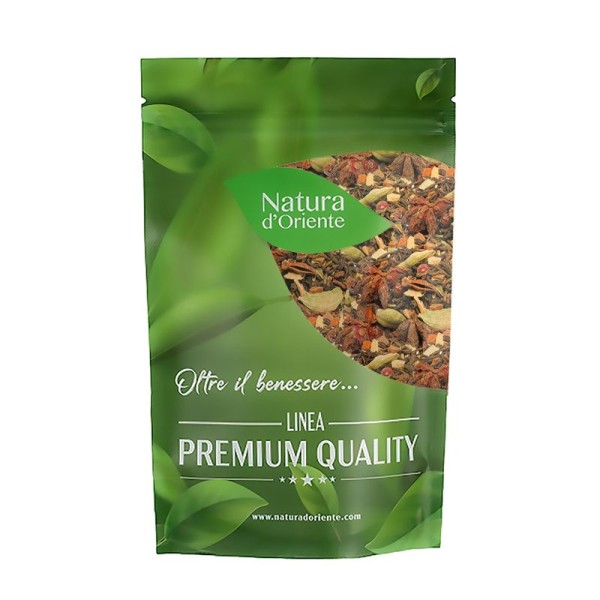
Our loose Pu Erh Chai blend is available in 25g, 50g, 100g, or 300g packages.
For all those who love spices, this is your tea: widespread in India, this black tea is a real explosion of fragrances thanks to cardamom, pepper, cloves and cinnamon which make it an excellent drink all year round. Excellent if drunk with the addition of milk, as in its original preparation, but pleasant even if drunk pure.
The Indian tradition requires that it be boiled, boiling the boil 3 times, in water and milk (2 cups of water + 1 cup of milk) with the addition of brown sugar.
Pu Erh black tea (43%), cinnamon sticks, ginger, green mate, anise, star anise, cardamom, pink pepper, guarana.
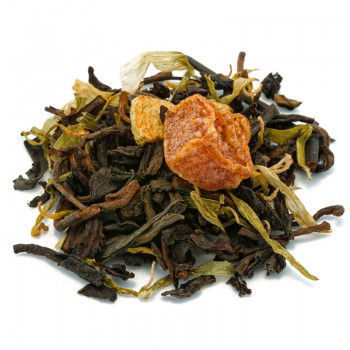
Exotic Pu-Erh Tea is a distinctive blend that combines Pu-Erh tea, known for its earthy flavor and beneficial properties, with an explosion of tropical fruits and citrus notes. This combination creates a rich and complex tea, where the robust flavor of Pu-Erh blends harmoniously with the sweetness of exotic fruits and the lively citrus touch, offering a unique and refreshing tasting experience.
Pu Erh, pineapple (pineapple, sugar), papaya (papaya, sugar), orange peel, natural orange flavour, natural flavour, calendula.
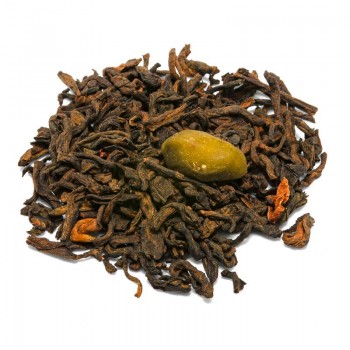
Pistachio makes this tea very delicate on the palate. The bitter taste of this Pu-Erh is put out by the pistachio fragrance leaving in the mouth the desire to taste more.
Ingredients: Pu Erh black tea (93%), pistachios, aroma, peony petals.
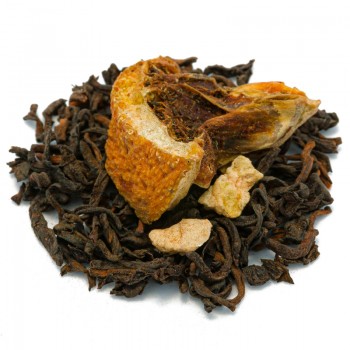
Finally a citrus and fresh tea, refined to be able to taste it freely on hot summer days.
Ingredients: Pu Erh black tea (65%), pieces apple, natural flavor, freeze-dried raspberry pieces, freeze-dried whole raspberries, pink cornflower.
Typical of the Chinese province of Yunnan, perhaps the most famous of fermented teas; It is characterized by its production: in fact, after being harvested, the leaves are dried naturally in the sun. There are various types of Pu Erh and the one we propose is called Tuo Cha (沱茶, tuó chá) or bowl-shaped tea and is the result of the process that is carried out after boiling and drying the tea leaves in the sun to then be pressed into this shape that resembles bird's nests. This tea is pressed into the shape of a bird's nest. As usual in the Chinese tea tradition, Pu Erh is fermented.
* 25g corresponds to approximately 3/4 nests of Pu Erh.
tè Pu Erh nido