NOTICE: POSSIBLE DELAYS IN SHIPMENTS
We would like to inform our valued customers that, due to the protests in Southern Italy, there may be delays in deliveries to Sicily, Puglia, Basilicata, Calabria, Campania, Abruzzo, and Molise. We apologize for any inconvenience.
Reference: 1146
 No reward points for this product.
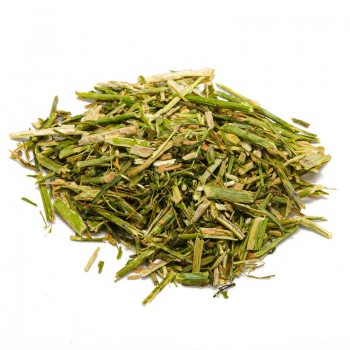
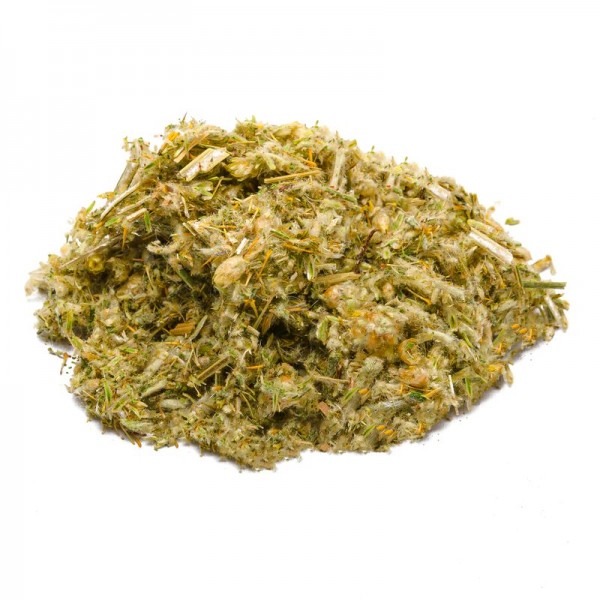
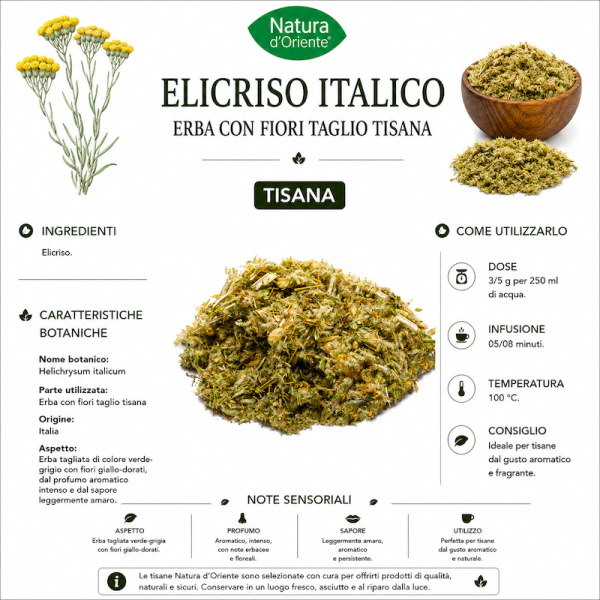
Helichrysum, also known as everlasting or sempiternal, grows in central and southern Italy in arid and rocky areas. An infusion or decoction is useful for bronchitis, catarrh, and rheumatic pain. For external use, it is useful as a compress for chilblains, cold feet, and hands caused by poor circulation.
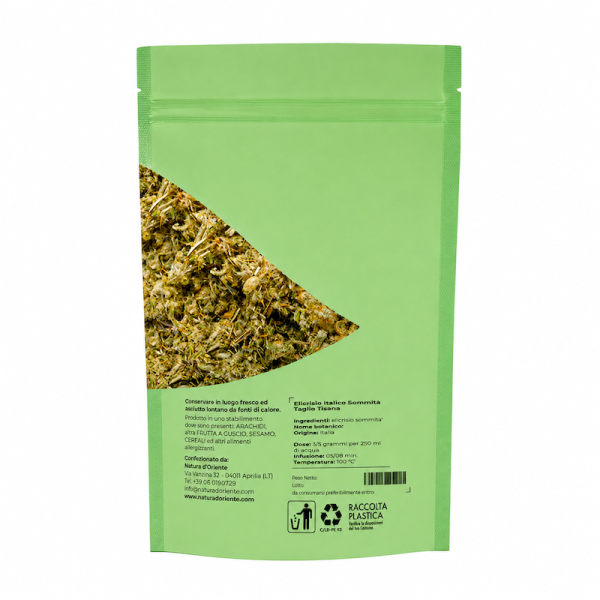
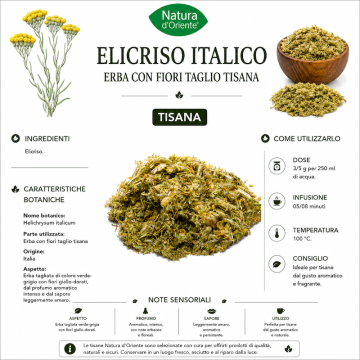
Ingredients: Helichrysum tops
Botanical name:
Origin: Italy
Also known as everlasting, everlasting, or everlasting, the Italian Helichrysum plant has been known for centuries for its characteristics and for the many preparations made from its flowering parts. In herbal tradition, the tops of the plant are used to make beneficial and aromatic herbal teas, with an intense aroma and a delicate, floral, slightly honeyed, and balsamic flavor.
For centuries, Helichrysum infusions and decoctions have been considered a cure-all for seasonal ailments such as colds and coughs. This tradition arose because the properties of Italian Helichrysum are excellent for the well-being of the nose and throat. The herbal tea is used to help thin mucus secretions in the respiratory tract. Thanks to its balsamic effect, it becomes a natural remedy for soothing cough symptoms, helping to thin phlegm.
The active ingredient important for these balsamic and expectorant functions comes from the flowering plant, namely the tops of the Italian helichrysum. It contains a combination of essential oil, organic acids, flavonoids, resins, and mucilages beneficial for the well-being of the nose and throat.
In traditional herbal medicine, the tops cut into teas were also used to promote digestive and liver function. It was considered a purifying plant, and the diuretic tea was used to improve both digestion and liver function.
Furthermore, due to its properties, helichrysum is used as a natural support for microcirculation function. In external applications, it has historically been considered a remedy for relieving the sensation of cold in the extremities. Compresses were used on chilblains to stimulate circulation when hands and feet are very cold. It can also be used in compresses to promote microcirculation.
These traditional uses of the plant, reported for informational purposes only, are not intended to replace the advice of a doctor or healthcare professional.
Helichrysum italicum is a perennial plant of the Asteraceae (Composites) family, and comes in many varieties. Native to the Mediterranean, it is very common throughout Italy, particularly in the Apennines and coastal areas. It grows as a bush, in the wild, on dry, rocky, or sandy soils. Its yellow flowers appear in late spring and summer, the season in which they are harvested. Its name derives from the Greek words helios (sun) and chrysos (gold), because the plant's flower head is bright yellow and because it grows in sunny places.
As a medicinal plant, it has been known since ancient times for its therapeutic properties. It was already known to the Egyptians for the treatment of snake bites and intestinal health. In ancient Greco-Roman times, and throughout the Middle Ages, it was used in compresses to treat burns and inflammation, and in herbal teas and decoctions to treat various ailments.
Only in the twentieth century did the physician Leonardo Santini study its properties, using helichrysum to treat liver and respiratory disorders and to cure headaches. The doctor had noted that the plant was being used in his Tuscan homeland (Garfagnana) with excellent results for respiratory disorders. From there, he began studying the pharmacological and phytotherapeutic properties of helichrysum, and since then, he has continued research into the plant's properties. In addition to its phytotherapeutic uses, helichrysum leaves are used in cooking to flavor meats, stuffings, and pasta dishes with a bitter note, similar to curry or sage. The plant is also used in perfumery, thanks to its intense fragrance.
The Italian helichrysum infusion is made by placing about 3-5 grams of the cut tops in a cup (250 ml) of water at 100°C.
Leave to infuse for 5-8 minutes before drinking. Add honey or sugar, if desired.
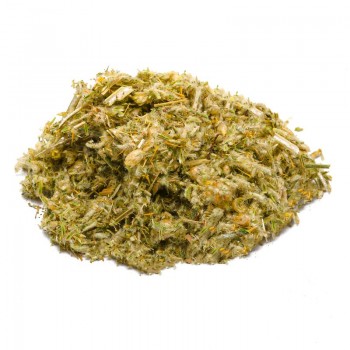
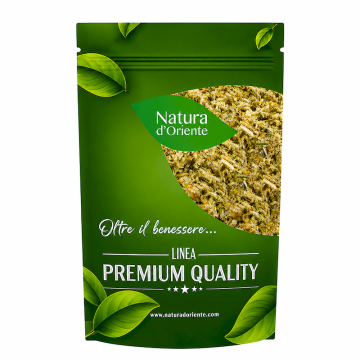
The cut tops, ready for infusion, are a special product, available in specialty stores like Natura d'Oriente. Loose Italian helichrysum with cut tops is available for online purchase on our website. You can order 50g, 100g, or 250g packages.
Data sheet
Specific References
Helichrysum, also known as everlasting or sempiternal, grows in central and southern Italy in arid and rocky areas. An infusion or decoction is useful for bronchitis, catarrh, and rheumatic pain. For external use, it is useful as a compress for chilblains, cold feet, and hands caused by poor circulation.
Ingredients: Helichrysum tops
Botanical name:
Origin: Italy
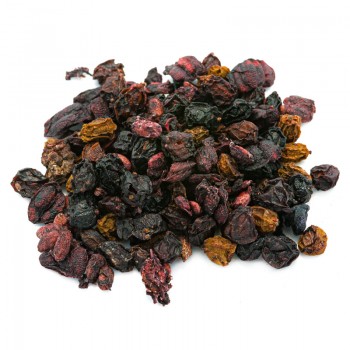
Elderberry berries, is rich in vitamins and minerals, antioxidant, anti-inflammatory, anti-flu, strengthens the immune system, diaphoretic (increases sweating), beneficial for the respiratory tract, improves blood circulation, pain reliever.
Ingredients: pilosella
Botanical name: Sambucus Nigra L.
Origin: Hungary
A natural blend based on eyebright, enriched with selected medicinal herbs, traditionally used for infusions with a delicate and aromatic taste. The fusion of complex vegetal, floral and sweet notes creates a harmony of flavors that leaves a sensation of freshness. Ideal for a warm break of natural well-being during the cold season.
Euphrasia, ginkgo biloba, licorice root, peppermint leaves, nettle leaves, plantain.
Passionflower is a plant with a calming and sedative action on the nervous system. Relax in case of insomnia, irritability, agitation and anxiety, relieving some ailments related to menopause. The tips are also known for its benefits on the digestive system: it is antispasmodic, used to calm colitis and gastritis, gives relief in case of painful menstruation and irritable bowel.
Ingredients: passionflower
Botanical name: passionflower incarnata L. 
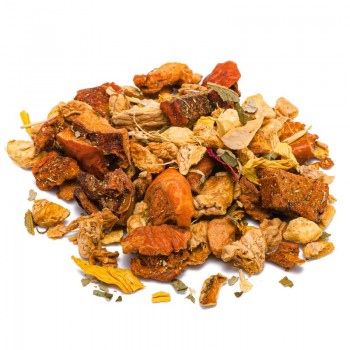
Infused with ginger and sweet honey while still being tasted on the palate, spicy aftertaste just drunk. Combined with honey it is an excellent remedy for the respiratory tract. Nice combination of excellent properties for the body.
pieces of ginger (46%), pieces of apple, flavouring, blackberry leaves, sunflower petals, white cornflowers, pollen.
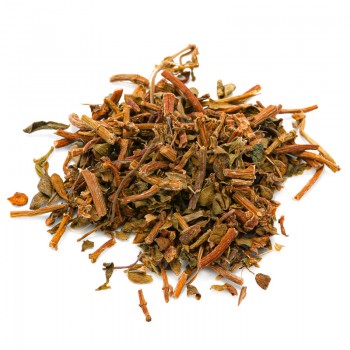
Coltsfoot is a plant known in herbal medicine, as effective against coughs and diseases of the respiratory system. Thanks to its active ingredients, it acts with a balsamic and expectorant effect, useful for promoting the functionality of the upper respiratory tract. Calms the cough, helps to counteract inflammation of the throat and has useful properties for the well-being of the mucous membranes.
Ingredients: coltsfoot
Botanical name: Tussilago Farfara L.
Origin: Balkans
Red clover is known for the beneficial effects of phytoestrogens, which counteract the typical disorders of menopause. Excellent detox herbal tea that purifies the body by promoting diuresis, also provides expectorant support for the well-being of the upper respiratory tract.
Ingredients: Trifoglio rosso
Nome botanico: Trifolium Pratense L.
Origine: Polonia
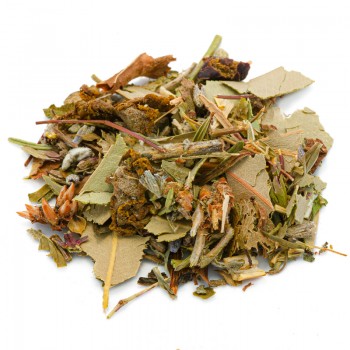
A combination of balsamic herbs that supports our body during flu and colds; in particular, for the expectorant function in the case of cough - oily or dry. Thanks to this mixture, it is possible to create an herbal tea for the wheat, which releases the many herbs with a soothing and emollient action of irritation. A useful combination for phlegm fluidification and expectoration.
eucalyptus, sage, hyssop, rosemary, abrotano, mint, snail, fennel, blueberry leaves, oregano, pine, basil, lavender, mullein flowers, juniper.
Centinodia, also known as correggiola, is a medicinal herb known as a natural diuretic and expectorant remedy. For those who want to expel liquids, it acts effectively in cases of urinary retention resulting from irritation of the kidney and bladder. It also promotes the well-being of the respiratory tract, as an herbal tea to free the bronchi and soothe the symptoms of colds.
Ingredients: centinodia
Botanical name: polygonaceae
Origin: Hungary
Erisimo, also known as the Grass of the Singers, has an anti-inflammatory and soothing function useful for the respiratory tract, in case of colds, sore throats, pharyngitis and laryngitis. Due to its expectorant and anti-irritation action, it is known as an excellent remedy to calm coughs, or throat inflammations resulting from the use of tobacco.
Ingredients: erisimo
Botanical name: Sisymbrium Officinale Scop
Origin: Italy
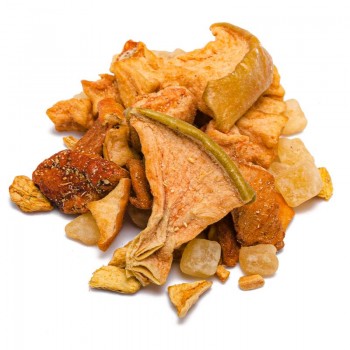
The infusion based on ginger and lemon with slimming, purifying and energizing effects, to get back in shape, purify or to give a healthy gesture to our body. An infusion that combines the benefits of the herbaceous plant with those of ginger and lemon.
pieces of ginger, ginger cubes dehydrated sweetened, pieces of apple, cubes of apple, natural flavors, lemon zest.
Erisimo, also known as the Grass of the Singers, has a function that counteracts throat irritation, soothes the respiratory tract in case of pharyngitis, laryngitis and colds. Due to its natural anti-inflammatory and expectorant action, it is known as the singers' herb that protects the voice. It is an excellent remedy to calm coughs, hoarseness or throat irritations resulting from the use of tobacco.
Ingredients: erisimo
Botanical name : Sisymbrium Officinale (L.) SCOP.
Origin: Italy
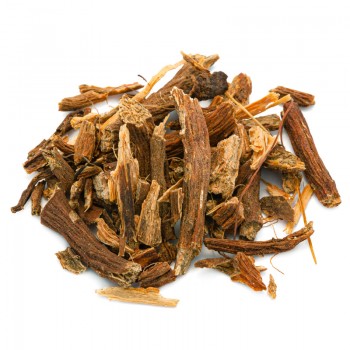
The echinacea root for herbal tea has beneficial properties for the body, known to be immunostimulating and protective of the immune system. The infusion of root strengthens our defenses, it is an excellent remedy for preventing the flu and colds. In addition, its natural anti-inflammatory properties make echinacea suitable for soothing the symptoms of cystitis, sore throat and irritation of the gums.
Ingredients: echinacea root
Botanical name: Echinacea Pallida Nutt.
Origin : Italy
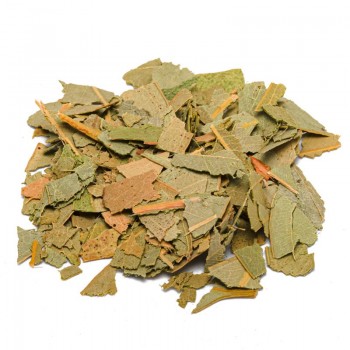
Eucalyptus is a plant known for its balsamic, expectorant and soothing action on the respiratory tract, capable of disinfecting the mouth, throat and tonsils. A eucalyptus herbal tea can be beneficial to decrease congestion and nasal mucus, in case of cooling. It also has a refreshing action on the oral cavity and throat, due to its natural properties.
Ingredients: eucalyptus leaves
Botanical name: Eucalyptus Globulus Labill
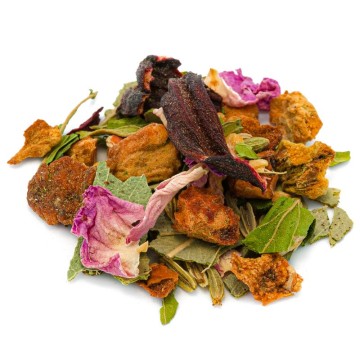
This eucalyptus infusion is recommended as a totally natural and relaxing remedy, also excellent as a purifier of the respiratory tract. An infusion that remains very delicate on the palate, enhancing the scents of eucalyptus leaves, with beneficial inserts of fennel, ginger, moringa, hibiscus flowers and rose. As a balsamic herbal tea, it is ideal when drunk hot, but can also be consumed cold.
eucalyptus leaves, fennel, ginger pieces, apple pieces, hibiscus flowers, moringa leaves (7%), rose petals (3%), eucalyptus oil.
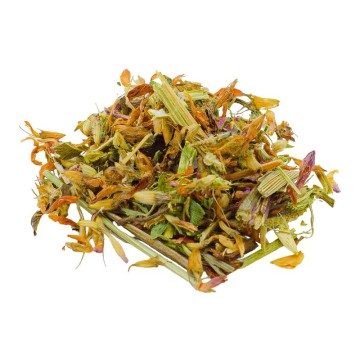
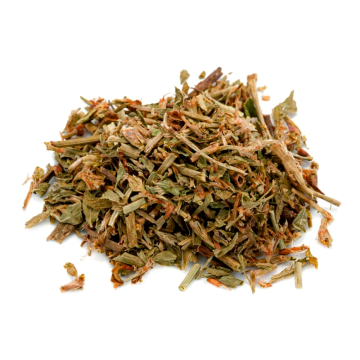
Hypericum, also known by the name of St. John's Wort or Scacciadiavoli, is a plant that has been used for centuries. A good infusion with hypericum leaves and flowers is useful for soothing inflammation of the bronchi and genitourinary tract. Calms the cough, purifies the urinary tract, and improves mood.
Ingredients: St. John's wort
Botanical name: hypericaceae
Origin: Serbia