NOTICE: POSSIBLE DELAYS IN SHIPMENTS
We would like to inform our valued customers that, due to the protests in Southern Italy, there may be delays in deliveries to Sicily, Puglia, Basilicata, Calabria, Campania, Abruzzo, and Molise. We apologize for any inconvenience.
Reference: 1198
 No reward points for this product.
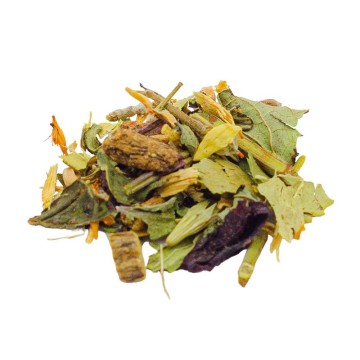
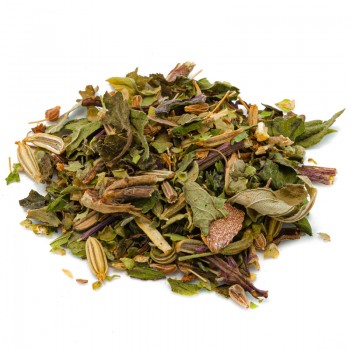
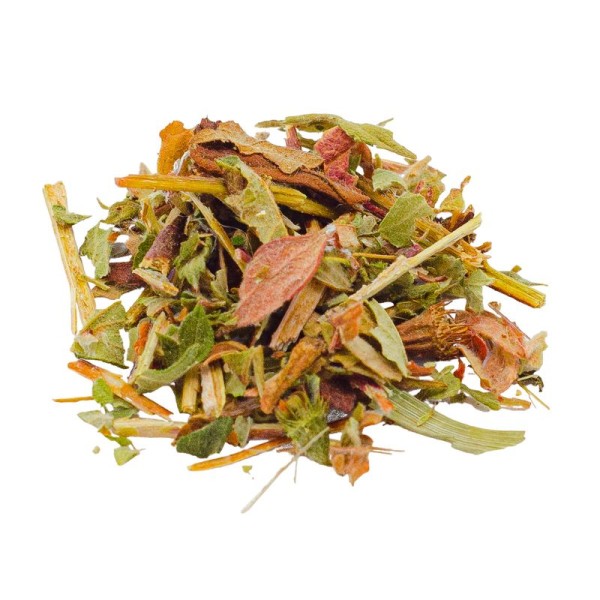
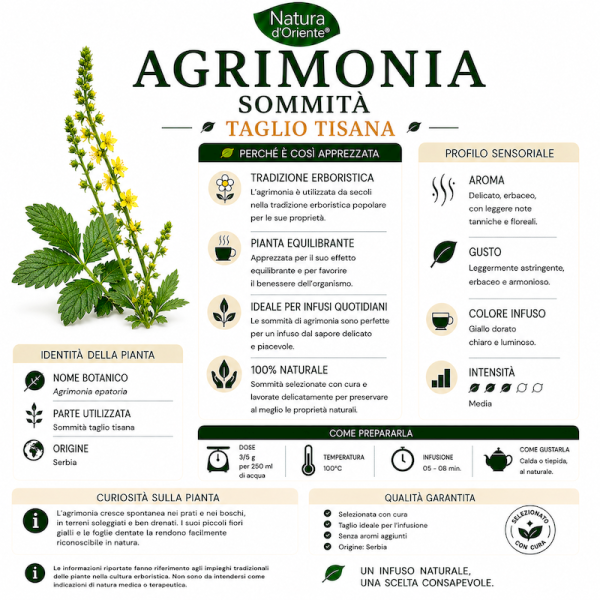
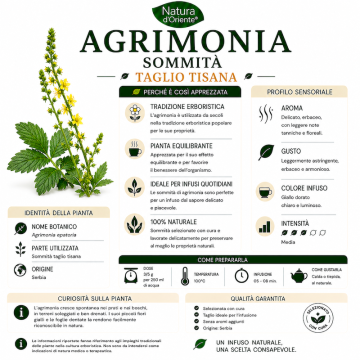
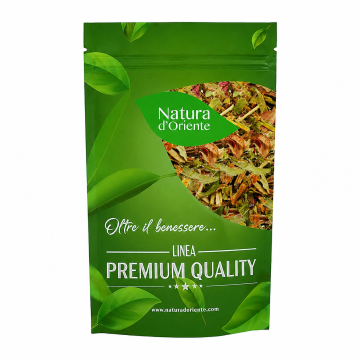
Agrimony is a herbaceous plant belonging to the Rosaceae family, known for its medicinal properties and its traditional use in herbal medicine. The leaves and flowers of agrimony are often used to prepare herbal teas and infusions that are beneficial for health. The plant is characterized by pinnate leaves and yellow flowers with delicate petals, which grow in racemes at the top of the stems. Herbal teas prepared with agrimony are appreciated for their digestive, calming and immune system supporting properties. The aroma of agrimony herbal tea is delicate and slightly herbaceous, while its taste is pleasantly bitter with a slightly sweet aftertaste.
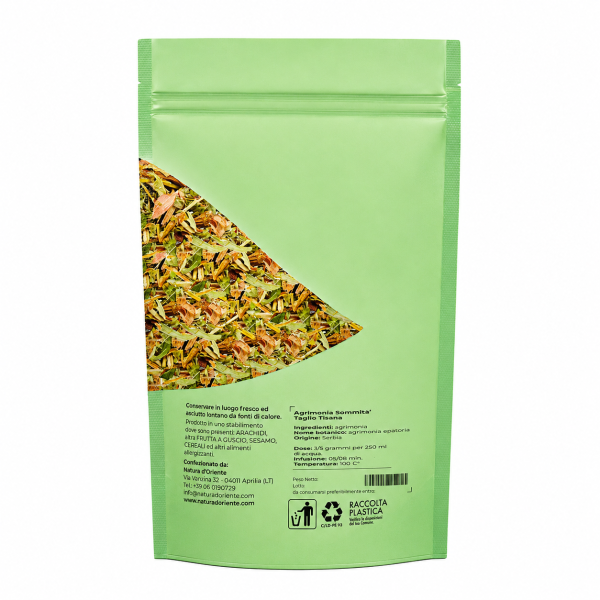
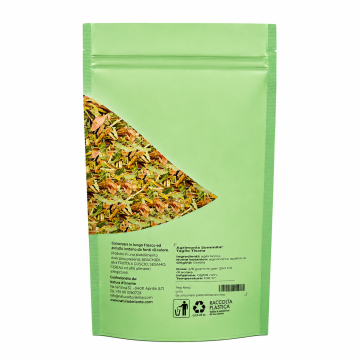
Ingredients: Agrimony
Botanical name: hepatic agrimony
Origin: Serbia
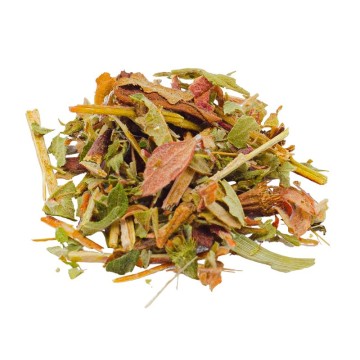
Agrimony tops are the flowering aerial parts of the plant, traditionally dried for use in herbal medicine. In this version, you'll find them loose in herbal tea form, ready for infusions with a strong flavor reminiscent of fresh grass.
Dried Agrimony tops are traditionally used in herbal medicine for their properties. What are Agrimony benefits for? The tops are known to naturally support the digestive system. Their astringent and digestive properties help regulate intestinal transit, with soothing effects on the stomach and intestines. Furthermore, among the beneficial properties of Agrimony tops are those that promote throat health. Agrimony tea can help soothe a sore throat as a natural remedy and helps refresh the mouth when gargled. Agrimony's properties derive from its astringent tannins, essential oils, and antioxidant flavonoids.
In popular tradition, agrimony infusions and decoctions were used for a purifying effect that, in addition to aiding digestion, also supported liver health—perhaps for this reason, it was called "eupatoria." Decoctions were also used for skin applications to soothe minor irritations. These practices, reported for informational purposes only, are based on traditional uses. They are not intended to replace the advice of a healthcare professional and should not be used as a treatment for any health condition.
This particular version of the tops, cut into teas, can be found in herbalist's shops and online natural products stores such as Natura d'Oriente. Agrimony with cut tops is available for sale on our website, loose and ready for infusion. You can order them in 50g, 100g, or 250g quantities, packaged in convenient, stay-fresh packages.
The infusion is obtained by placing about 3-5 grams of cut tops in a cup (250ml) with water at a temperature of about 100°C.
Let it steep for 5-8 minutes before drinking. Add honey or sugar, if desired.
Agrimonia eupatoria is a herbaceous plant belonging to the Rosaceae family, native to Europe and North Africa. For centuries, it has also been widespread in other temperate regions of the Northern Hemisphere, such as Asia and North America.
In Italy, it is a common plant in woods and shady places, but it is also found in sunny meadows or along the coasts – it grows from plains to mountainous regions. It grows best along hedges, at the edges of roads and fields, and it is perhaps from this location that the term Agrimony derives (agro means field).
The plant is characterized by serrated leaves and yellow flowers with delicate petals, which grow in racemes at the top of the stems. This is the part considered useful in herbal medicine, also known as Eupatoria or St. William's Herb.
The term eupatorium likely derives from the plant's qualities, anciently used for liver cleansing (hepatos); according to other authors, it derives from Mithridates Eupator, the ruler who introduced agrimony into phytotherapeutic treatments. Agrimony, cut from the tops for herbal tea or decoction, was used in folk medicine for the liver and rheumatism, and as a tonic for digestion and gastritis. The plant is harvested when it flowers, which occurs from early summer to autumn.
Data sheet
Agrimony is a herbaceous plant belonging to the Rosaceae family, known for its medicinal properties and its traditional use in herbal medicine. The leaves and flowers of agrimony are often used to prepare herbal teas and infusions that are beneficial for health. The plant is characterized by pinnate leaves and yellow flowers with delicate petals, which grow in racemes at the top of the stems. Herbal teas prepared with agrimony are appreciated for their digestive, calming and immune system supporting properties. The aroma of agrimony herbal tea is delicate and slightly herbaceous, while its taste is pleasantly bitter with a slightly sweet aftertaste.
Ingredients: Agrimony
Botanical name: hepatic agrimony
Origin: Serbia
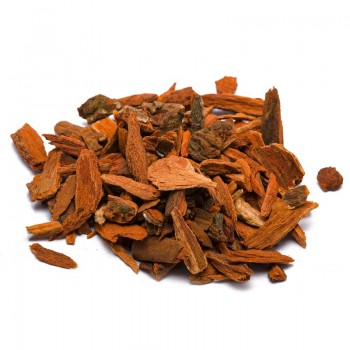
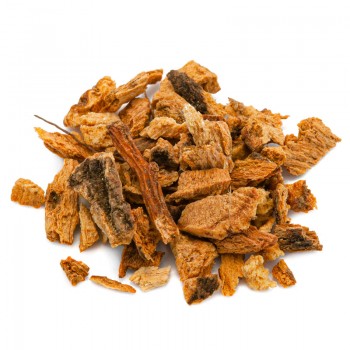
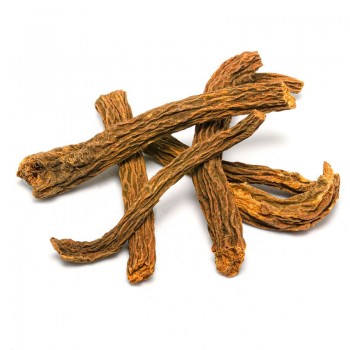
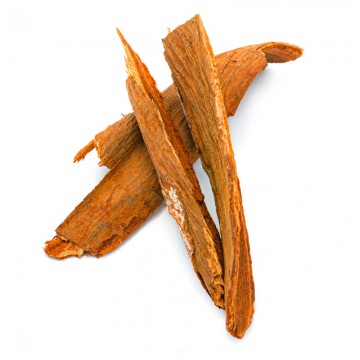
The cinchona bark is used in the form of an infusion or as a decoction, for its purifying and digestive properties, promoting intestinal well-being. It is useful in case of muscle cramps and to relieve feverish pains. Furthermore, the bark is used for the preparation of various aperitifs or liqueurs, having a characteristic bitter taste.
Ingredients: China Bark
Botanical name: cinchona succirubra
Origin: Indonesia
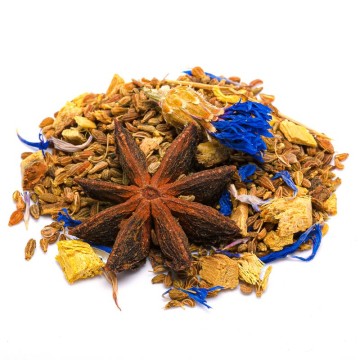
The infusion of star anise and licorice creates a delicious combination, with characteristics that are good for the human body. It can reduce intestinal swelling, and is a useful infusion as a digestive after heavy meals, or for foods that are difficult to assimilate. Anise and licorice are also useful in case of constipation, and as expectorants for coughs and colds.
anise seeds, star anise, licorice (21%), cornflower, natural flavor.
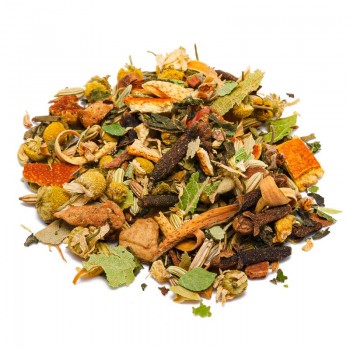
This ginger and fennel infusion, as well as being good and delicate on the palate, has really beneficial properties for our body. Its draining and refreshing action is better than many medicines, and is a healthy natural remedy.
fennel, ginger, chamomile, cinnamon, lime, nettle, strawberry leaves, ginger, fennel, chamomile, cloves, marigold flowers, natural flavors.
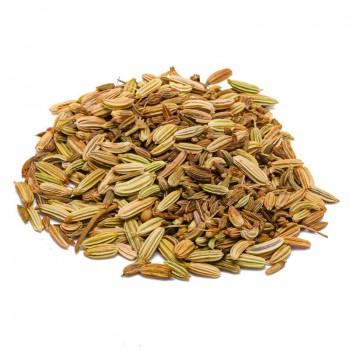
The infusion of fennel and anise is perfect for relieving the annoying abdominal bloating, which often occurs after meals. In addition, it can relieve the swelling that affects many women during the menstrual cycle, and contains phytoestrogens useful for female well-being. This health infusion takes advantage of the properties of two ingredients that are truly precious for our well-being, combining them in a good, as well as healthy drink.
fennel (44%), anise (40%), cumin.
This combination is designed to naturally promote proper digestion, avoiding stomach swelling after meals. The blend provides various herbs, leaves and flowers against meteorism and intestinal gas formation. To be drunk after meals and in the evening, to aid digestion before falling asleep.
fennel, lime, licorice, elecampane, mint, lemon balm, orange leaves, hyssop, hibiscus, sassafras, lime flowers and bracts, condurango, rosemary, centaury, lavender.
The root of this plant is widely used in the preparation of excellent liqueurs, and for an herbal tea with excellent digestive properties. Gentian increases salivary secretion, and for this reason it is considered an excellent aperitif and stimulant of appetite. Gentian herbal tea is also known as a treatment to soothe some symptoms of indigestion and promote stomach well-being.
Ingredients: gentian root
Botanical name: gentian lutea L.
Origin: France
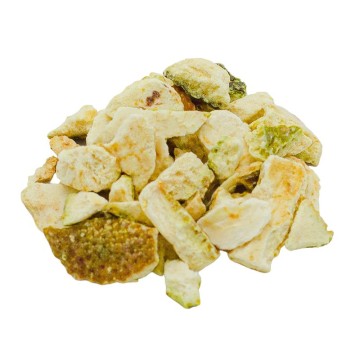
The bergamot peels cut for herbal tea are obtained from the peel of the fruit, carefully dried and cut to facilitate a perfect infusion. They release an intense, fresh and citrusy aroma, typical of bergamot, making them ideal for herbal teas, infusions and aromatic blends. Traditionally used for their refined aromatic profile, they are also appreciated for herbal preparations and natural drinks with a balanced and fragrant taste.
Ingredients: Bergamot pericarp tt
Botanical name: Citrus Bergamia Risso & Poit
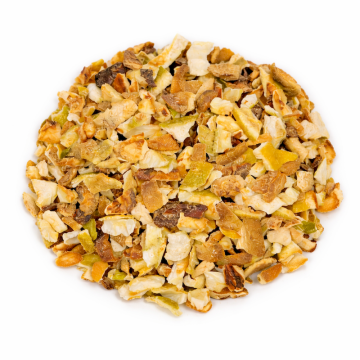
The peel of the bitter orange, botanically known as the pericarp, makes an aromatic infusion that is beneficial for digestion. The cut pericarp makes a bitter-tasting infusion, considered useful as a tonic and to promote the elimination of intestinal gas.
Ingredients: Bitter orange pericarp
Botanical name: Citrus aurantium var. amara L.
Origin: Tunisia
The root of this plant is widely used in the preparation of excellent liqueurs with a strong flavor and digestive properties par excellence. Gentian increases salivary secretion, is an excellent aperitif, also known as a treatment to soothe some symptoms related to digestion and promote the well-being of the stomach.
Ingredients: gentian root
Botanical name: genziana lutea L.
Origin: France
Preparation of liqueur: 100g of whole root gentian, 4 liters of white wine, 1 kg of sugar, 1 liter of alcohol.
A natural blend with anise, fennel, mint and other medicinal herbs traditionally used for aromatic infusions with a refreshing and light taste. It allows you to savor particular vegetal, sweet and spicy nuances, enjoying intense and warm aromas with a citrus note. Ideal for a moment of relaxation after meals and before bed: the harmony of a natural lifestyle.
anise, fennel, mint, marjoram, lemon balm, southernwood, angelica, rapontico.
Salicaria Composta is a natural blend that enhances salicaria, a plant with ancient origins and appreciated for its delicacy. Together with other selected herbs, it offers an infusion with a soft and pleasantly herbaceous flavor. Perfect for those who love light and authentic herbal teas, this composition is born from a careful selection of medicinal plants and a processing that respects their natural properties, to guarantee quality and authenticity in every cup.
salicaria, cinchona, angelica, fennel, chicory, parietaria, dandelion leaves, rosemary, juniper, elecampane, licorice, chamomile, alchemilla, hops.
This infusion with toasted licorice is notoriously recommended especially for the winter months when we are more subject to infections in the respiratory tract, because it is used as a calming remedy against inflammation of the throat and lungs and gastrointestinal tract.
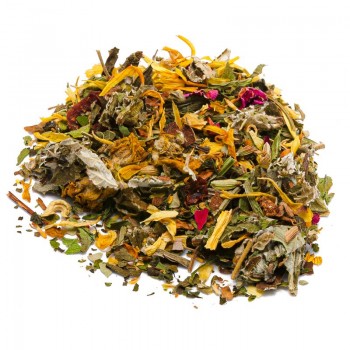
raspberry leaves, fennel, rosehip, anise, apple pieces, blackberry leaves, plantain, wild strawberry leaves, mint, sunflower petals, elderflower, lemon balm, marigold petals, rose petals, mullein flowers , aroma.
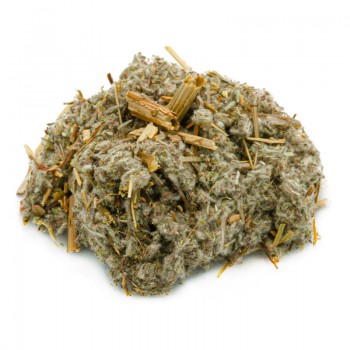
Absinthe is a bitter plant in all its parts, but with many beneficial properties. It is able to act as a digestive herbal tea, appetite stimulant, and as a deworming herb. It has very useful properties for female well-being, to regulate the physiological menstrual rhythm and counteract amenorrhea. In addition, it is a natural tonic against stress.
Ingredients: Pontic wormwood
Botanical name: Artemisia Vallesiaca ALL.
The cinchona bark is used in the form of an infusion or as a decoction, for its purifying and digestive properties, promoting intestinal well-being. It is useful in case of muscle cramps and to relieve feverish pains. Furthermore, the bark is used for the preparation of various aperitifs or liqueurs, having a characteristic bitter taste
Ingredients: cinchona bark
Botanical name: cinchona succirubra
Origin: South America