
NOTICE: POSSIBLE DELAYS IN SHIPMENTS
We would like to inform our valued customers that, due to the protests in Southern Italy, there may be delays in deliveries to Sicily, Puglia, Basilicata, Calabria, Campania, Abruzzo, and Molise. We apologize for any inconvenience.
Reference: 0671
 No reward points for this product.
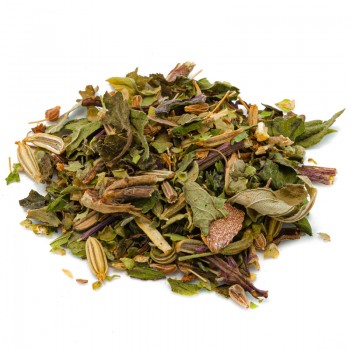
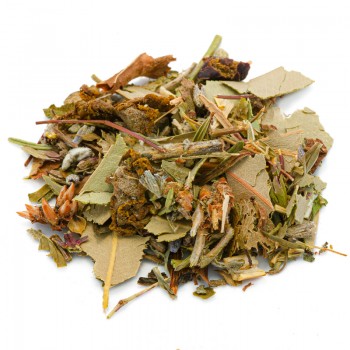
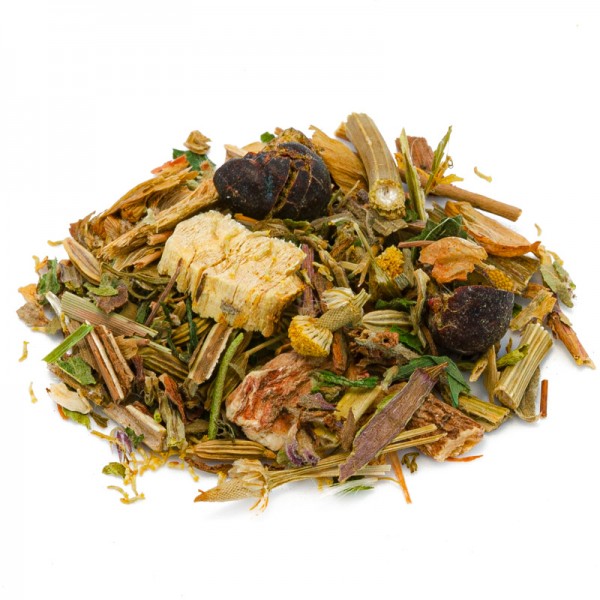
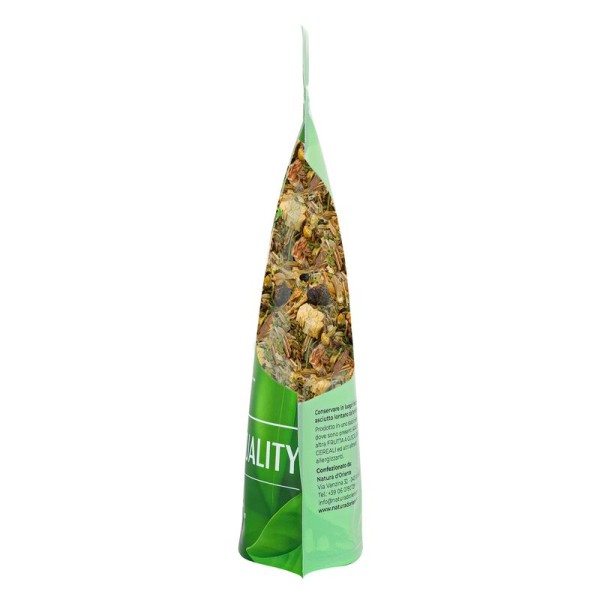
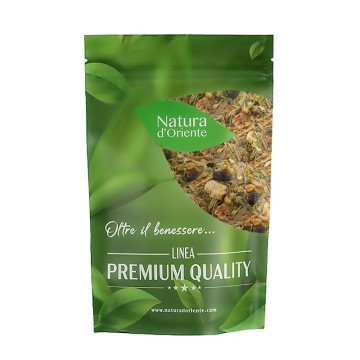
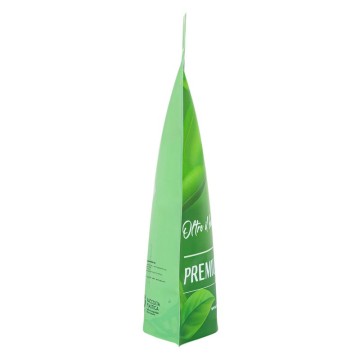
Salicaria Composta is a natural blend that enhances salicaria, a plant with ancient origins and appreciated for its delicacy. Together with other selected herbs, it offers an infusion with a soft and pleasantly herbaceous flavor. Perfect for those who love light and authentic herbal teas, this composition is born from a careful selection of medicinal plants and a processing that respects their natural properties, to guarantee quality and authenticity in every cup.
salicaria, cinchona, angelica, fennel, chicory, parietaria, dandelion leaves, rosemary, juniper, elecampane, licorice, chamomile, alchemilla, hops.
This combination is designed to deliver a complex and authentic flavor on the palate, rich in bold nuances.
It contains a blend of aromatic leaves and herbs, roots, flowers, and fruits that restore the authenticity of natural herbal teas. The taste experience transitions from bitter and balsamic notes to floral and sweeter flavors. The main aromas of loosestrife, cinchona, and chicory are intense and refined, providing a deep structure, which is lightened by the fresh and aromatic herbaceous notes of rosemary, pellitory of the wall, and juniper.
The complexity of this blend also includes sweet and spicy nuances from fennel, licorice, and angelica, intertwined with floral notes of lady's mantle and chamomile, which are perceived in the final taste. An aromatic infusion, perfect for a wellness break with a natural flavor, ideal as an after-meal herbal tea due to its pleasantly bitter taste.
The Salicaria-based blend contains several plants that have been used for centuries to make aromatic and light after-meal herbal teas. Most medicinal herbs have been present in Europe since time immemorial, and today all the ingredients are available dried and ready for infusion.
Lythrum salicaria is a flowering plant belonging to the Lythraceae family. This herbaceous perennial is native to Europe and Asia, and possibly Australia. It grows to about 1.5 meters tall, with an erect stem, curled leaves, and pink flowers; It is covered with fine reddish hairs.
Lady's mantle, or Alchemilla vulgaris, is a perennial plant belonging to the large Rosaceae family. It grows wild in central and western Europe, particularly in mountain forests and meadows. The stem is tall, the leaves are palmate and toothed, and the flowers are summer flowers.
The Elecampane plant (Inula helenium) belongs to the Helenium species. It is native to Central Asia but quickly spread to Europe for medicinal purposes. It grows preferably in uncultivated land, in woods, among ditches, and in grassy pastures.
Licorice, or Glycyrrhiza glabra, is part of the Fabaceae family. It is a perennial plant native to southwest Asia and the Mediterranean region. Its roots provide a sweet substance, glycyrrhizin. To grow, it requires deep, fertile, and moist soil. Matricaria chamomilla belongs to the Asteraceae family. It produces daisy-like, sweet-scented flowers, collected for medicinal purposes. It exists in two similar varieties: German chamomile (Matricaria recutita, or Chamomilla recutita) and Roman chamomile (Chamaemelum nobile).
Cinchona (Cinchona spp.) is one of 38 evergreen species in the Rubiaceae family. They range from small shrubs to large trees (up to 15 m), and the most commonly used part is the bark. The best-known species are Cinchona officinalis, Cinchona ledgeriana, and Cinchona succirubra.
Angelica archangelica is a plant belonging to the Apiaceae/Umbelliferae family, widespread in Europe. It grows wild in mountainous areas, woodlands, and humid terrain, reaching a height of up to 2 m. It features edible stems and roots, large leaves, and greenish-white flowers. Fennel, with the botanical name Foeniculum vulgare, is a plant in the Apiaceae (Umbelliferae) family. It originates from the Mediterranean coast, although today it is widespread in many parts of the world. It prefers arid soils, near the sea and on riverbanks.
The chicory plant, Cichorium intybus, is a perennial herb in the Asteraceae family. It grows to about 120 cm tall, displaying erect, almost leafless stems adorned with numerous light-blue flowers. It has a large, fleshy root and leaves known to be edible.
Parietaria is a plant of tropical origin and belongs to the Urticaceae family. Now widespread in Europe, it gets its name from its growth between walls, cracks in walls, and along roadsides. Up to 70 cm tall, it features a cylindrical stem, oval leaves, and small green flowers.
Dandelion (Taraxacum officinale) is a perennial plant in the Asteraceae family. Also known as dandelion or blowball, it grows wild in a variety of soils and climates. It produces yellow-orange flowers and edible leaves that grow at the base of the plant. Rosemary (Salvia rosmarinus) is a shrub in the Lamiaceae family. It is known for its culinary use; it blooms from autumn to spring, producing aromatic linear leaves, green on top and whitish underneath.
Juniper (Juniperus) is a genus of conifers containing over 50 species, part of the Cupressaceae family. The plant is highly adaptable and reaches up to 12 m in height, but is generally smaller; the berries take about 3 years to ripen. Hops or Humulus lupulus, is a species of perennial plant of the hop family.Cannabaceae. Native to Europe, western Asia, and North America, it is a climbing plant that produces new shoots in early spring and dies in autumn, with a cold-resistant rhizome.
The infusion is made by adding about 3-5 grams of the Salicaria Composta blend to a cup (250 ml) of water at 100°C.
Let it steep for 8 to 10 minutes before drinking the herbal tea. Enjoy it plain, or sweeten it with a touch of honey for a smoother taste.
The blend is generally well tolerated for use in herbal teas, but it is recommended to avoid consumption if you are allergic or intolerant to any of the individual ingredients. It is advisable not to consume the herbal tea for prolonged periods and to follow the recommended doses. The herbal tea is not recommended for pregnant or breastfeeding women.
Salicaria Composta is a natural blend that enhances salicaria, a plant with ancient origins and appreciated for its delicacy. Together with other selected herbs, it offers an infusion with a soft and pleasantly herbaceous flavor. Perfect for those who love light and authentic herbal teas, this composition is born from a careful selection of medicinal plants and a processing that respects their natural properties, to guarantee quality and authenticity in every cup.
salicaria, cinchona, angelica, fennel, chicory, parietaria, dandelion leaves, rosemary, juniper, elecampane, licorice, chamomile, alchemilla, hops.
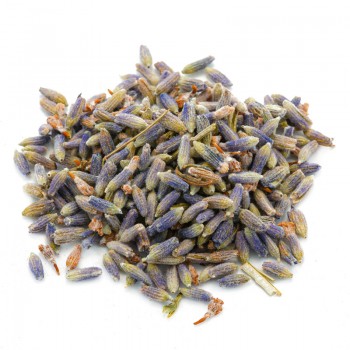
Lavender flowers are an excellent natural remedy for insomnia, stress, and to soothe headaches. In addition, this plant can help the well-being of the respiratory tract. Outdoors, the infusion can soothe itching from insect bites and acne inflammations. Lavender flowers retain their aroma for a considerable time.
Ingredients: lavender
Botanical name: Lavandula Hybrida
Origin : various continents
Compound senna is made specifically for those who have problems with constipation, promoting the purification of the body. These medicinal plants are notoriously known for their laxative properties. Senna leaves, elderberry and other herbs in the purgative herbal tea are all intended to solve the problem of constipation and regulate the intestine.
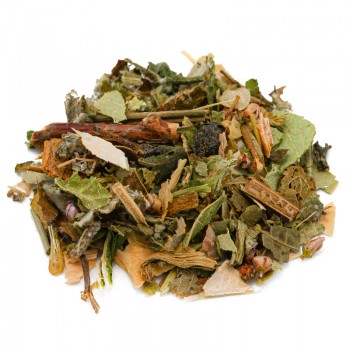
senna leaves, licorice, fallax, mint, elderberry, wheatgrass, vilucchio, parietaria, cuscuta, mentastro, anise, sweet orange, helichrysum stoechas.
A natural blend based on eyebright, enriched with selected medicinal herbs, traditionally used for infusions with a delicate and aromatic taste. The fusion of complex vegetal, floral and sweet notes creates a harmony of flavors that leaves a sensation of freshness. Ideal for a warm break of natural well-being during the cold season.
Euphrasia, ginkgo biloba, licorice root, peppermint leaves, nettle leaves, plantain.
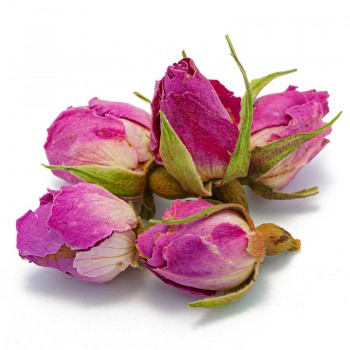
An infusion with rosebuds helps the body and the immune system, to relieve bronchitis and pharyngitis. They perform a soothing function on the oropharyngeal mucosa, voice drop and respiratory system.
Ingredients: rosebuds
Botanical name: Rosa Gallica L.
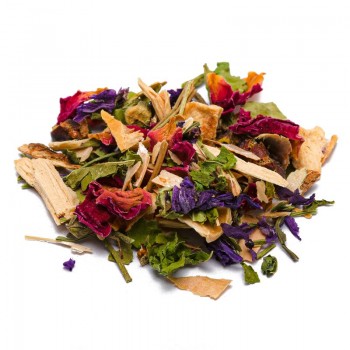
A natural blend with anise, fennel, mint and other medicinal herbs traditionally used for aromatic infusions with a refreshing and light taste. It allows you to savor particular vegetal, sweet and spicy nuances, enjoying intense and warm aromas with a citrus note. Ideal for a moment of relaxation after meals and before bed: the harmony of a natural lifestyle.
anise, fennel, mint, marjoram, lemon balm, southernwood, angelica, rapontico.
Damiana Composta is a selection of medicinal herbs designed to offer an infusion with an intense and aromatic taste, ideal to sip at any time of the day. The blend combines plants traditionally used for the preparation of natural herbal teas, inspired by the European and South American herbal tradition.
damiana, lemon balm, muira puama, savory nut, helichrysum, verbena, parsley , hyssop.
Orange blossoms can be used alone for a calming herbal tea, or added together with a blend of medicinal herbs, as desired. They possess expectorant properties against colds, thanks to vitamin C, and promote proper digestion. The relaxing characteristics of orange blossom are useful in cases of insomnia, anxiety and stress.
Ingredients: orange blossom
Botanical name: Citrus aurantium
Origin: Middle East
Burdana Composta is a natural blend ideal for preparing herbal teas. A selection of traditionally appreciated herbs for an infusion with an authentic and pleasant taste.
burdock, nettle, verbena, yarrow, elderberry, sarsaparilla, pellitory, birch, couch grass, gentian.
Uva Ursi Composta is a blend of natural herbs centered on the bearberry, a plant traditionally appreciated for its robust character and its properties. Combined with other selected medicinal plants, this herbal tea offers an intense and slightly bitter flavor, perfect for those looking for authentic and decisive flavors. The quality of the raw materials and the attention to processing guarantee a genuine product, inspired by the most ancient tradition of herbal infusions.
bearberry, birch, horsetail, nettle, restharrow, goldenrod, mint, dog rose, blueberry, herniaria, linden flowers and bracts, hedge mustard.
It has an important diuretic, draining and purifying action on the body and is an excellent anti-inflammatory and anti-rheumatic. Much appreciated by women who want to eliminate toxins and cellulite.
Ingredients: moringa
Botanical name: moringa oleifera Lam
Origin: India
A combination of balsamic herbs that supports our body during flu and colds; in particular, for the expectorant function in the case of cough - oily or dry. Thanks to this mixture, it is possible to create an herbal tea for the wheat, which releases the many herbs with a soothing and emollient action of irritation. A useful combination for phlegm fluidification and expectoration.
eucalyptus, sage, hyssop, rosemary, abrotano, mint, snail, fennel, blueberry leaves, oregano, pine, basil, lavender, mullein flowers, juniper.
Composed Bean is a natural blend that enhances the traditional properties of the bean pod, expertly combined with other selected herbs. Designed for those who appreciate infusions with a simple but genuine profile, this compound offers a delicate and slightly herbaceous taste, ideal to accompany a natural lifestyle. The careful choice of plants and the respectful processing of raw materials guarantee an authentic and high-quality product.
beans pods, dandelion, nettle, eucalyptus, artichoke, burdock, blueberry, alchemilla, heather, myrtle, walnut, sage, hops, agrimony.
Compound Parsley is a natural blend that combines parsley, known since ancient times for its multiple uses, with other selected herbs. Ideal for those who want an infusion with a fresh and slightly aromatic taste, this composition expresses the authenticity of wild plants. The careful processing and respect for the natural characteristics of the herbs guarantee a high-quality herbal tea, perfect for those looking for a simple and natural moment of well-being.
parsley rad, beans, horsetail, rose, elderberry wood, bistort, juniper, mallow leaves, mallow flowers
Compound Horsetail is a balanced blend of carefully selected herbs. At the center we find horsetail, an ancient plant known for its robustness and strong character, combined with other species that complete its aromatic profile. This herbal tea stands out for its delicate but characteristic taste, perfect for those who want to indulge in a natural infusion, an authentic expression of the properties of herbs.
horsetail, couch grass, corn, bearberry, pellitory, cypress, fennel, asparagus, birch, elderberry, mint, hibiscus, eucalyptus.
This combination is designed to naturally promote proper digestion, avoiding stomach swelling after meals. The blend provides various herbs, leaves and flowers against meteorism and intestinal gas formation. To be drunk after meals and in the evening, to aid digestion before falling asleep.
fennel, lime, licorice, elecampane, mint, lemon balm, orange leaves, hyssop, hibiscus, sassafras, lime flowers and bracts, condurango, rosemary, centaury, lavender.
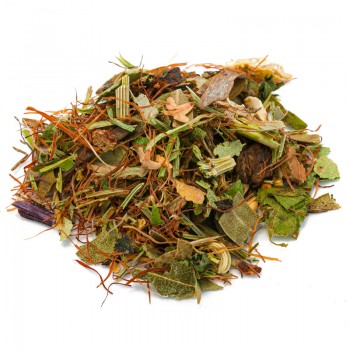
Discover the aroma and taste of this mix of herbs, selected for their energizing properties. A mixture prepared to give an intense energy boost, revitalize the body and the attention of the mind. Ideal in moments of psycho-physical tiredness or the need for high performance, it is a herbal tea with a powerful effect.
nettle, spearmint, rosehip, licorice, goji berries, mallow, marigold, guarana.