



NOTICE: POSSIBLE DELAYS IN SHIPMENTS
We would like to inform our valued customers that, due to the protests in Southern Italy, there may be delays in deliveries to Sicily, Puglia, Basilicata, Calabria, Campania, Abruzzo, and Molise. We apologize for any inconvenience.
Reference: 1157
 No reward points for this product.
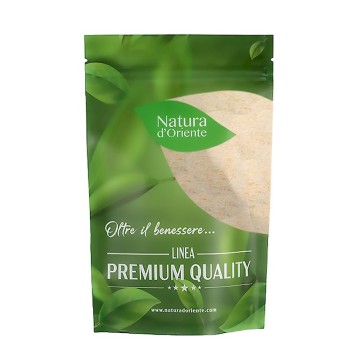
Grown in Thailand, it is a rice with a floral aroma, with a thin grain; exquisite and delicate in its softness when cooked. Its oriental name Kao Hom Mali means "rice with the aroma of jasmine": for this reason Jasmine Royal is ideal to accompany the most refined vegetable and fish dishes. It is not very creamy, therefore excellent for rice salads and side dishes, less so for risottos.
scented jasmine rice
Perfect for bringing a uniquely aromatic rice to your table, this variety is intense in both flavor and fragrance. It is the ideal ingredient for Asian-inspired dishes and creative culinary recipes.
Named after the jasmine flower, this variety of rice originates from Thailand—which is why it is sometimes referred to as "fragrant Thai rice." It features long, slightly rounded grains with a pearly-white luster; this distinctive shape is complemented by a delicate aroma and flavor, characterized by subtle nutty and floral notes. When cooked, it takes on a soft, fluffy texture—a quality that has made it increasingly popular in recent years for light, rice-based dishes. In particular, this "Royal" Jasmine variety is renowned for its fragrant aroma and delicate consistency. Its finest grains embody the essence of Thai culinary tradition while proving versatile enough to complement dishes from any culture. Its superior quality and adaptability make this Thai rice a highly valued staple among chefs, whether used as a primary ingredient or as a side dish.
Like other types of rice, this grain can be cooked by boiling or steaming, provided that its specific characteristics are taken into account.
When boiling, use at least twice as much water as the volume of the rice (2 cups of water for every 1 cup of rice). The exact water-to-rice ratio can be adjusted based on whether you prefer the grains to be very soft or al dente (which requires less water).
Bring the water to a boil, then add a pinch of salt. It is helpful to stir occasionally to prevent any grains from sticking to the bottom of the pot.
Once the water reaches a boil, reduce the heat to medium and continue cooking for about 6–7 minutes (following the package instructions, or until the water has been absorbed). Keep the lid partially on, leaving just enough space for steam to escape. Turn off the heat and let the rice rest, covered, for a few minutes—ideally, all the water should have evaporated by this point. Fluff the rice with a fork before serving.
As for whether Jasmine rice should be washed, it depends on your culinary preference. It is typically rinsed before cooking to remove surface starch, resulting in light, distinct grains (ideal for rice salads, sushi, or stir-fried rice). However, Jasmine rice is particularly rich in starch—the very component that makes it sticky when cooked. Consequently, its natural viscosity helps the grains hold together, even after rinsing.
A useful characteristic of Thai rice is its ability to retain its flavor, moisture, and nutritional value long after cooking. You can store Jasmine rice in the refrigerator and use it later in recipes that call for leftover rice, such as fried rice.
First courses: With its long, slender grains and signature floral fragrance, it is perfect for steamed rice dishes, pilafs, stir-fried rice recipes, and rice soups. Its texture also makes it well-suited for rice salads—whether exotic or traditional—as well as for one-pot meals served with various side dishes. Excellent when paired with vegetables and ingredients with deep, complex flavor notes, which accentuate its floral aroma through contrast.
Main courses: fragrant Thai rice pairs well with fish and seafood, especially when served alongside vegetables. It is exquisite in aromatic rice croquettes and is also used for sushi or as an accompaniment to meat-based curries. It is perfect for stir-fried dishes—for instance, combined with tofu or other vegetarian ingredients.
Thai recipes: traditional Thai cuisine features a wide array of dishes using fragrant Jasmine rice, varying in preparation methods and pairings. It complements almost any Thai or Southeast Asian dish—such as spicy, creamy curries—thanks to its soft, fluffy texture. It is delicious in spicy seafood salads and pairs beautifully with coconut-based dishes. Because of its slightly sticky quality, it is ideal for Asian-style recipes intended to be eaten with chopsticks.
Desserts: fragrant Thai rice is also used to create sweets and rice puddings, thanks to its delicate flavor and floral aromatic profile. To intensify the flavor and the jasmine-like aroma, you can add ingredients such as lemon, vanilla, or cardamom to the preparation.
Ingredients: 400 grams of chicken breast – 1 shallot – 1 red chili – 1 red bell pepper – 1 stalk of lemongrass – 2 tablespoons of olive oil (or vegetable oil) – 10 g of ginger-garlic paste – 30 g of Panang curry paste – 2 g of chili flakes – 10 ml of Thai fish sauce – 200 ml of coconut milk – 100 ml of water – 1 lime – 150 g of Royal Fragrant Jasmine Rice. For the garlic and ginger paste...ginger: a pinch of fine salt - 5 g garlic - 5 g fresh ginger - 15 ml extra virgin olive oil – salt to taste. Preparation Prepare the garlic-ginger paste: rinse, dry, and peel the ginger; peel the garlic. Place the garlic and ginger in a food processor, add the salt, and gradually pour in the oil while the blades are running. Once a thick, well-combined paste is formed, transfer it to a glass container and set aside.
Cut the chicken and set aside. Peel and chop the shallot; finely slice about 4 cm of lemongrass. Thinly slice the bell pepper, removing the seeds.
Rinse the jasmine rice and bring it to a boil in 300 ml of water (twice its weight) in a pot. Once it reaches a boil, reduce the heat and cover. Cook for about 7 minutes, or until the water has been absorbed and the rice is cooked through.
Remove the pot from the heat and keep the rice covered until ready to serve. Now, prepare the curry: heat a pan over medium heat with a drizzle of oil. Add the shallot and a pinch of salt. Sauté for about 2–3 minutes, then add the garlic-ginger paste, the Panang curry paste, and the thinly sliced lemongrass. Sauté for another 2 minutes. Add the chicken, bell pepper, and chili flakes. Cook for an additional 2 minutes. At this point, add the coconut milk, 100 ml of water, and the remaining large piece of lemongrass. Let it simmer over low heat—without bringing it to a boil—for another 10 minutes (or until the chicken is cooked through and the sauce has thickened). Stir the fish sauce and a final squeeze of lime into the curry, then remove the piece of lemongrass. Serve the Thai Panang chicken curry with jasmine rice and garnish with lime wedges.
Including this rice in your diet provides the body with carbohydrates while remaining low in fat. It contains protein and fiber, which help regulate intestinal transit and make it easy to digest. It has an emollient and soothing effect on the digestive system and helps control gastric acidity. Jasmine rice is also valued in many diets for its other nutritional qualities, as it contains micronutrients—such as folate, minerals, and vitamins—that are beneficial to the body. This grain is a staple food in many cultures and has no specific contraindications; however, those who need to maintain a low glycemic index should take its starch and sugar content into account.
This grain originated in Thailand, where it has been used for centuries—dating as far back as the 6th century—as a cornerstone of Thai and Southeast Asian cuisine. Today, jasmine rice—known in its native language as *Khao Hom Mali*—is also cultivated in Cambodia, Laos, and Vietnam. Originating from these regions, this rice has become known worldwide; it is frequently imported from the fertile rice paddies of Thailand, where it finds ideal growing conditions. In the traditional cuisine of Southeast Asia, this grain is also used to produce rice wine and rice vinegar (a condiment obtained through the fermentation of rice flour).
What is the difference between Basmati rice and Jasmine rice? In terms of flavor, the light, floral aroma of Jasmine rice is distinct from the nutty, less sweet taste of Basmati. Although both are long-grain varieties, they have different textures—Jasmine rice is softer and stickier, whereas Basmati tends to be firmer and chewier. Provenance is, of course, a key factor: Jasmine rice comes from Thailand, while Basmati rice was originally cultivated on the Indian subcontinent (India, Pakistan, Sri Lanka, and Nepal).
Where can you buy authentic, fragrant Jasmine rice? If you are looking for this specific variety (100% Thai Hom Mali), you can order it from our eShop, Natura d'Oriente. Our "Royal" selection consists of high-quality, long-grain rice, available online in 500g, 1kg, or 2kg packs—offering the best balance of value, quantity, and quality.
Data sheet
Grown in Thailand, it is a rice with a floral aroma, with a thin grain; exquisite and delicate in its softness when cooked. Its oriental name Kao Hom Mali means "rice with the aroma of jasmine": for this reason Jasmine Royal is ideal to accompany the most refined vegetable and fish dishes. It is not very creamy, therefore excellent for rice salads and side dishes, less so for risottos.
scented jasmine rice
This red rice is aromatic and prized, born in Italy from the union of Venere rice with an elongated grain variety. Like black rice, Hermes red rice contains red anthocyanins, which are excellent antioxidants at a nutritional level. It is a wholegrain rice rich in fiber, proteins, mineral salts and vitamins. The delicate flavor is ideal for recipes with fish and vegetables, for light rice salads.
Hermes red rice
Discover this rice in its natural state: it is also called husked, because it is subjected to husking which frees the grain from the external coating, keeping the germ. It has minerals, fibers, proteins and valuable qualities for a healthy diet. The longer cooking times of refined rice make it stay al dente. The husked is excellent for your recipes with vegetables, fish, white meats.
whole semi-raw rice
From rice seeds, processed by steaming and drying, this easily preservable rice is born, rich in precious nutritional substances for our body. Discover its goodness with the recipes you prefer, you can also assimilate vitamins, proteins, iron and phosphorus. Parboiled does not overcook, and is perfect for rice salads and for cooking paella.
parboiled rice
This variety of rice is a cross between Asian black rice and a typical Italian one. The result is a sweet-tasting delight rich in beneficial properties - due to antioxidant flavonoids, dietary fiber, proteins, essential amino acids and mineral salts. It has slightly longer cooking times than classic white rice, and is perfect for delicious recipes with all types of seasoning.
Venus rice
As a cereal it has been known since ancient times, for the numerous benefits to the body: rich in vitamins and mineral salts, easily digestible, gluten-free. In particular, it is rich in salicylic acid, excellent for strengthening skin, hair, nails. Its delicate flavor can be tried to create first courses such as soups, broths, cold salads, meatballs and as a side dish for meat and fish.
millet
Easily digestible, rich in proteins and low in fat: barley has been a source of well-being as a cereal since ancient times. It contains important mineral salts and is also a purifier. It is used for its refreshing properties even in summer recipes such as salads and cold dishes. In its pearled version, lighter, it cooks faster but without losing its nutritional principles.
barley
Also called cracked wheat, bulgur comes from the processing of whole wheat, chopped to make it more palatable. The nutritional characteristics are the same as wheat, including starches, proteins, mineral salts and many dietary fibers. As a cereal, its caloric intake is low, and for this reason it is widely used in light recipes.
bulgur
Defined “grano de oro” by the ancient Mayan and Inca peoples, it is a superfood from the Andes rich in proteins, dietary fibre, precious minerals and gluten-free. The seed of this plant can come in different types, including black quinoa: rich in antioxidants, with an intense flavour, perfect for salads and first courses, it cooks longer than other varieties. As a whole grain, Quinoa regulates digestion and satisfies.
black quinoa
Definita “grano de oro” dagli antichi popoli Maya e Inca, è un superfood delle Ande ricco di proteine, fibre alimentari, minerali preziosi e privo di glutine. Il seme di questa pianta può presentarsi in diversi colori, tra cui il bianco di questo tipo di Quinoa, dal sapore delicato. Si utilizza in cucina come un cereale integrale, che regola la digestione e sazia, ottimo per primi, insalate e contorni.
quinoa bianca
Quinoa was defined by the Inca people and the Maya as grano de oro, or grain of the Andes. Proteins, carbohydrates, fats, dietary fiber and minerals such as phosphorus, iron, sodium, magnesium and zinc make it a rather complete food.
black quinoa
From India comes this rice with a long, thin grain, with a characteristic aroma that is released during cooking. Fragrant and delicate, it is a perfect rice for vegetable dishes, spices, and meats that accompany with softness. Perfect for cold or hot dishes, it also has a low glycemic index, so it is perfect for a healthy diet and hypoglycemia.
basmati rice
One of the oldest cereals cultivated by humans, it still gives us its excellent nutritional properties. It is rich in vitamins, minerals, especially selenium, and organic compounds less concentrated in other cereals. Cultivated in Belgium, this spelt is pearled and perfect for cooking with versatile recipes including first courses, salads, soups, side dishes with vegetables.
spelt