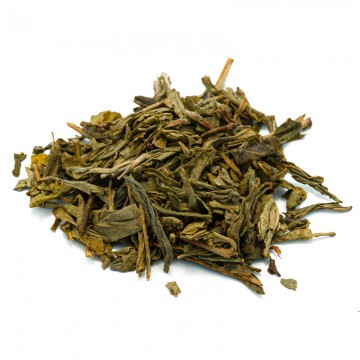
This refreshing Sencha green tea is beneficial and rich in antioxidants, but free from theine. The properties of Sencha help the metabolism work easier, but relax the mind, without the exciting effects of the alkaloid theine on the nervous system and blood pressure. Decaffeinated green tea retains the Sencha taste, with a lighter and thirst-quenching flavor, much appreciated for its enveloping aroma.
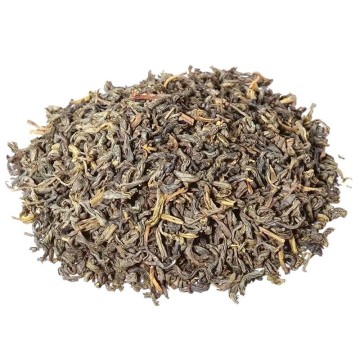
Chun Mee green tea is a traditional Chinese green tea, known for its fresh and slightly acidic taste. The thin, curved leaves resemble eyebrows, hence the name "Chun Mee" which means "precious eyebrows". Grown organically, this tea retains all its natural properties without the use of pesticides or chemicals. It has a sweet and fruity flavor with herbaceous notes and a delicately astringent aftertaste, ideal for those looking for a healthy drink rich in antioxidants.
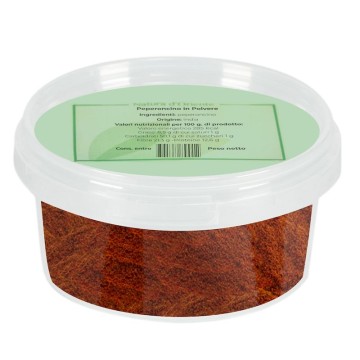
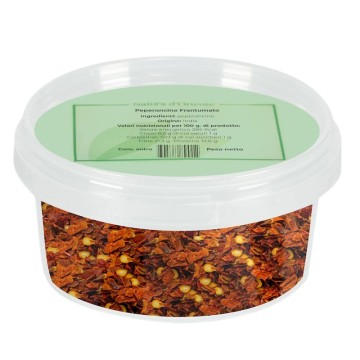
Chili pepper is an excellent flavoring for cooking but it is also a food with healing and cosmetic properties, which not everyone knows about. Chili pepper has antibacterial properties, as well as digestive and antioxidant properties. It is rich in vitamin C, vitamin A, E, PP, potassium, calcium and phosphorus.
Chili pepper is an excellent cooking flavoring but it is also a food with healing and cosmetic properties, not everyone is known. Chilli has antibacterial properties, as well as having digestive and antioxidant properties. It is rich in vitamin C, vitamin A, E, PP, potassium, calcium and phosphorus.
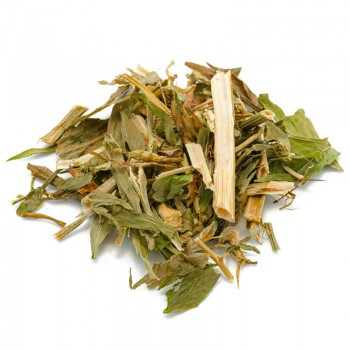
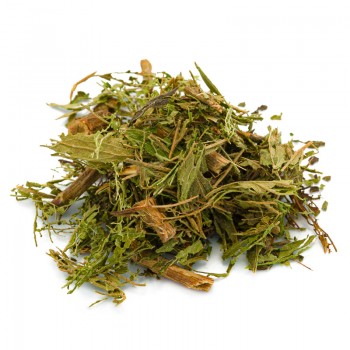
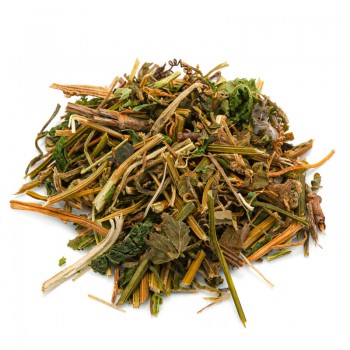
Famous as a sweetening medicinal plant, Stevia rebaudiana is used as a sugar substitute in herbal and fruit infusions. Stevia leaves in herbal tea cut can be used for taking a tonic infusion, with antioxidant, anti-inflammatory and anti-diarrheal properties. Helps against stomach acid and, as a diuretic, promotes regular blood pressure.
Ingredients: stevia leaves Botanical name: stevia rebaudiana bertoni Origin: China
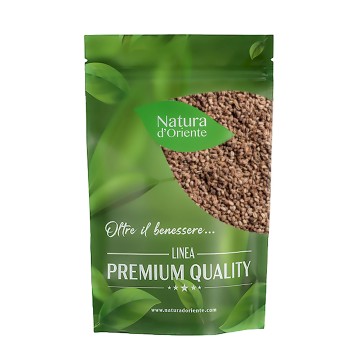
These small and aromatic seeds are known for their excellent properties, used both in cooking and for beneficial infusions. They give a very intense aroma and a slightly bitter taste to many recipes, appreciated in Asian, French and Cajun cuisines. Celery seeds are excellent for soups, broths, sauces, flavoring meat and the famous celery salt. They contain precious nutrients and antioxidants, useful for our well-being.
Used since ancient times for its adaptogenic and antioxidant properties, Gynostemma is still considered an anti-aging cure-all today. Also defined by the traditional name Jiaogulan, it gives a tonic effect on the body, as an energetic and anti-stress. This oriental plant is available in leaves, for the preparation of the infusion: try it to stimulate the body with the ancient "herb of immortality" of Chinese medicine.
Ginger is rich in antioxidant, anti-inflammatory, antibacterial and antiviral agents. It is rich in vitamins A, B6, K, relieves the sense of nausea, migraine, indigestion, heartburn and stomach pain. Rich in vitamin B, it decreases the sense of hunger. Excellent for sore throat and flu as it acts as an anti-inflammatory.
Natural persimmons are delicious and beneficial fruits. Being dehydrated fruits without added sugar, they release a delicate and naturally sweet taste on the palate, not excessively sugary.
Bacopa Monnieri is a plant famous in Ayurvedic medicine for its beneficial activity in the brain. It is also known by the scientific name "water hyssop", a plant used for thousands of years in India in traditional Ayurvedic medicine, called Brahmi. Bacopa monnieri acts on several aspects, is effective against some cognitive or mood disorders, due to anxiety, attention problems, depression, it also improves memory and cognitive abilities.
Ingredients: bacopa monnieri Wettst Botanical name: bacopa monnieri Origin: India
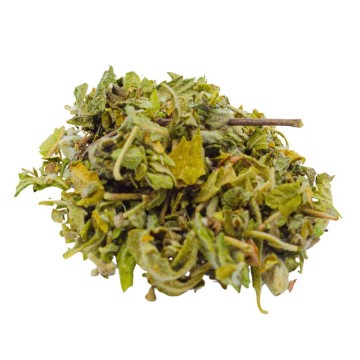
Damiana known in botanical terms as Turnera diffusa willd has an antidepressant action in case of physical or intellectual fatigue, tiredness, stress, calms anxiety and helps fight nervousness and insomnia as well as fighting depression.
Ingredienti: damiana foglie Nome botanico: Turnera diffusa willd Origine: Messico
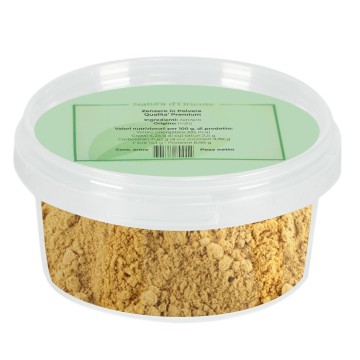
Turmeric is a plant native to eastern India. The plant, introduced by sailors, is found in Europe already in the monastic writings of the 6th century. Due to the color similar to saffron, it was also wrongly called Indian saffron. The therapeutic power of turmeric is manifold.

.png)