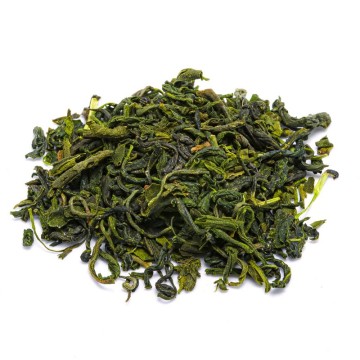
Formosa honey black tea is famous in Taiwan. The leaves of these tea trees would produce sweetness like honey after the reaction of some insect bites. The more insects gnaw on the tea leaves, the more noticeable the honey flavor of the tea will be. Hence growers avoid using pesticides to make this tea natural and good-tasting, sweet and refreshing.
Herbs of Provence are a blend of fresh or dried aromatic plants. Unmissable in the recipes of local cuisine, these herbs are used to give the final touch in vegetable-based dishes, in stews, sauces, ragu and in grilled fish and meat, such as that of Sisteron lamb.
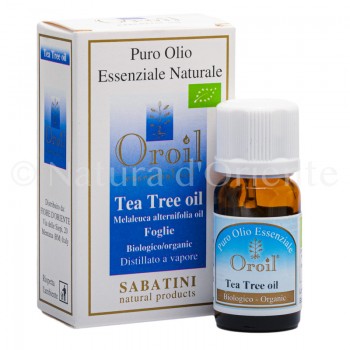
Tea tree essential oil. 100% natural. (Melaleuca alternifolia oil) steam distilled. Purifier, easily tolerable, even on the skin, it is an excellent remedy against viruses and bacteria. It stimulates the organic defenses and tones the body. It helps to recover energy after efforts or periods of stress.
Properties: disinfectant, help for acne, pimples, candida, dandruff, cold sores. < br /> Main components: terpinene-4-oil, cineol, pinene, terpinene, cimene, sesquiterpenes. Origin: Australia
Planet: Jupiter / Venus • Main chakra: - ° • Secondary chakra: - ° • Note: Base
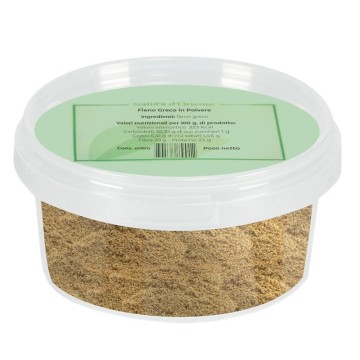
Ground fenugreek is a tasty spice with many beneficial properties. Used in cooking for many recipes, with its pungent and slightly bitter taste, it enriches spicy mixtures, first and second courses. It has an emollient action on the digestive system, and positively stimulates the metabolism of carbohydrates and triglycerides.
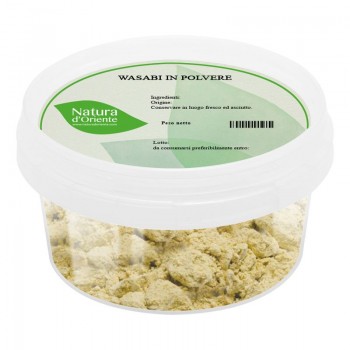
Dried Japanese horseradish is the plant at the base of wasabi powder, used above all to accompany sushi and sashimi dishes. Wasabi can get even spicier with a hint of mustard, and add intense flavor to fish dishes, eggs, salads and to mix with creams and sauces.
Ingredients
Japanese horseradish 70.3%, MUSTARD, turmeric, wasabi japponica, corn starch, antioxidants E300, natural color E133.
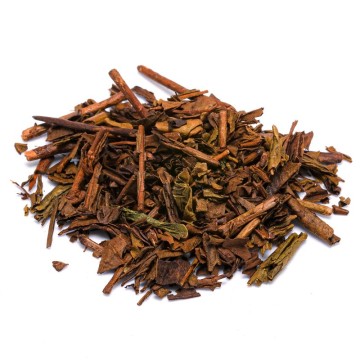
This tea comes from Japan which contains little theine, and is obtained from the large leaves of the shrub, lightly toasted. The flavor is dense but soft, rich in nuances and for the most refined palates in terms of green tea. Perfect for those who want to try something unique, with purifying and digestive properties.
A precious and rare tea, which from Kyushu island in Japan arrives with its golden color, the fresh and citrus scent. The olfactory notes of the leaves are transformed on the palate, into a vegetable taste reminiscent of hazelnuts, almonds, legumes and a mineral aftertaste. Try it as a high quality, exclusive, regenerating green tea.
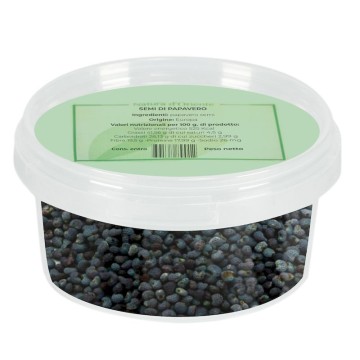
Like all oil seeds, they are a source of fat and protein but are also a reserve of manganese, calcium, Omega 6 and vitamin E. They are also used as a natural remedy for anxiety and as an anti-stress food, a feature that makes them a natural ally in alternative medicines. Finally, poppy seeds help lower blood cholesterol.
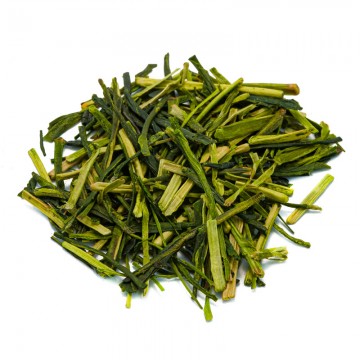
This Kukicha green tea comes from a Japanese recipe, the infusion of stems and twigs of the tea plant, without the leaves. For this reason, Kukicha contains less theine, but is very rich in antioxidants and minerals. It gives an excellent quantity of calcium, vitamins A, C and group B. A concentrate of well-being, full-bodied, with a slightly sweet taste and the aroma that evokes the tea plant.
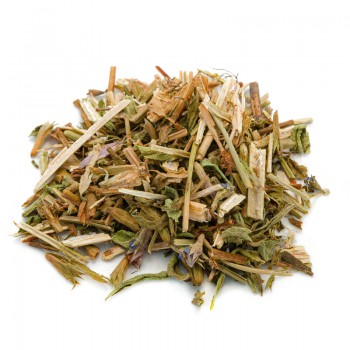
A good infusion with hyssop is useful for soothing the respiratory tract, against colds, coughs, cystitis, asthma. In addition to its expectorant and balsamic qualities, its tops have diuretic properties, for the well-being of the urinary tract and for regular blood pressure. It is also a calming infusion, excellent for counteracting stress.
Ingredients: Hyssop Botanical name: Hyssopus Officinalis L. Origin: Europe
Chervil is an officinal and aromatic plant with diuretic and purifying properties, and useful for the respiratory system and against constipation. It is an aromatic herb very similar to parsley, but much more delicate. Rich in vitamin C, carotene, mineral salts, iron, calcium and magnesium, important for muscles and nerves.
The beneficial properties of juniper were known from the time of the ancient Egyptians. They were in fact used for embalming and for disinfecting rooms. The numerous active ingredients contained in the plant, juniper, confer important therapeutic benefits on them. Widely used in folk medicine to treat various ailments.

![Black tea Honey Black Formosa [Natura d'Oriente]](https://www.naturadoriente.com/3390-home_default/black-tea-honey-black-formosa-.jpg)