
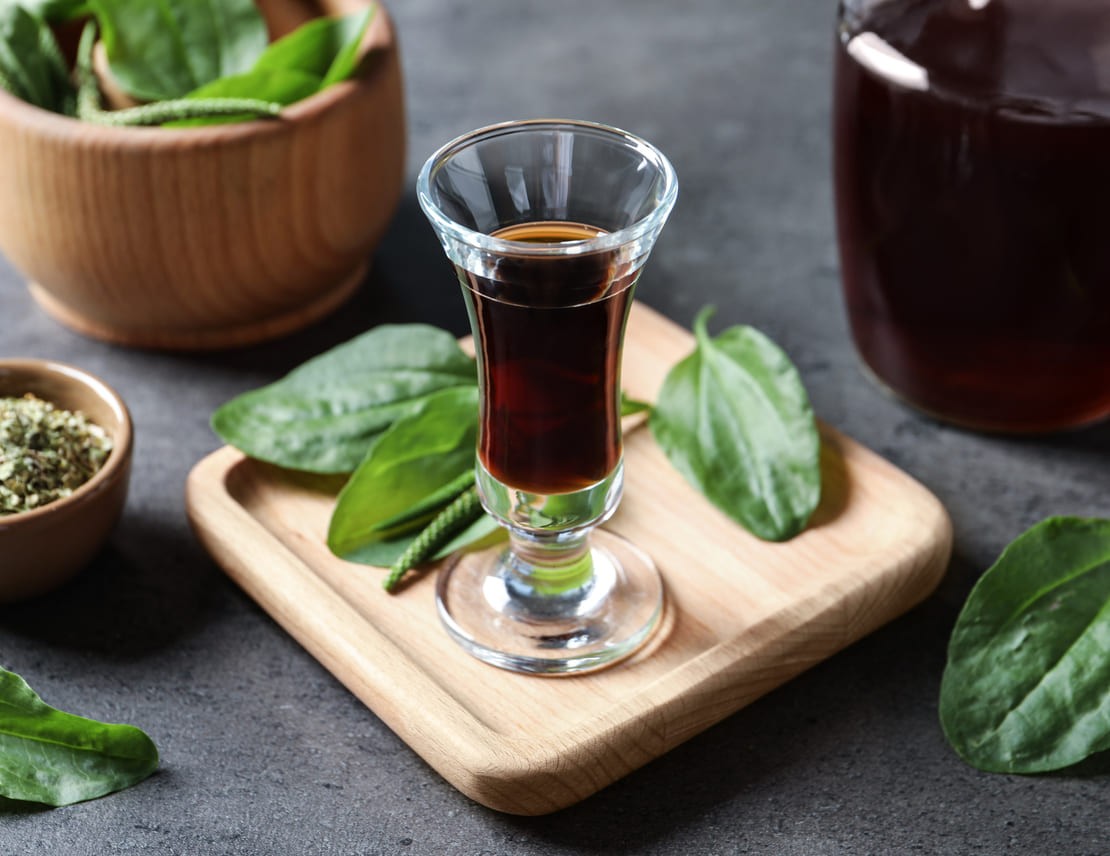
The most commonly used aromatic herbs in artisanal bitters
In today’s post, we’re going to explore together the most commonly used aromatic and medicinal herbs in the production of artisanal bitters and liqueurs.
The history of bitters stretches back centuries; even the ancient Romans used to infuse herbs in wine or alcohol to treat digestive problems… The tradition was carried on over the centuries in monasteries – a long journey that gradually saw bitters ‘transform’ from healing elixirs… into a pleasant after-dinner drink to aid digestion.
Which herbs are most commonly used in traditional bitters?
Our list simply must begin with gentian, the "queen" of herbs for bitters, with its distinctive, unmistakable flavour and earthy notes. Please note that this is a plant which is protected and may not be picked. If you wish to make your own homemade gentian-based bitter, please source it exclusively from authorised retailers.
Another traditional ingredient widely used, particularly in amari from our own tradition, is cinchona bark, which is also found in many famous "commercial" amari.
Among the most popular with those who love bitters with an intense aroma are rosemary, rhubarb, liquorice, aniseed and mint, which are particularly appreciated for their fresh aftertaste and fragrance.
We cannot fail to mention juniper berries in our list. Although they are best known as a key ingredient in gin, they can also be used in the production of bitters and grappa.
Among the herbs used in artisanal bitters are also St Peter’s herb, centaury and chamomile; these are less well-known but often feature in the blends used to make bitters and liqueurs. You might be surprised to find the rather unexpected chamomile on this list; its fragrant little flowers are highly prized in the preparation of bitters and digestive liqueurs.