Spices, herbs and bee-friendly flowers
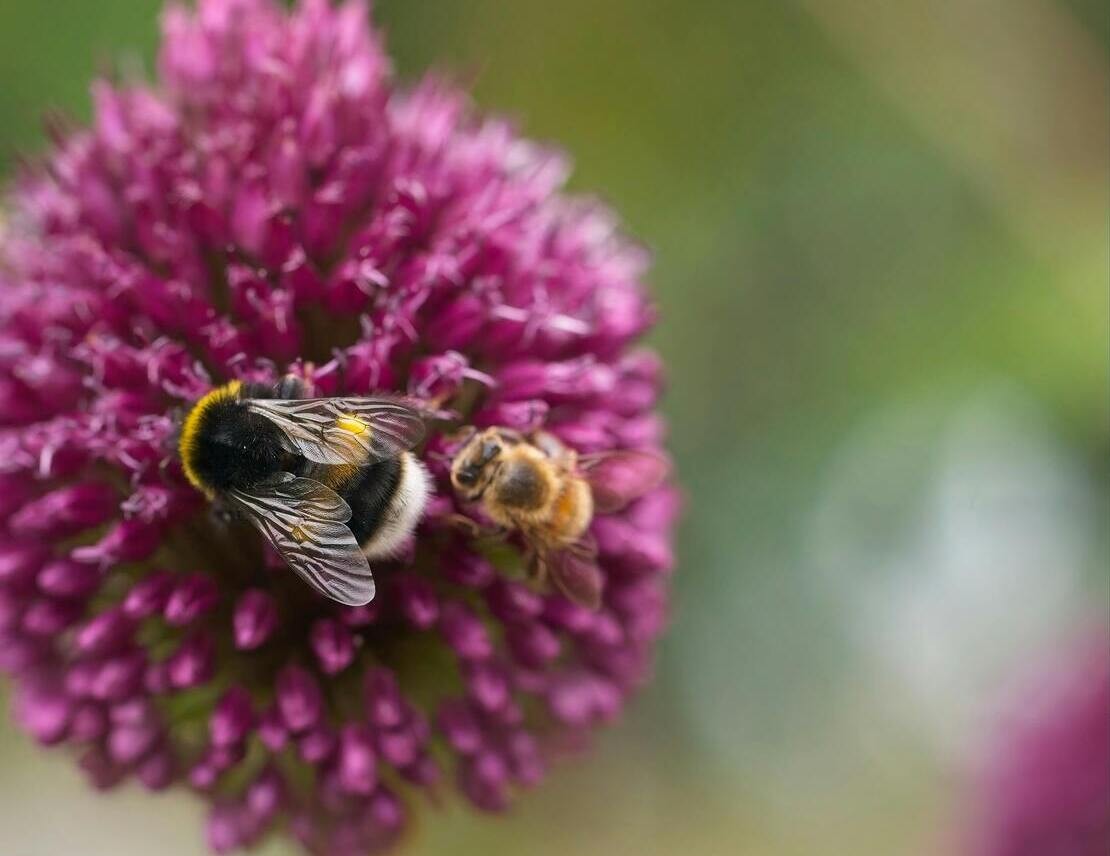
Today’s post will be a little different from usual; we’ve decided to dedicate our feature to a topic that is particularly close to our hearts. Tomorrow is 20 May, World Bee Day. So today we’ve decided to talk about the herbs and flowers used in herbal teas, which are made from honey plants – the bees’ allies. Perhaps you could take inspiration to create a fragrant little corner in your garden or on your balcony dedicated to pollinators, with plants that will also come in handy in the kitchen.
World Bee Day
This is an international day, established on 20 December 2017 by the United Nations General Assembly, an initiative driven by growing concerns regarding the fate of bees and pollinators, linked to their key role in the ecosystem and their importance for the conservation of biodiversity.
Tiny but vitally important, as highlighted in FAO reports, it is thanks to pollinators that the productivity of 75% of crops globally is guaranteed and preserved.
The initiative aims to raise global public awareness of the importance of these creatures and the need to protect them, limit the use of potentially harmful substances, and promote a habitat conducive to their conservation.
The theme of the The theme for the 2026 edition is ’United for People and the Planet". On the ISPRA institutional website , you can find further useful information on the initiatives being implemented.
Which herbs are bee-friendly?
You may never have thought about it, but several herbs are nectar-producing plants and their flowers are particularly popular with bees. If you want to create a green corner that pollinators will love or attract them to your vegetable garden, the plants you should definitely consider include: rosemary, sage, mint and lamb’s lettuce, oregano, coriander (from which a rare and much-loved honey is made), dill, and marjoram, which provides an excellent source of pollen and nectar. Next on the list are chervil, caraway, aniseed and wild fennel.
As well as being particularly popular with bees, the flowers of these plants will naturally attract butterflies to your garden or balcony too.
Flowers for infusions that bees love
Many of the flowers found in our herbal teas and herbal blends are also particularly popular with bees! You are no doubt familiar with lavender and echinacea as plants favoured by pollinators, but bees will also particularly appreciate the presence in your garden of hibiscus, passionflower, chamomile and lemon balm, marigold, dandelion, savory (as with coriander, a rare honey is produced from savory) and, of course, the simple yet beautiful roses, mallow and dog rose.
All comments