Reference: 1971
 No reward points for this product.
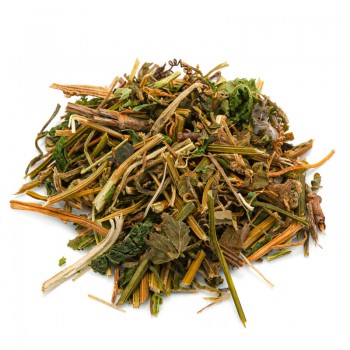
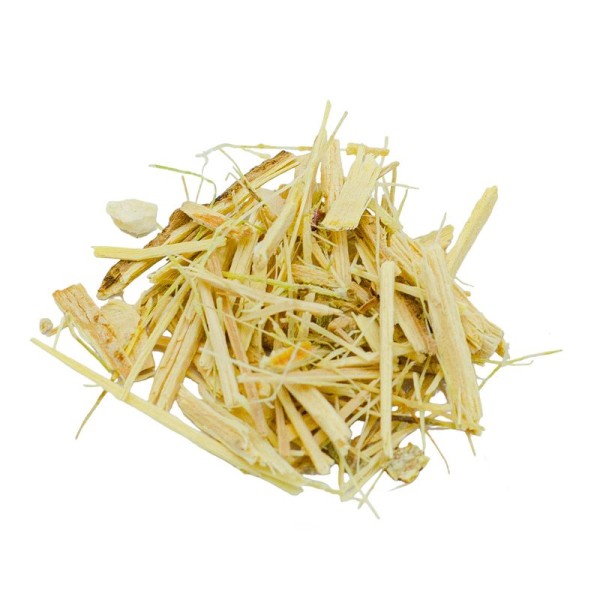
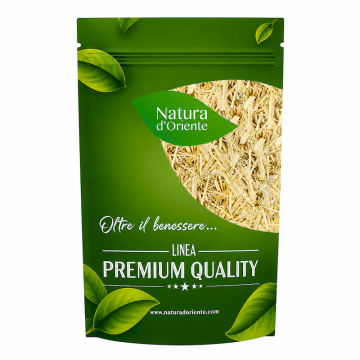
The root of the Eleutherococcus plant, also known as Siberian ginseng, is known for its tonic-adaptogenic properties, which are beneficial to our well-being. Ready to use as a herbal tea, the root is considered a natural remedy for improving the body's natural defenses, physical endurance, and cognitive function.
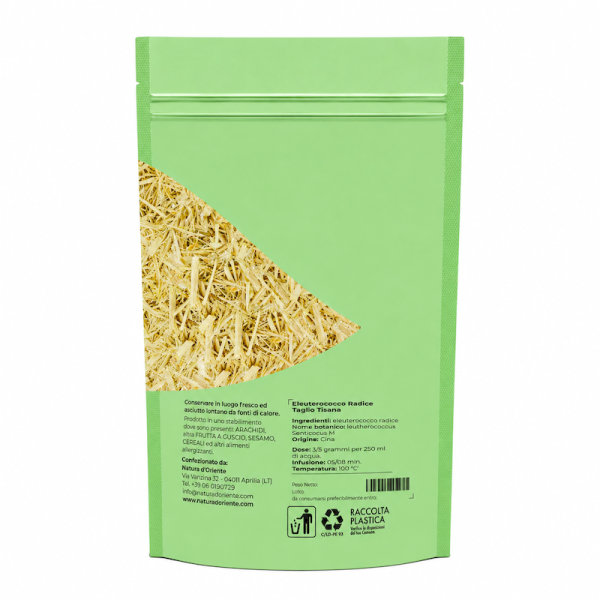
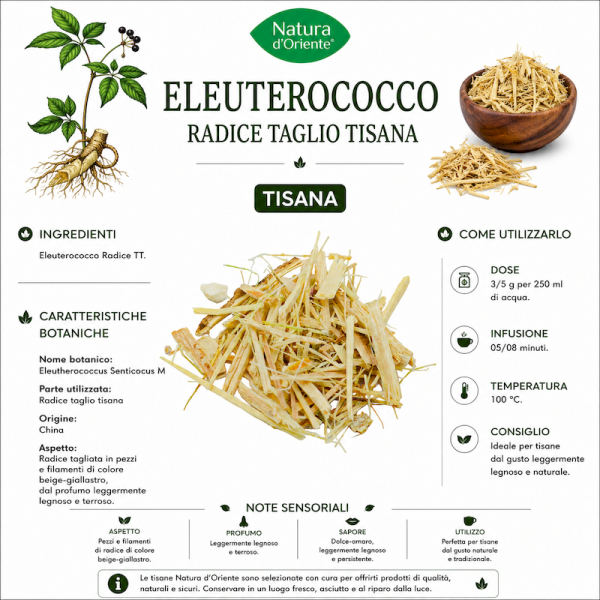
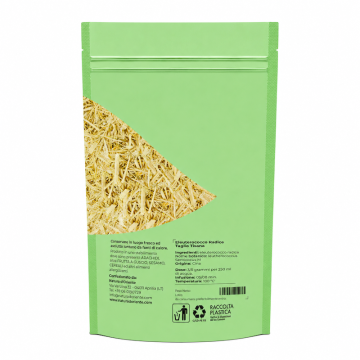
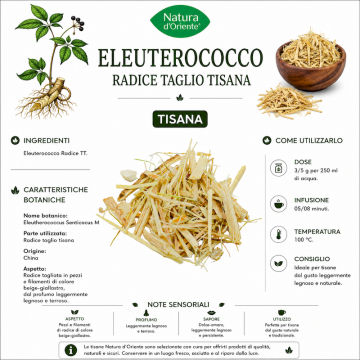
Ingredients: Eleutherococcus Root TT
Botanical name: Leutherococcus Senticocus M
Origin: China
The root of the Eleutherococcus plant has been used for centuries in Asia as an adaptogenic plant; that is, a plant capable of modulating the body's resistance to various conditions. This ability helps protect the body from the effects of stress and contributes to its balance.
The best-known virtue of this plant is its tonic-adaptogenic function, similar to ginseng, albeit less powerful.
The group of adaptogens, which includes Eleutherococcus, includes plant substances that protect the body's natural defenses from the effects of stress. The root part, used in herbal medicine, is considered an antioxidant and supports the body by counteracting certain physical stressors—harmful when it becomes chronic stress, which can weaken our defenses.
When should you take Eleutherococcus? As a tonic, the root is used to improve athletic performance; it has energizing properties that are useful for proper fat metabolism and endurance. It has an effect similar to caffeine, but without its negative effects. It can be useful to use the cut root as a herbal tea in cases of tiredness or fatigue. The root, also known as Siberian ginseng, can also be useful for facing mentally challenging days, being a tonic for cognitive function and memory. The herbal tea becomes a natural support for regaining energy and attention, alleviating learning fatigue, and improving intellectual performance, promoting good mood and well-being.
From a nutritional standpoint, the components of Eleutherococcus that have potential benefits are eleutherosides, active ingredients responsible for its adaptogenic action. Other elements such as saponins, triterpenes, and antioxidant flavones are also present. It also contains complex polysaccharides, which support the immune system.
Regarding the contraindications of Eleutherococcus, the root is considered safe to use and well-tolerated, but excessive consumption is recommended. Excessive intake of Eleutherococcus may cause unwanted side effects such as insomnia, headaches, gastrointestinal disorders, and hypertension.
The Eleutherococcus senticosus plant is native to Asia, in the regions between northern China, Mongolia, and Siberia.
It has been a folk medicine remedy for centuries, known as Siberian ginseng (it grows in the same Asian regions as ginseng) or by other popular names such as devil's bush, Russian root, and wild pepper.
Historically, Eleutherococcus was used primarily in Russia and China, exploiting what we now know to be the properties of its substances (eleutherosides). It was used as a tonic and natural remedy perhaps as far back as millennia ago, but the first evidence of its use dates back to the 11th century. Over time, it was traded throughout Europe, Arabia, and Asia. It is easy to grow because of its hardy shrub. Today, it is considered an adaptogen for well-being and energy, sought after for its effects on physical performance. It was also used as a dietary supplement by Russian astronauts during space travel.
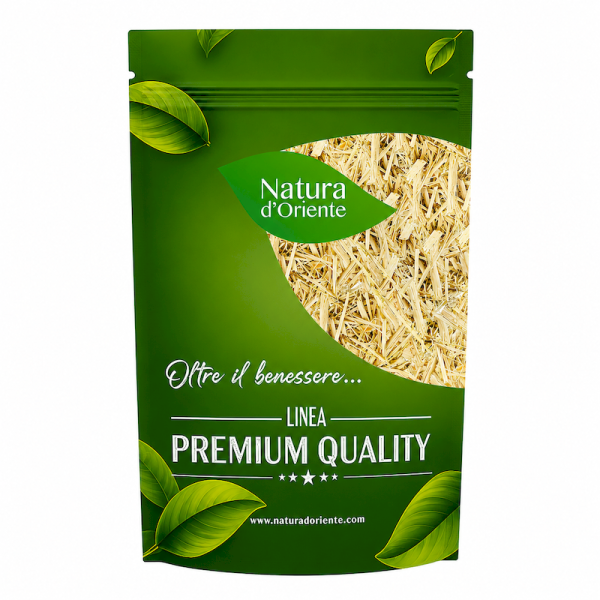
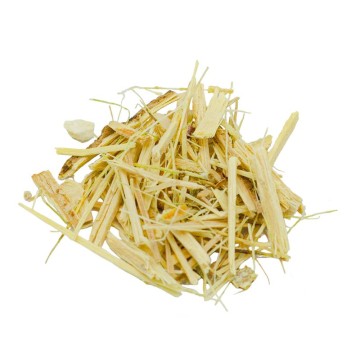
Botanically, it is identified with the plant Eleutherococcus senticosus Maxim (or Acanthopanax senticosus), a small, thorny shrub belonging to the Araliaceae family. It has palmate leaves and different flowers—violet male flowers and yellow female flowers. It produces a black drupe containing five seeds. The parts of the plant used in herbal medicine are the tuberous root and the rhizomes (underground stem). Where can you find eleutherococcus for sale? In our Natura d'Oriente selection, you can find eleutherococcus root cut for herbal tea for sale online; pieces ready for infusion and selected for their high quality. You can purchase Siberian ginseng root in packs of 50 g, 100 g, or 250 g.
The infusion is made by placing about 3-5 grams of the cut root in a cup (250 ml) of water at 100°C.
Leave to steep for the time indicated on the package, usually 5-8 minutes, before drinking the herbal tea. Add honey or sugar, if desired.
The root of the Eleutherococcus plant, also known as Siberian ginseng, is known for its tonic-adaptogenic properties, which are beneficial to our well-being. Ready to use as a herbal tea, the root is considered a natural remedy for improving the body's natural defenses, physical endurance, and cognitive function.
Ingredients: Eleutherococcus Root TT
Botanical name: Leutherococcus Senticocus M
Origin: China
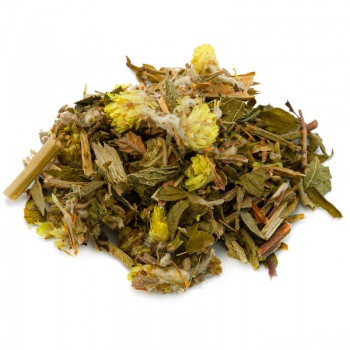
Damiana Composta is a selection of medicinal herbs designed to offer an infusion with an intense and aromatic taste, ideal to sip at any time of the day. The blend combines plants traditionally used for the preparation of natural herbal teas, inspired by the European and South American herbal tradition.
damiana, lemon balm, muira puama, savory nut, helichrysum, verbena, parsley , hyssop.
A plant like ginseng has many precious properties for our body: anti-stress and adaptogenic, energetic and tonic for the metabolism. For this, it is useful to take its root, the fulcrum of the nutritional benefits of ginseng through an herbal tea that makes available saponins, amino acids, vitamins, mineral salts and phyto-estrogens. Concentrated wellness!
Ingredients: ginseng
Botanical name: Panax ginseng C.A.Meyer
Origin: China
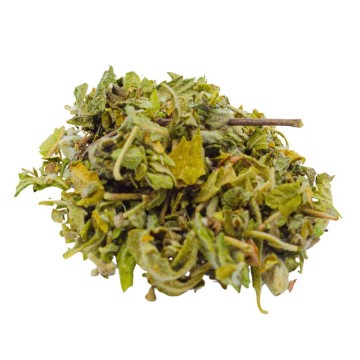
Damiana known in botanical terms as Turnera diffusa willd has an antidepressant action in case of physical or intellectual fatigue, tiredness, stress, calms anxiety and helps fight nervousness and insomnia as well as fighting depression.
Ingredienti: damiana foglie
Nome botanico: Turnera diffusa willd
Origine: Messico
Used since ancient times for its adaptogenic and antioxidant properties, Gynostemma is still considered an anti-aging cure-all today. Also defined by the traditional name Jiaogulan, it gives a tonic effect on the body, as an energetic and anti-stress. This oriental plant is available in leaves, for the preparation of the infusion: try it to stimulate the body with the ancient "herb of immortality" of Chinese medicine.
Ingredients: gynostemma pentaphyllum Jiaogulan
Botanical name: gynostemma pentaphyllum Jiaogulan thunb Makino
Origin: China
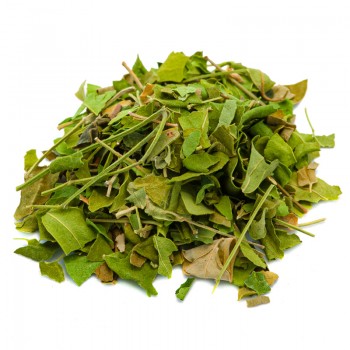
It has an important diuretic, draining and purifying action on the body and is an excellent anti-inflammatory and anti-rheumatic. Much appreciated by women who want to eliminate toxins and cellulite.
Ingredients: moringa
Botanical name: moringa oleifera Lam
Origin: India
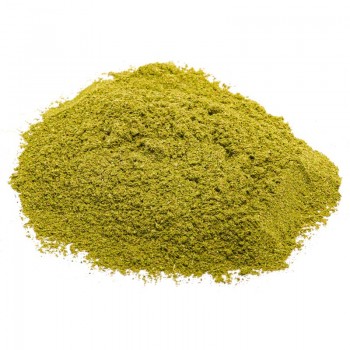
Moringa has an important diuretic effect, draining and purifying the body. The leaves are considered an excellent natural anti-inflammatory and anti-rheumatic ingredient. The powdered version, convenient and effective, is highly appreciated by women and athletes who want to stimulate their metabolism; It is useful for fatigue and helps eliminate toxins and cellulite.
Ingredients: moringa
Botanical name: moringa oleifera Lamscolymos