PROMO expires 03/05
Code IMAGGIO5 5% discount valid on the entire catalogue, excluding large formats, for orders starting from €50
Code IMAGGIO10 10% discount valid on the entire catalogue, excluding large formats, for orders starting from €100
Code IMAGGIO15 15% discount valid on the entire catalogue, excluding large formats, for orders starting from €150
Reference: 2073
 No reward points for this product.
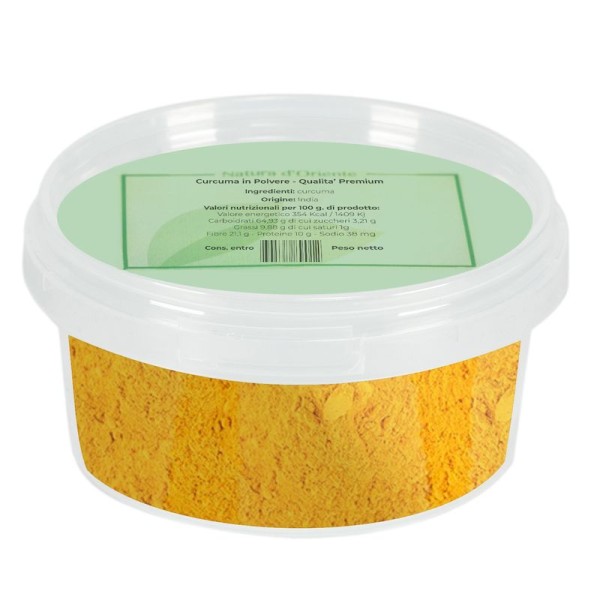
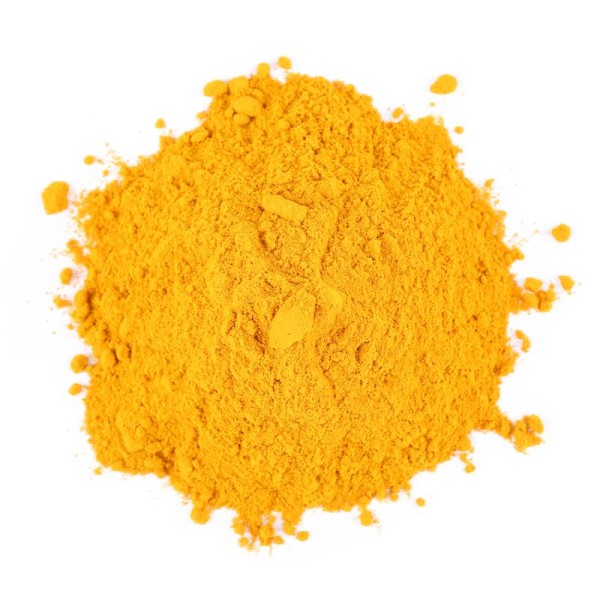
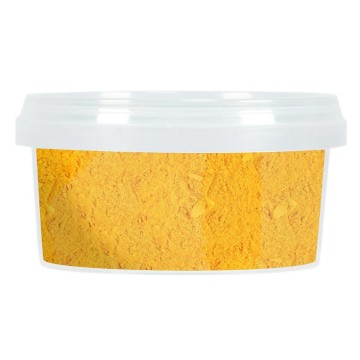
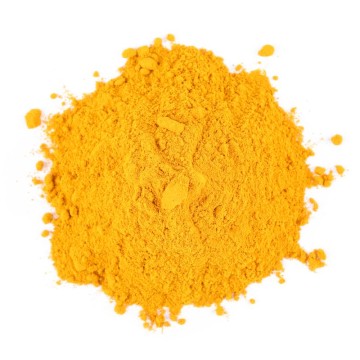
Turmeric, native to eastern India, is a spice prized for its pungent flavor and beneficial properties. The powdered version comes from the dried and ground rhizome, ready for use in cooking and for wellness purposes. It concentrates its aromatic characteristics, creating tasty dishes with an exotic and colorful touch!
Turmeric
The ground version is versatile in cooking and for wellness. This spice, native to eastern India, has been known for centuries for its health benefits and flavor. Highly prized in Eastern culinary tradition, it is a staple ingredient in many Indian and Middle Eastern dishes. It's a spice found in most curry powder mixes. Ground turmeric root lends a vibrant yellow-orange color to dishes, uniformly and brightly. It arrived in European cuisine in the Middle Ages, where it was considered "Indian saffron" or "yellow ginger" due to its similar color. Recently, it has become popular in the Western world not only in cooking, but also for its nutritional benefits.
Known for centuries for its properties, today turmeric is appreciated and studied for its antioxidant content. Its beneficial compounds are curcuminoids, the most important of which is curcumin, the main active ingredient in turmeric. For our well-being, we know that a diet rich in turmeric's nutrients can be beneficial. Just a pinch in everyday cooking is enough to benefit from its digestive and antioxidant properties. Regarding its compounds, turmeric can increase the body's antioxidant capacity. It helps protect cells from oxidative damage, a process considered to be the basis of cellular aging and other health risks. Antioxidants prevent free radicals from reacting in a way that is harmful to our well-being.
Its best-known function, as a spice, is to aid digestion and liver function. It stimulates the gallbladder, aiding in the production of bile, promoting better digestion and reducing gas. Using turmeric in cooking or in infusions is a natural remedy for intestinal health, relieving irritation. In particular, in cases of digestive difficulties, it is preferable to consume turmeric powder. The only situation in which excessive turmeric intake should be avoided is in the presence of gallstones, as it could worsen the existing condition. It supports liver function with cleansing effects, which helps the body eliminate toxins. Furthermore, the bioactive substance curcumin is beneficial for joint function, alleviating some symptoms of joint inflammation. For immune system health, turmeric contains a substance known as lipopolysaccharide. The use of this spice may be suitable for countering some menstrual cycle disorders and combating premenstrual syndrome. It can alleviate mood swings and improve digestive health during this period, alleviating gastrointestinal disorders and menstrual cramps. Furthermore, turmeric's estrogenic activity (from phytoestrogens) is being studied, which may be useful for normalizing menstrual flow. The nutritional composition of this spice also makes it useful in cosmetics, for hair and skin. Turmeric's properties include soothing properties, as a natural remedy for skin irritations or to regulate excessive sebum production. Its bright yellow color is due to curcumin, and it is used to dye fabrics. It is generally recommended to consume up to 2 g of ground turmeric daily with food, if you wish to exercise caution. For optimal absorption, it is recommended to consume this spice in your diet along with healthy fats such as oils, avocado, nuts, and seeds. To enhance curcumin absorption into the bloodstream and enhance its effects, it is helpful to consume it with black pepper, given its piperine content—a natural substance that greatly increases curcumin absorption. Combining curcumin and piperine can also boost metabolism and improve mood. This spice is generally safe, but in rare cases it can cause allergic reactions or interact with blood clotting medications. Excessive doses of turmeric should be avoided if you have gallbladder disease. Discontinue use if you notice any adverse effects and consult a doctor.
Turmeric is highly prized in cooking for its pungent, warm flavor, reminiscent of ginger but with more bitter and earthy notes. Its aroma in dishes is delicate, with a slightly pungent note, and fades during cooking. This unique spicy fragrance is typical of many Indian and exotic dishes, and the yellow color it gives to dishes is also appreciated – due to the highly concentrated pigment component. Used as a colorful garnish in recipes, turmeric powder makes the
The ground version is versatile in cooking and for wellness. This spice, native to eastern India, has been known for centuries for its health benefits and flavor. Highly prized in Eastern culinary tradition, it is a staple ingredient in many Indian and Middle Eastern dishes. It's a spice found in most curry powder mixes. Ground turmeric root lends a vibrant yellow-orange color to dishes, uniformly and brightly. It arrived in European cuisine in the Middle Ages, where it was considered "Indian saffron" or "yellow ginger" due to its similar color. Recently, it has become popular in the Western world not only in cooking, but also for its nutritional benefits.
Known for centuries for its properties, today turmeric is appreciated and studied for its antioxidant content. Its beneficial compounds are curcuminoids, the most important of which is curcumin, the main active ingredient in turmeric. For our well-being, we know that a diet rich in turmeric's nutrients can be beneficial. Just a pinch in everyday cooking is enough to benefit from its digestive and antioxidant properties. Regarding its compounds, turmeric can increase the body's antioxidant capacity. It helps protect cells from oxidative damage, a process considered to be the basis of cellular aging and other health risks. Antioxidants prevent free radicals from reacting in a way that is harmful to our well-being.
Its best-known function, as a spice, is to aid digestion and liver function. It stimulates the gallbladder, aiding in the production of bile, promoting better digestion and reducing gas. Using turmeric in cooking or in infusions is a natural remedy for intestinal health, relieving irritation. In particular, in cases of digestive difficulties, it is preferable to consume turmeric powder. The only situation in which excessive turmeric intake should be avoided is in the presence of gallstones, as it could worsen the existing condition. It supports liver function with cleansing effects, which helps the body eliminate toxins. Furthermore, the bioactive substance curcumin is beneficial for joint function, alleviating some symptoms of joint inflammation. For immune system health, turmeric contains a substance known as lipopolysaccharide. The use of this spice may be suitable for countering some menstrual cycle disorders and combating premenstrual syndrome. It can alleviate mood swings and improve digestive health during this period, alleviating gastrointestinal disorders and menstrual cramps. Furthermore, turmeric's estrogenic activity (from phytoestrogens) is being studied, which may be useful for normalizing menstrual flow. The nutritional composition of this spice also makes it useful in cosmetics, for hair and skin. Turmeric's properties include soothing properties, as a natural remedy for skin irritations or to regulate excessive sebum production. Its bright yellow color is due to curcumin, and it is used to dye fabrics. It is generally recommended to consume up to 2 g of ground turmeric daily with food, if you wish to exercise caution. For optimal absorption, it is recommended to consume this spice in your diet along with healthy fats such as oils, avocado, nuts, and seeds. To enhance curcumin absorption into the bloodstream and enhance its effects, it is helpful to consume it with black pepper, given its piperine content—a natural substance that greatly increases curcumin absorption. Combining curcumin and piperine can also boost metabolism and improve mood. This spice is generally safe, but in rare cases it can cause allergic reactions or interact with blood clotting medications. Excessive doses of turmeric should be avoided if you have gallbladder disease. Discontinue use if you notice any adverse effects and consult a doctor.
Turmeric is highly prized in cooking for its pungent, warm flavor, reminiscent of ginger but with more bitter and earthy notes. Its aroma in dishes is delicate, with a slightly pungent note, and fades during cooking. This unique spicy fragrance is typical of many Indian and exotic dishes, and the yellow color it gives to dishes is also appreciated – due to the highly concentrated pigment component. Used as a colorful garnish in recipes, turmeric powder makes the
The ground version is versatile in cooking and for wellness. This spice, native to eastern India, has been known for centuries for its health benefits and flavor. Highly prized in Eastern culinary tradition, it is a staple ingredient in many Indian and Middle Eastern dishes. It's a spice found in most curry powder mixes. Ground turmeric root lends a vibrant yellow-orange color to dishes, uniformly and brightly. It arrived in European cuisine in the Middle Ages, where it was considered "Indian saffron" or "yellow ginger" due to its similar color. Recently, it has become popular in the Western world not only in cooking, but also for its nutritional benefits.
Known for centuries for its properties, today turmeric is appreciated and studied for its antioxidant content. Its beneficial compounds are curcuminoids, the most important of which is curcumin, the main active ingredient in turmeric. For our well-being, we know that a diet rich in turmeric's nutrients can be beneficial. Just a pinch in everyday cooking is enough to benefit from its digestive and antioxidant properties. Regarding its compounds, turmeric can increase the body's antioxidant capacity. It helps protect cells from oxidative damage, a process considered to be the basis of cellular aging and other health risks. Antioxidants prevent free radicals from reacting in a way that is harmful to our well-being.
Its best-known function, as a spice, is to aid digestion and liver function. It stimulates the gallbladder, aiding in the production of bile, promoting better digestion and reducing gas. Using turmeric in cooking or in infusions is a natural remedy for intestinal health, relieving irritation. In particular, in cases of digestive difficulties, it is preferable to consume turmeric powder. The only situation in which excessive turmeric intake should be avoided is in the presence of gallstones, as it could worsen the existing condition. It supports liver function with cleansing effects, which helps the body eliminate toxins. Furthermore, the bioactive substance curcumin is beneficial for joint function, alleviating some symptoms of joint inflammation. For immune system health, turmeric contains a substance known as lipopolysaccharide. The use of this spice may be suitable for countering some menstrual cycle disorders and combating premenstrual syndrome. It can alleviate mood swings and improve digestive health during this period, alleviating gastrointestinal disorders and menstrual cramps. Furthermore, turmeric's estrogenic activity (from phytoestrogens) is being studied, which may be useful for normalizing menstrual flow. The nutritional composition of this spice also makes it useful in cosmetics, for hair and skin. Turmeric's properties include soothing properties, as a natural remedy for skin irritations or to regulate excessive sebum production. Its bright yellow color is due to curcumin, and it is used to dye fabrics. It is generally recommended to consume up to 2 g of ground turmeric daily with food, if you wish to exercise caution. For optimal absorption, it is recommended to consume this spice in your diet along with healthy fats such as oils, avocado, nuts, and seeds. To enhance curcumin absorption into the bloodstream and enhance its effects, it is helpful to consume it with black pepper, given its piperine content—a natural substance that greatly increases curcumin absorption. Combining curcumin and piperine can also boost metabolism and improve mood. This spice is generally safe, but in rare cases it can cause allergic reactions or interact with blood clotting medications. Excessive doses of turmeric should be avoided if you have gallbladder disease. Discontinue use if you notice any adverse effects and consult a doctor.
Turmeric is highly prized in cooking for its pungent, warm flavor, reminiscent of ginger but with more bitter and earthy notes. Its aroma in dishes is delicate, with a slightly pungent note, and fades during cooking. This unique spicy fragrance is typical of many Indian and exotic dishes, and the yellow color it gives to dishes is also appreciated – due to the highly concentrated pigment component. Used as a colorful garnish in recipes, turmeric powder makes the
The ground version is versatile in cooking and for wellness. This spice, native to eastern India, has been known for centuries for its health benefits and flavor. Highly prized in Eastern culinary tradition, it is a staple ingredient in many Indian and Middle Eastern dishes. It's a spice found in most curry powder mixes. Ground turmeric root lends a vibrant yellow-orange color to dishes, uniformly and brightly. It arrived in European cuisine in the Middle Ages, where it was considered "Indian saffron" or "yellow ginger" due to its similar color. Recently, it has become popular in the Western world not only in cooking, but also for its nutritional benefits.
Known for centuries for its properties, today turmeric is appreciated and studied for its antioxidant content. Its beneficial compounds are curcuminoids, the most important of which is curcumin, the main active ingredient in turmeric. For our well-being, we know that a diet rich in turmeric's nutrients can be beneficial. Just a pinch in everyday cooking is enough to benefit from its digestive and antioxidant properties. Regarding its compounds, turmeric can increase the body's antioxidant capacity. It helps protect cells from oxidative damage, a process considered to be the basis of cellular aging and other health risks. Antioxidants prevent free radicals from reacting in a way that is harmful to our well-being.
Its best-known function, as a spice, is to aid digestion and liver function. It stimulates the gallbladder, aiding in the production of bile, promoting better digestion and reducing gas. Using turmeric in cooking or in infusions is a natural remedy for intestinal health, relieving irritation. In particular, in cases of digestive difficulties, it is preferable to consume turmeric powder. The only situation in which excessive turmeric intake should be avoided is in the presence of gallstones, as it could worsen the existing condition. It supports liver function with cleansing effects, which helps the body eliminate toxins. Furthermore, the bioactive substance curcumin is beneficial for joint function, alleviating some symptoms of joint inflammation. For immune system health, turmeric contains a substance known as lipopolysaccharide. The use of this spice may be suitable for countering some menstrual cycle disorders and combating premenstrual syndrome. It can alleviate mood swings and improve digestive health during this period, alleviating gastrointestinal disorders and menstrual cramps. Furthermore, turmeric's estrogenic activity (from phytoestrogens) is being studied, which may be useful for normalizing menstrual flow. The nutritional composition of this spice also makes it useful in cosmetics, for hair and skin. Turmeric's properties include soothing properties, as a natural remedy for skin irritations or to regulate excessive sebum production. Its bright yellow color is due to curcumin, and it is used to dye fabrics. It is generally recommended to consume up to 2 g of ground turmeric daily with food, if you wish to exercise caution. For optimal absorption, it is recommended to consume this spice in your diet along with healthy fats such as oils, avocado, nuts, and seeds. To enhance curcumin absorption into the bloodstream and enhance its effects, it is helpful to consume it with black pepper, given its piperine content—a natural substance that greatly increases curcumin absorption. Combining curcumin and piperine can also boost metabolism and improve mood. This spice is generally safe, but in rare cases it can cause allergic reactions or interact with blood clotting medications. Excessive doses of turmeric should be avoided if you have gallbladder disease. Discontinue use if you notice any adverse effects and consult a doctor.
Turmeric is highly prized in cooking for its pungent, warm flavor, reminiscent of ginger but with more bitter and earthy notes. Its aroma in dishes is delicate, with a slightly pungent note, and fades during cooking. This unique spicy fragrance is typical of many Indian and exotic dishes, and the yellow color it gives to dishes is also appreciated – due to the highly concentrated pigment component. Used as a colorful garnish in recipes, turmeric powder makes theuniform and vibrant dish. Just adding a pinch (1/8) of a teaspoon will produce a decidedly bright yellow-orange color. Too much can make the color dark yellow and “muddy.” Using turmeric powder in recipes has the advantage of removing the root’s water and moisture content, and is excellent for flavoring soups and stews, legumes, and vegetable dishes. Because dried turmeric powder is so concentrated and flavorful, a smaller amount is needed to achieve the same flavor as fresh turmeric in recipes. It is often halved: 1/2 teaspoon of ground turmeric is sufficient for seasoning in place of 1 teaspoon of crushed fresh root. However, it can be used more sparingly than other spices; its flavor is not as strong even in significant quantities.
International Cuisine: Turmeric is a staple ingredient in almost all Indian meat and vegetable dishes. In Indonesia and North Africa, it's famous for its colorful and flavorful rice pilaf. A typical Indonesian recipe from Bali combines ground turmeric with coconut milk and lemongrass to season rice.
Savory recipes: Ground turmeric beautifully flavors soups, broths, and bean, rice, and whole grain dishes. As a seasoning, it's increasingly popular in vegan cuisine, adding flavor to roasted vegetables, tofu, and legumes. It's also excellent in egg dishes and adds a special flavor to cheeses.
Meat: Turmeric is highly prized in meat stews, to flavor meatballs, stews, and meat rolls. It's used both in the preparation and sprinkled after cooking to add a spicy touch to red and white meat recipes, especially chicken. Useful for seasoning by dissolving turmeric in hot broth. Fish: Powdered turmeric is used in fish soups or recipes with boiled cod, hake, and similar fish. Coloring: It is used as a colorant in mustard, as well as in some cheeses and liqueurs. Ground turmeric is useful for adding a tasty color to scrambled eggs, cakes, and desserts. Baked goods: It is a coloring and flavoring ingredient for bread, bagels, rolls, breadsticks, and focaccia. Turmeric is also used in desserts such as cakes, custards, puddings, biscuits, and muffins. Beverages: The powdered version is perfect for flavoring drinks such as golden milk, smoothies, juices, and fruit juices. A turmeric infusion is made by placing ½ teaspoon of ground turmeric in a boiling cup (you can add a few sprinkles of black pepper). Let it steep for about 5 minutes. Blends: It is an ingredient in Indian curries and other Middle Eastern spice mixes.
Sauces: Turmeric can add an exotic touch to sauces, sweet and sour chutneys, vinaigrettes, mayonnaise, and vegan dressings. It can be added to honey and sweet creams, as well as paired with tomato sauces.
Turmeric Chicken
Ingredients: 500g diced chicken breast - 1 clove garlic - 1 small onion - 1 teaspoon ground turmeric - 1 teaspoon nutmeg - 1 teaspoon ground black pepper - 1 tablespoon lemon juice - 2 teaspoons curry paste - 1 teaspoon sugar - parsley to taste - extra virgin olive oil - 2 green chilies - salt to taste Preparation: In a large saucepan, sauté the garlic, green chili peppers, and thinly sliced onion in a little oil. Add a pinch of salt, sugar, turmeric, nutmeg, and curry powder. Stir and stir in the lemon juice. Add the diced chicken to the pan, adding a few tablespoons of hot water or vegetable broth. Cook, covered, over medium heat for 10 minutes. As soon as the cooking liquid has evaporated, remove from the heat. Serve on a platter, garnished with chopped parsley. If you prefer a sweeter touch, you can add unsweetened coconut milk instead of water or broth.
Turmeric Fish
Ingredients: 500 g of cleaned mixed tender fish (hake, cod, salmon) - 1 clove of garlic - 1 teaspoon of turmeric powder - 2 teaspoons of curry powder - 1 teaspoon of sugar - 1 tablespoon of lemon juice - parsley to taste - 1 onion - extra virgin olive oil - 2 chili peppers - ¼ teaspoon of black pepper - salt to taste
Preparation In a large saucepan, sauté the garlic, green chili peppers, and onion, sliced into thin slices, in a little oil. Then add a sprinkling of chopped parsley, a pinch of salt, the sugar, turmeric, pepper, and curry powder. Stir and stir in the lemon juice. Add the fish to the pan and add a few spoonfuls of water.
Data sheet
Specific References
Turmeric, native to eastern India, is a spice prized for its pungent flavor and beneficial properties. The powdered version comes from the dried and ground rhizome, ready for use in cooking and for wellness purposes. It concentrates its aromatic characteristics, creating tasty dishes with an exotic and colorful touch!
Turmeric
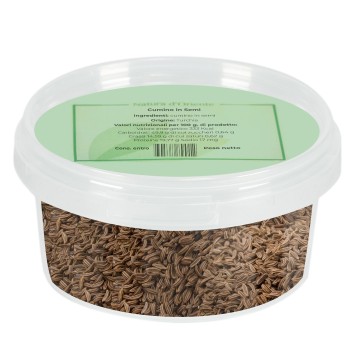
The cumin plant is one of the oldest medicinal plants, it produces seeds that have a spicy flavor and a rich and singular aroma. In recent years, some research is also verifying its slimming power. The scientists involved compared the effects on overweight and blood sugar levels of the use of cumin extracts.
cumin seeds
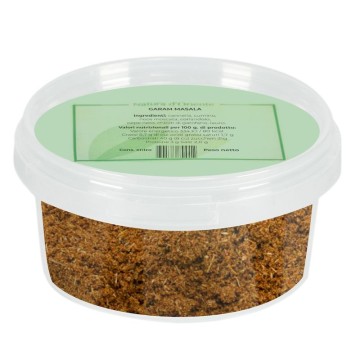
Garam Masala spice blend is believed to contain a balance of all six flavors. It has sweetness, heat, spiciness, and a hint of floral nuances. When these spices combine, they create a special blend, adding incredible depth and complexity to a wide array of traditional dishes and creative recipes.
Cinnamon, Cumin, Nutmeg, Coriander, Black Pepper, Cloves, Bay Leaf.
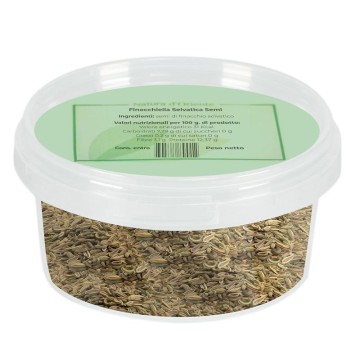
Wild fennel seeds are considered a particular aromatic spice in cooking, to enrich the flavor of our dishes with a rather sweet taste reminiscent of anise. They are used as ingredients in the home preparation of bread, crackers and breadsticks. Excellent flavorings for recipes with pork, boiled potatoes, gratinated vegetables and other Mediterranean cuisine specialties.
semi-wild fennel
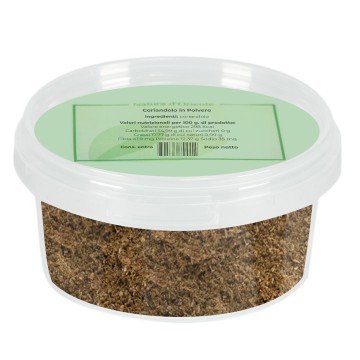
Coriander is an aromatic herb with a sour flavor and sweet notes, with a citrus aftertaste that evokes lemon. In its ground version, coriander is used as a spice in the kitchen in a practical way for many recipes. It is also known for the benefits of its antioxidants which protect cells from oxidative damage, help digestion and cleanse the body.
coriander
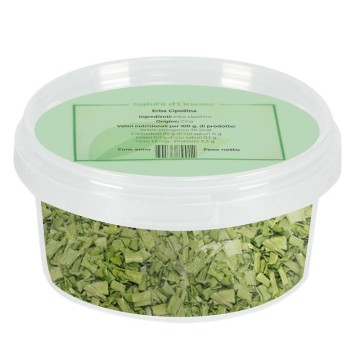
Chives are an aromatic plant. Like the other most used spices, chives have a decidedly particular taste, although lighter and more delicate than that of garlic or onion. It has diuretic, antiseptic, cardiotonic, hypoglycemic, vermifuge properties. Use it directly dried to flavor many dishes like a normal spice.
Chives
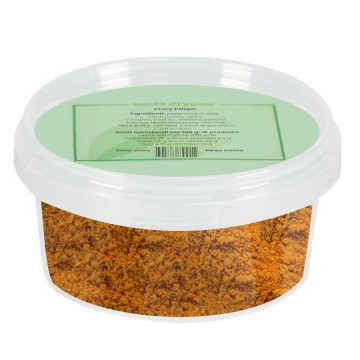
Ethiopian curry is the most emblematic blend of aromatic spices of traditional Ethiopian and Eritrean cuisine. This spicy mix adds quite a spicy flavour, with smoky and musky notes that make the taste intense in recipes. Excellent for flavouring traditional dishes from the Horn of Africa, African, exotic or creative dishes from our cuisine.
chilli, salt, cardamom, garlic, turmeric, paprika, ginger, ajowan, basil, lippia abyssinica, thyme, fenugreek, cinnamon.
Chili threads, also called Angel threads, are mainly used to decorate dishes in a scenic way, typical of gourmet cuisine. They release a degree of light spiciness into the dish, with a very delicate taste: perfect for flavoring in a subtle and stylish way.
chili threads
Mint, as well as in the kitchen, can be used as a natural remedy thanks to its many beneficial properties. Promotes digestion, fights bad breath. It is suitable in the kitchen on various dishes, meat, vegetables, omelettes, soups.
peppermint
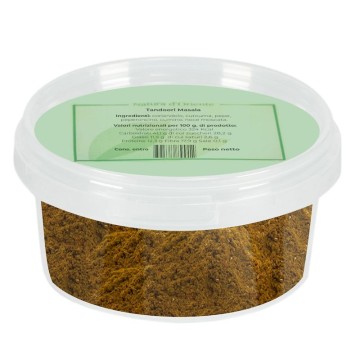
Tandoori, typical aromatic mixture of the Indian tradition, suitable for flavoring chicken, but as mentioned it is also possible to cook white meats and vegetables. With an aromatic but spicy taste, with a completely natural reddish complexion due to the composition of other spices.
coriander, turmeric, chilli, pepper, cumin, nutmeg.
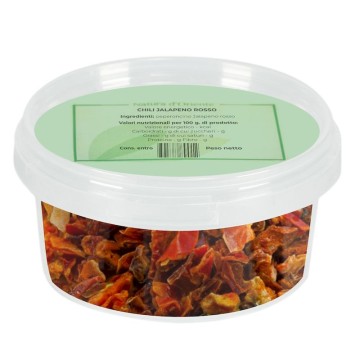
This smoky and aromatic chili pepper is typical of Mexican cuisine but now appreciated all over the world. The right spiciness and the flavor profile with fruity notes, make this chipotle chili versatile in different recipes. You can use it raw to flavor meat, fish, vegetable, soup dishes in an appetizing way. The version of the crushed red Jalapeno is practical, perfect for sauces and marinades for the barbecue.
red Jalapeno chili
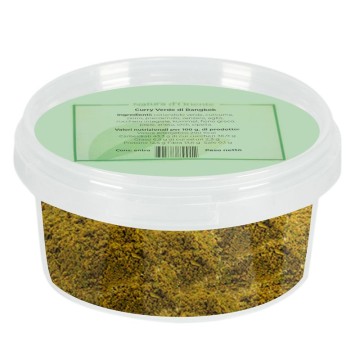
A blend of spices used throughout Thailand, it reveals a wealth of fruity flavors and aromas. Intense green in colour, this Bangkok curry proves to be an intense aromatic delicacy, used for stews with meat or fish, vegetarian soups or typically vegan dishes.
green coriander, turmeric, leek, parsley, ginger, garlic, brown sugar, kummel, fenugreek, pepper, dill, chili, onion.
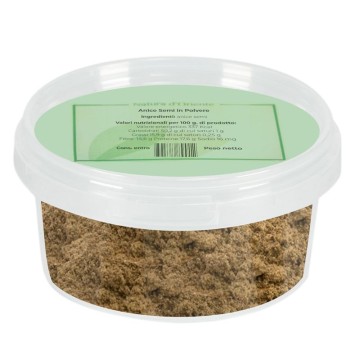
Anise has been known since ancient times both as a flavoring and as a natural herbal remedy. Its powdered version favors a widespread and unique seasoning in recipes. Furthermore, it helps well-being after meals and stimulates the appetite. Useful for flavoring sweet and savory recipes, milk and drinks, in baked products to give an unmistakable aniseed flavor and scent.
Anise
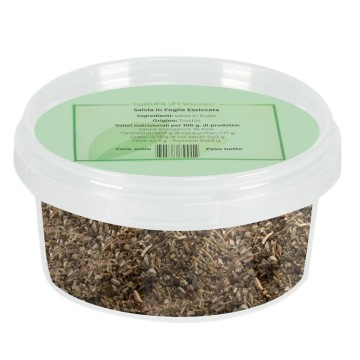
The sage with a pungent and camphoric flavor can be used to flavor meat, vegetables, omelettes, soups and stews. In French recipes, sage is used for the preparation of soups and flavoring white meats and salami, while in Italy it is the protagonist of recipes such as tortelloni with butter and sage, Roman saltimbocca or in the scent of porchetta.
sage
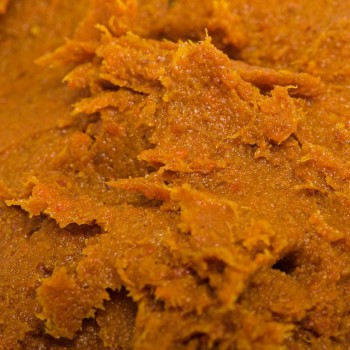
If you like spicy cuisine, Thai red curry paste is an ideal seasoning to enhance your taste buds, giving your soul and your mood a boost of energy.
shallot, soybean oil, garlic, coriander, ginger, cumin, fenugreek, turmeric, salt, lemongrass, shrimp paste, salt, chilli pepper, galangal, palm oil, mustard. (this product may contain traces of fish).
Sesame seeds to toast are oil seeds, considered one of the main plant sources of calcium and are therefore useful for strengthening bones and teeth. Among other properties, they help reduce cholesterol and aid digestion and more. They contain magnesium, phosphorus, iron, manganese, selenium, zinc and a good dose of proteins.
SESAME
Shichimi Togarashi Spice Blend is a traditional Japanese blend of seven spices that combine to create a unique aroma. It combines citrus, tangy, nutty and umami flavors - making it a highly sought-after perfection and complexity in the kitchen. Shichimi Togarashi can be used as a seasoning to add flavor to soups, white meat dishes, sushi and fish, and various rice dishes.
Green seetang, ginger, dried mandarin, black SESAME, white SESAME, red pepper, Japanese mountain pepper.