NOTICE: POSSIBLE DELAYS IN SHIPMENTS
We would like to inform our valued customers that, due to the protests in Southern Italy, there may be delays in deliveries to Sicily, Puglia, Basilicata, Calabria, Campania, Abruzzo, and Molise. We apologize for any inconvenience.
Reference: 1756
 No reward points for this product.
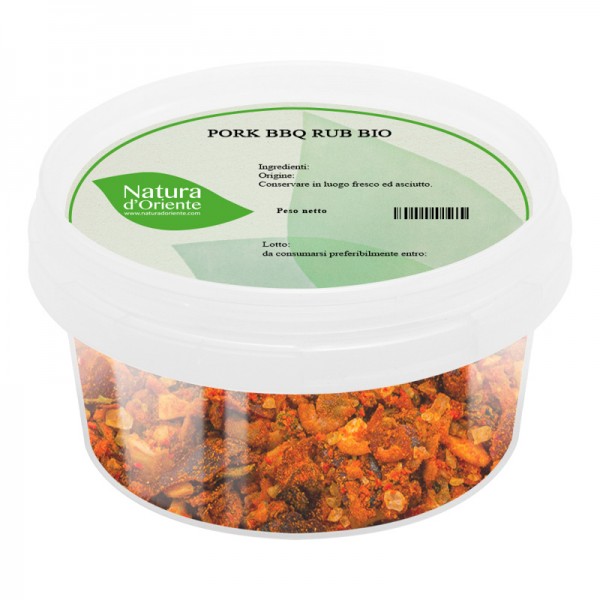
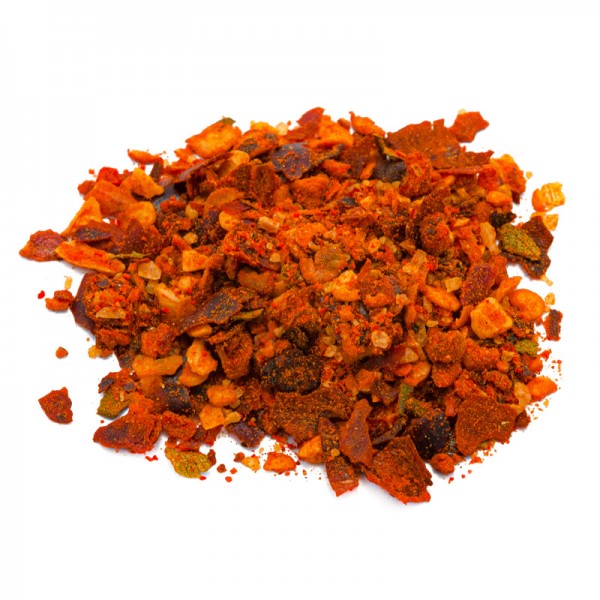
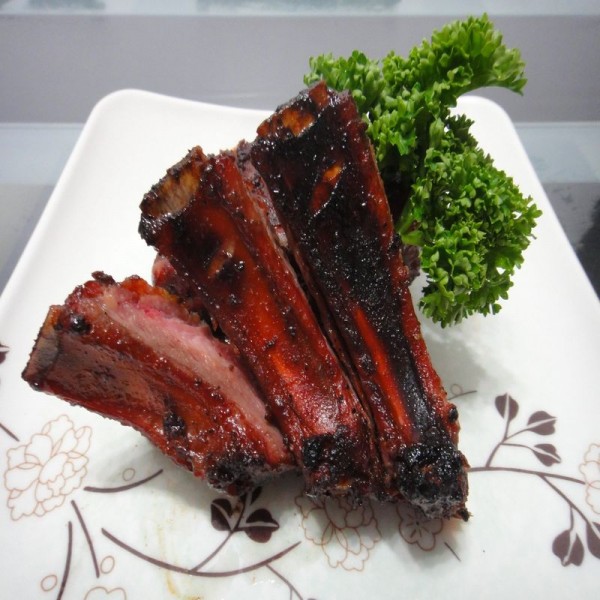
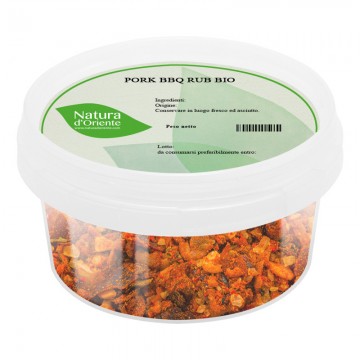
For recipes with barbecue pork, the Pork BBQ blend is designed to enhance the taste of sausages, chops, ribs, capocollo, fillet, or for complex recipes such as American pulled pork. A complex flavor that offsets the salty pork meats, perfect for smoked recipes; gives intensity to the slow cooking of the barbecue and creates the delicious crust.
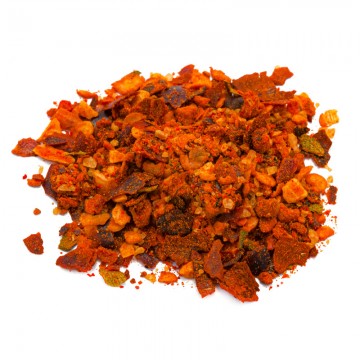
onion, pepper, lemon, fleur de Sel myrtle, chilli, paprika, garlic.
The barbecue pork recipes are a classic of the American BBQ tradition and Italian grills.
Grilling parts such as sausages, pork chops, ribs and ribs, shoulder, ribs, shank results in meats that melt in the mouth. Enhanced by these specially designed spice blends.
The Pork BBQ was created to flavor grilled pork , obtaining a deep flavor with the rub, especially for smoked meat recipes.
An excellent BBQ dry rub , gives a spicy taste thanks to the mixture of the most suitable flavors for pork such as onion and garlic powder, paprika , cumin, chilli, pepper and sugar . Using the Pork BBQ is simple, it is applied by sprinkling and rubbing the mixture on the meat and let it rest before cooking.
The Pork BBQ creates a beautiful smoky flavor that goes perfectly with pork, which must be well sprinkled especially when it comes to large cuts of pig. These roasts show a lot of meat on the surface, so you can make the most of the spicy mix for the barbecue.
For the most classic barbecue recipe, pulled pork from the South of the USA, a rub makes the difference by penetrating the frayed pork shoulder. The tender and succulent meat must cook for several hours to become smoked at the right point, with the rub penetrating the fibers.
A fundamental rule for cooking pork and Pork BBQ mixes is not to overdo it with salt. Pork is very salty, and adding salt can make meat dry and unpleasant to eat. Rather, its flavor goes very well with garlic which, when cooked, becomes slightly sweet and counteracts the fat content contained in most cuts of pork.
A pork barbecue rub, therefore, must respect this balance and, above all, add brown sugar. Its sweet taste goes very well with pork, creating an exquisite crust (bark).
In some recipes, the bbq spice blend for pork uses cayenne pepper and coriander for an exotic touch, or herbs such as thyme, sage, oregano or parsley, to give a "Mediterranean" accent compared to American bbq rooms.
The rub should be applied generously on the chosen cuts or skewers, rubbing with the fingers and the palm of the hand. Try to cover the pork as much as possible on all sides. It is important to consider that, although the rub only needs a few minutes to mix, once applied to the pork, it is necessary to leave the meat to rest for at least 2 hours in the refrigerator before cooking it on the barbecue.
Some tend to leave it alone for about 30 minutes, others overnight: it depends on the taste you want to get, making the Pork BBQ blend penetrate the fiber. After the time has elapsed, remove the meat from the refrigerator and sprinkle any excess, then pass the pork cut on the barbecue.
For long cooking recipes it is important to set temperatures and systems for smoking, cooking with the lid on, and then on the barbecue for at least 6 hours at about 130 ° C in the chamber. In addition, the dry rub can be used by mixing it with water and vinegar, to tenderize, flavor and moisten the meat.
If you are skilled in cooking, you can add a tablespoon of rub to a cup of water and sprinkle it on the meat while it is roasting.
I rub, that is the sauces and spices to flavor the meat, born with the tradition of the American barbecue, around the nineteenth century. The word barbecue probably originates from the practice of the Taino Indians "barbacoa": it indicates a kind of grill used to cook meat over an open flame.
Even African Americans, some time later, used the leftover parts of the best cuts, cooking them for a long time in the barbecue pits.
If the tradition of grilling meat is also common to other cultures in the past, the barbecue creates a type of slow cooking, at low temperatures, with very seasoned sauces to flavor the meats. In addition, spices and sauces were also useful for preserving meats, especially thoseof pork. In the preparation of pork or other types of meat, dry rub is a mixture of spices applied to add flavor. Typically, dry rubs show a variety of 4 or more spices selected for a flavor profile that complements the flesh and the balance.
Historically it was important to keep a salt content at less than 25%, and add the sugar that will give life to the bark on the meat. Too salty rub, for those who liked it on sweet meats such as pork, should be applied immediately before cooking, otherwise the meat would become too dry.
These rules were born over time, with the practice of grilling and barbecuing meats, especially widespread in the southern United States.
There are sweet barbecue blends that come from Carolina or Memphis, others that contain more black pepper or hot pepper, recipes with black, white and red pepper for a full pungent profile. Still others with herbs that sweeten, or mustard that goes perfectly with smoked pork.
Remember that the barbecue should not be confused with the simple barbecue. In the barbecue a whole process of slow cooking takes place and at low temperatures, with the meat being marinated or flavored with dry-rub, then cooked or smoked over the fire. Grilling is quick and easy, while barbecue refines the pork in hours to add flavor and tenderness.
When using blends with spices and other ingredients for the barbecue, it is important to respect the recommended doses. In particular, for those suffering from gastrointestinal irritation and ulcers, or irritation of the urinary tract.
Rub BBQ blends, particularly if they are spicy, should be consumed in moderation; otherwise they can cause effects such as burning in the palate, heartburn, diarrhea, irritation of the mucous membranes.
In addition, it is necessary to evaluate the individual ingredients of the bbq blend, identifying if they are already known for possible allergic reactions.
Pregnant and breastfeeding women are advised to take caution when taking spicy blends for the barbecue.
For recipes with barbecue pork, the Pork BBQ blend is designed to enhance the taste of sausages, chops, ribs, capocollo, fillet, or for complex recipes such as American pulled pork. A complex flavor that offsets the salty pork meats, perfect for smoked recipes; gives intensity to the slow cooking of the barbecue and creates the delicious crust.
onion, pepper, lemon, fleur de Sel myrtle, chilli, paprika, garlic.
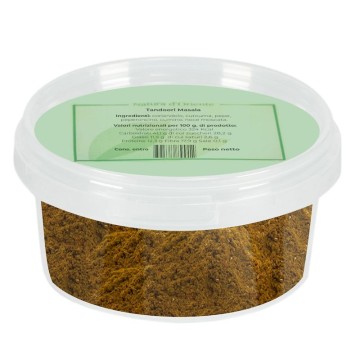
Tandoori, typical aromatic mixture of the Indian tradition, suitable for flavoring chicken, but as mentioned it is also possible to cook white meats and vegetables. With an aromatic but spicy taste, with a completely natural reddish complexion due to the composition of other spices.
coriander, turmeric, chilli, pepper, cumin, nutmeg.
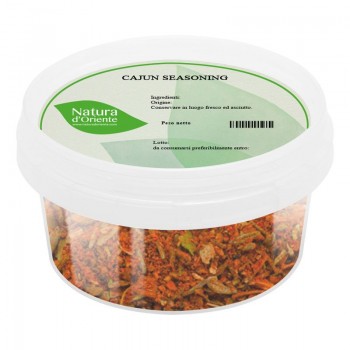
Cajun is a spicy spice blend typical of Louisiana (USA). Suitable for all types of red meat and game, it adds an extra edge to shellfish.
thyme, white pepper, black pepper, cayenne pepper, ancho pepper, oregano, thyme, onion, garlic.
May contain traces of CELERY and MUSTARD, SOYA and MUSTARD.
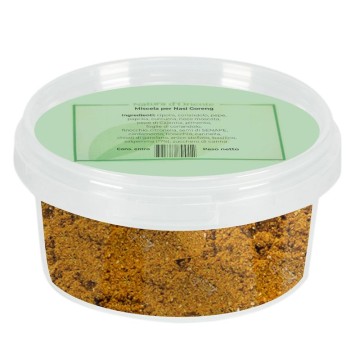
The spice mix for the preparation of Nasi Goreng is perfect for flavoring this typical oriental dish. Also known as Indonesian Fried Rice, Nasi Goreng requires a unique spicy blend, such as the one we offer with intense flavors. A combination that shows nuances between sweet and pungent, with notes of paprika, coriander, cayenne pepper, mustard seeds, anise - as well as other herbs and spices for an alchemy with an incomparable flavor.
onion, coriander, pepper, paprika, garlic, cumin, ginger, turmeric, nutmeg, cayenne pepper, allspice, coriander leaves, lemongrass, MUSTARD seeds, cardamom, fennel, cinnamon, cloves, star anise, basil), coarse salt (17%), cane sugar.
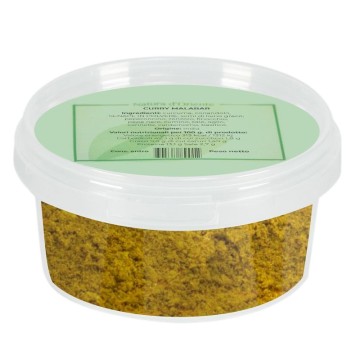
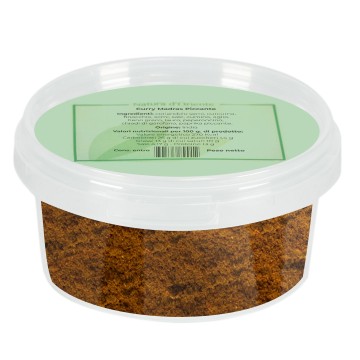
This spice mix is complex and with multiple tones on the palate and smell. Perfect for flavoring fish, meat and vegetable dishes, and especially vegetarian dishes. Take advantage of the spiciest and most intense Indian flavors, which come directly from the culture of the Malabar region, on the southwest coast of Kerala.
Turmeric, coriander, MUSTARD POWDER, fenugreek seed, chilli, ginger, fennel, black pepper, cumin, sea salt, garlic, cinnamon, cardamom, basil.
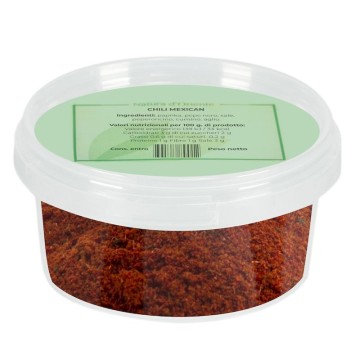
Mixture of spicy spices, excellent for enjoying a fabulous chili mex based on beans or flavoring many recipes. Mexican Chili gives flavor and spiciness to dishes and also has beneficial virtues to support our cardiovascular system. A spice suitable for flavoring meat, vegetable or legume-based dishes.
paprika, black pepper, salt, chili pepper, cumin, garlic.
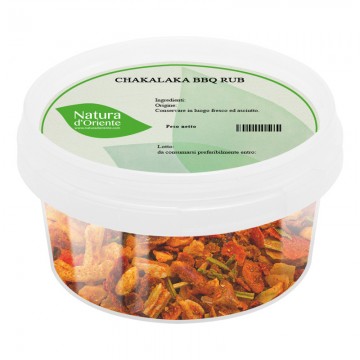
The mix of spices for the preparation of Chakalaka, is designed to flavor this recipe with spicy and aromatic notes. The typical South African vegetable sauce, is created with a spicy blend, including masala leaves and curry powder, which reinforces the sautéed vegetables and beans in the original recipe. Also discover its unique taste as a barbecue sauce, perfect spiciness on grilled meat and sausages.
onion, bell pepper, chili pepper, tomatoes, coriander, turmeric, garlic, smoked paprika, carrots, ginger, fenugreek, parsley, leek, cumin, pepper, parsnip, CELERY, cinnamon, allspice, cardamom, cloves, caraway, sea salt (14%), cane sugar.
Of Indian origin, curry has become a fundamental ingredient even in Western recipes. Ideal with all types of meat, fish and vegetables. It will enrich the flavor and make a pleasant tantalizing aroma in all your dishes.
coriander seeds, turmeric, fennel, seeds, salt, cumin, garlic, fenugreek, laurel, chilli pepper, cloves, hot paprika.
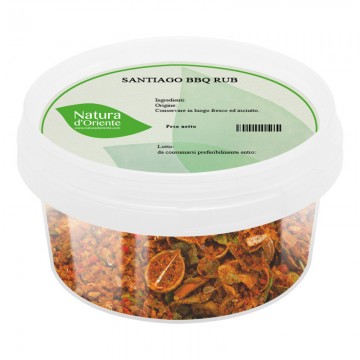
To flavor barbecued or grilled meat, try this Santiago BBQ blend, designed with the flavors of the Latin American tradition. Nuances from sweet to savory, with spicy notes typical of sauces and rubs for the asado, in the recipes of chorizo, beef, Chilean lamb, ribs. You can flavor meats before the barbecue, or after grilling.
onion, smoked paprika, mustard seeds, pepper, coriander, garlic, jalapeno chiplote, tomato, cumin, turmeric, oregano, nutmeg, ginger, thyme, basil, marjoram , tarragon, rosemary, salt, brown sugar.
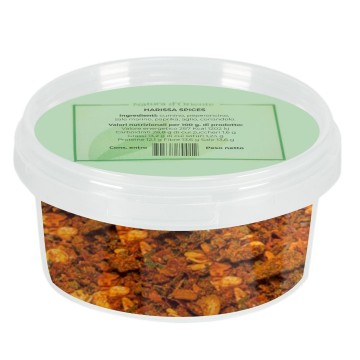
Harissa is a specialty that Tunisians use to accompany all types of meals, adding a spicy and intense note to dishes. The culinary use of Harissa spices is versatile, combining pungent aromas and flavors with fresh and fruity notes. Excellent in the preparation of white meat (chicken or rabbit) with a marked spicy and tasty accent.
cumin, chili pepper, sea salt, paprika, garlic, coriander.
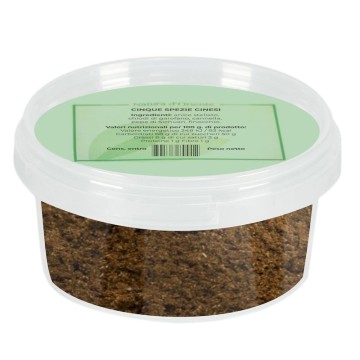
Chinese five spice powder is a traditional spice blend, used in Chinese cuisine. This mix gives the dishes a light hint of minty taste, which still includes all the five flavors in cooking: sweet, sour, salty, spicy and bitter. A special taste to flavor meat and fish dishes, marinades and exotic sauces.
star anise, cloves, cinnamon, Sichuan pepper, fennel.
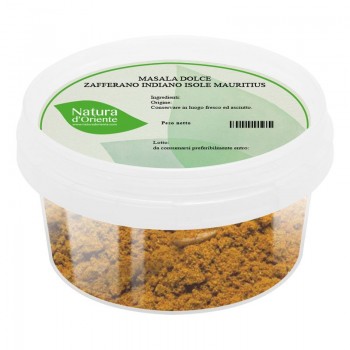
Similar to Indian curry but more delicate, Sweet Masala is a unique mix that brings together the flavors of licorice, mustard, coriander, cumin and other aromatic and intense spices. Perfect for flavoring fish, vegetables and white meats, it is called Indian saffron for its ability to create deisi flavors, with an aftertaste rich in sweetish nuances. Try it with different creative recipes!
Ingredients: turmeric, licorice sticks, mustard, coriander, salt, fenugreek, basil, cumin, celery, chillies, garlic.
La Pampa Argentina a timeless classic of the South American tradition, tasty and slightly acidic, which adapts to almost all types of meat prepared on the grill or barbeque, but also boiled meats, in some cases it is also used (more diluted) to marinate meat before cooking.
paprika, oregano, garlic, pepper, onion, parsley, basil, chilli, tomato (tomato paste, corn starch).
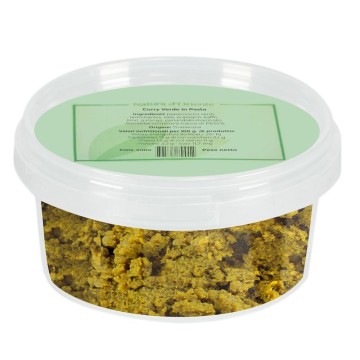
Green curry paste is used throughout Thailand, in a variety of dishes. It is a small delicacy rich in flavour and aroma, perfect for experimenting with complex recipes in the kitchen. This wonderful blend of spices is excellent for preparing Thai and Asian recipes, especially vegetable-based dishes.
Chilli, spinach, lemongrass, garlic, salt, shallots, galangal, shrimp paste, kaffir lime, coriander. (This product may contain traces of FISCH)
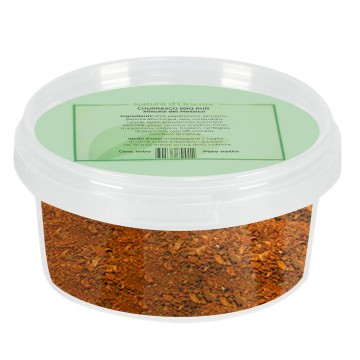
A spice mix inspired by the way of seasoning grilled meat, used in Mexican cuisine and in the Brazilian recipe for churrasco. To flavor grilled meat, this BBQ rub blend has become one of the most used in Latin America. It can be used to marinate meat before barbecuing or cooking, or to create a spicy and aromatic sauce. It accompanies grilled food with an intense and delicious aroma, a spicy taste without excessive heat.
ancho chili pepper, smoked paprika (paprika, smoke) chili peppers, parsley, coriander, onion, MUSTARD, cumin, garlic, pepper, allspice, thyme, marjoram, lovage, oregano, basil, tarragon, salt, smoked sea salt (smoke), raw cane sugar.
If you like spicy cuisine with intense flavours, Thai red curry paste is an ideal condiment to enhance the flavour of many dishes. A burst of energy and good mood, through the combination of spices and varied ingredients. Its balance combines spiciness with sweeter notes, umami and a hint of sourness. A paste with a strong heat, perfect for vegetable, meat, fish and rice dishes.
chilli, tomato, lemongrass, garlic, salt, shallot, galangal, kaffir lime shrimp paste, cumin. (this product may contain traces of fish)
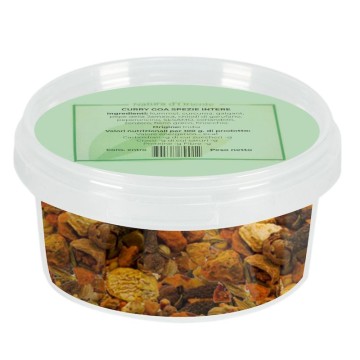
A particular Curry, a mix composed of whole spices versatile in the kitchen. It can be added halfway through cooking, or used when needed - crushed in a mortar to insert it into the recipe. Originating from the Indian region of Goa, it shows a warm, full-bodied and moderately spicy blend; with sweet notes that make it perfect for not adding too much spiciness to spicy dishes.
kummel, turmeric, galgant, Jamaican pepper, cloves, chili, MUSTARD, coriander, ginger, fenugreek, fennel.