

Notice to customers: due to the high volume of orders and increased workload for couriers, deliveries may take a few days longer than usual. We apologise for any inconvenience.
Reference: 0429
 No reward points for this product.
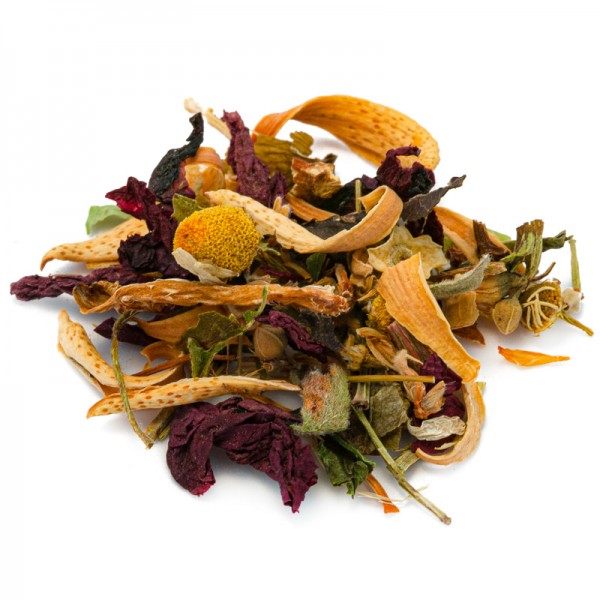
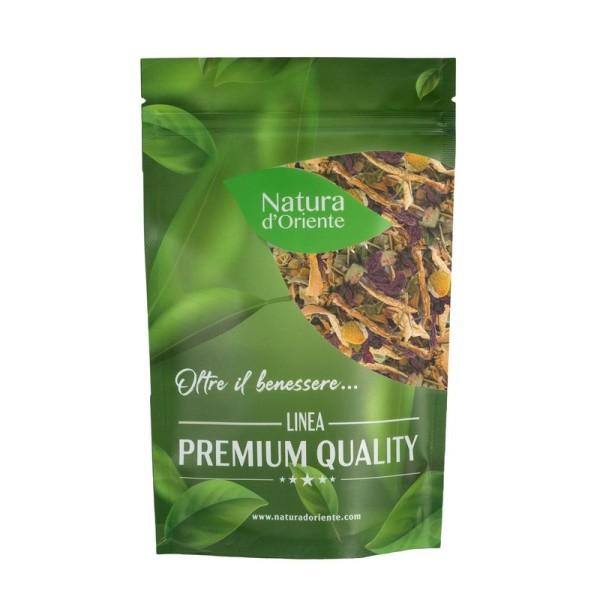
The Linden Composto is born from a careful selection of herbs traditionally appreciated to prepare infusions with a sweet and enveloping flavor. The linden, known for its fragrant flowers, is the heart of this blend, enriched by other medicinal plants that enhance its natural aroma. Ideal to accompany moments of relaxation, this herbal tea brings with it all the delicacy and purity of nature, in a warm and pleasant embrace.
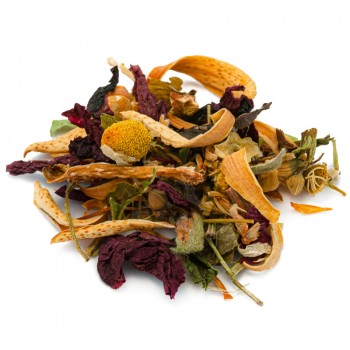
linden, lemon balm, chamomile, orange, poppy, woodruff, hawthorn, hops, verbena, centella.
For those who love soft, floral flavors, the linden-based blend offers the perfect aromatic profile. It envelops you with the sweet and delicate scents of linden, chamomile, and lemon balm, enhanced by the velvety notes of poppy and hawthorn. On the palate, the smooth flavor of this combination is shaken by more intense herbaceous nuances of woodruff and hops, balsamic and bitter notes, and the citrus freshness of verbena and orange.
The result is a perfectly balanced infusion, perfect for a moment of soothing, light, and pleasant relaxation. This blend of herbaceous plants has been created with a selection of ingredients traditionally known for a relaxing break, especially appreciated before bed.
Most of the medicinal herbs in the blend have been widespread in Europe for centuries, and today all the ingredients are available dried and ready for infusion.
The lime tree is a plant of the Tilia genus, part of the Tiliaceae family. The Tilia cordata Mill variety is cultivated primarily for therapeutic purposes. It is native to Europe and the Caucasus, growing preferably in hilly areas.
The flowers of Matricaria chamomilla are used for infusions (the tops of the plant are used). Part of the Asteraceae family, it exists in two similar-looking varieties: German chamomile (Matricaria recutita, or Chamomilla recutita) and Roman chamomile (Chamaemelum nobile). Hawthorn (Crataegus monogyna) is a plant in the Rosaceae family. It has been present for centuries in Europe, northwest Africa, and western Asia. It displays white flowers, thorny branches, hence its name, and red fruits. Verbena is a perennial herb in the Verbenaceae family. It has a fibrous root and small, purplish flowers. Formerly called Herba sacra or Herba veneris, the dried flowering plant is used in herbal medicine. Melissa officinalis is an annual plant in the Lamiaceae family. Native to southern Europe, it grows in full sun, reaching a height of about 60 cm. It blooms from June to August, producing white or pale yellow flowers and highly aromatic leaves. Hops, or Humulus lupulus, is a perennial plant in the Cannabaceae family. It is a climbing vine native to Europe, western Asia, and North America. It produces new shoots in early spring and dies in autumn, with a cold-resistant rhizome. Sweet woodruff (Galium odoratum Scop.) is a species belonging to the Rubiaceae family. The shrub is native to Europe and western Asia, now widespread in many parts of the world. Its ideal habitat is the undergrowth, in the mountainous zone between 400 and 1600 m above sea level. The orange tree is Citrus sinensis L. (sweet oranges) or Citrus aurantium L. (bitter oranges) and is part of the Rutaceae family. It appears to be a hybrid plant, a cross of Asian origin between the pomelo and the mandarin. It can reach about 5-12 meters in height with elongated leaves and white flowers. The poppy (Papaver rhoeas) is a herbaceous plant in the Papaveraceae family. Native to Eurasia and North Africa, it is widespread and grows wild in fields and along roadsides. Gotu kola is a perennial plant of the Apiaceae family. Native to India and Madagascar, it grows in moist, shady places, along streams and swamps. The stems are slender, connecting the various plants together.
To make a Compound Linden herbal tea, add about 3-5 grams of the herbal blend to a cup (250 ml) of water at 100°C.
Let it steep for 8 to 10 minutes before drinking. Add honey or sugar to taste.
The combination of herbs and flowers has no particular contraindications if taken in the recommended doses. It is not recommended for people who are hypersensitive to one or more of the medicinal herbs contained in it. The herbal blend is not recommended for pregnant or breastfeeding women.
Specific References
The Linden Composto is born from a careful selection of herbs traditionally appreciated to prepare infusions with a sweet and enveloping flavor. The linden, known for its fragrant flowers, is the heart of this blend, enriched by other medicinal plants that enhance its natural aroma. Ideal to accompany moments of relaxation, this herbal tea brings with it all the delicacy and purity of nature, in a warm and pleasant embrace.
linden, lemon balm, chamomile, orange, poppy, woodruff, hawthorn, hops, verbena, centella.
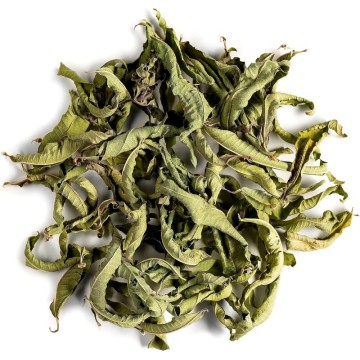
The infusion of Verbena leaves is considered a natural remedy with beneficial effects for physical and mental relaxation, against stress. Furthermore, you can prepare this scented and citrus herbal tea to obtain its purifying qualities, which help digestive function. It calms spasms, regulates intestinal motility and promotes the elimination of gas.
IngredientS: Verbena Oderosa
Nome botanico: lippia citriodora
Origin: Marocco
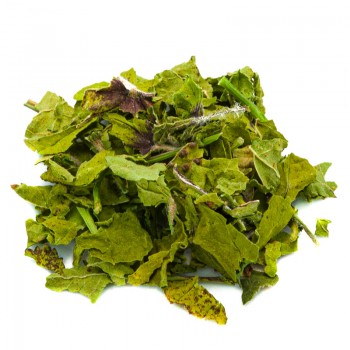
Mallow leaves come from a plant known for centuries for its natural anti-inflammatory and calming properties. This herbal tea has a liberating effect on the bronchi, calms coughs and soothes irritation of the digestive system. Mallow contains several antioxidants and minerals, which give its infusion beneficial properties in protecting the body.
Ingredients: mallow leaves
Botanical name: Malva Sylvestris L. 
Orange blossoms can be used alone for a calming herbal tea, or added together with a blend of medicinal herbs, as desired. They possess expectorant properties against colds, thanks to vitamin C, and promote proper digestion. The relaxing characteristics of orange blossom are useful in cases of insomnia, anxiety and stress.
Ingredients: orange blossom
Botanical name: Citrus aurantium
Origin: Middle East
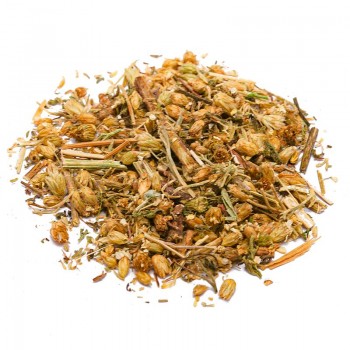
The properties of yarrow are many, and have been known for centuries. A good yarrow infusion or decoction, in combination with other herbs, is useful in case of flu and cold; moreover, it can help the body in case of digestive problems and to calm symptoms related to the menstrual cycle. Yarrow is also known as pennina, millefiori, devil's nettle - used for centuries for its excellent medicinal properties.
Ingredients: yarrow
Botanical name: achillea millefolium
Origin: Eastern Europe
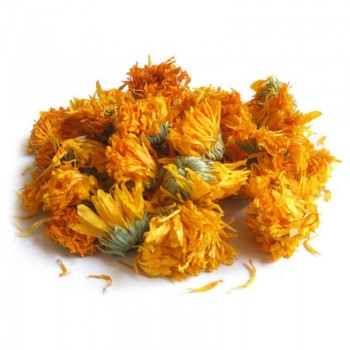
Marigold flowers are excellent flowers for herbal teas, because they possess antispasmodic properties that are beneficial for digestive well-being, against abdominal cramps and constipation. These flowers contain substances that give the herbal tea diuretic and purifying characteristics, useful for the protection of the mucous membranes, to regulate menstruation and help the liver. Relax in case of insomnia and stress.
Ingredients: calendula flowers
Botanical name: Calendula Officinalis L.
Origin: Serbia
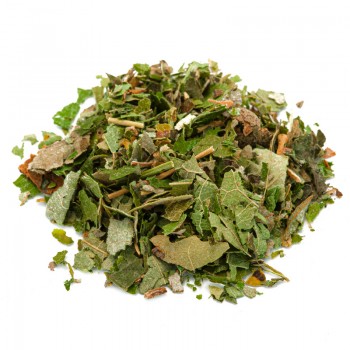
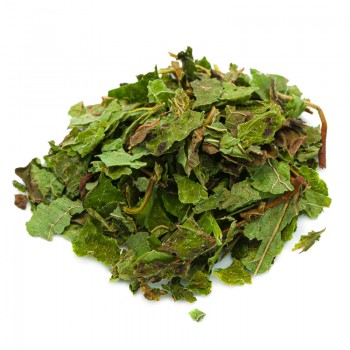
Linden leaves, gives an herbal tea with a refreshing taste, also endowed with relaxing and calming properties for psychophysical balance. Linden leaves have a long historical tradition as a natural sedative, diuretic and purifying agent. The infusion is useful to counteract respiratory tract irritation, intestinal disorders and spasms.
Ingredients: lime leaves
Botanical name: Tilia Platyphyllos Scop.
Origin: Bulgaria
This infusion ensures a well-being effect for mind and body. The digestive properties of apple, lemongrass and cumin are combined with the relaxing properties of lemon balm and chamomile; ingredients accompanied by aronia berries, tulsi grass and echinacea. An excellent calming infusion, which promotes sleep and removes stress at the end of the day.
apple, lemongrass, fennel, cumin, lemon balm, cocoa beans, chamomile, aronia berries, echinacea, Tulsi herb, cornflower.
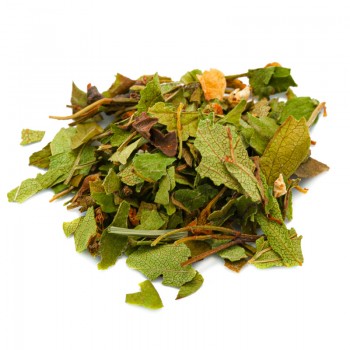
The hawthorn in leaves and flowers, is an effective cardiotonic and natural calming, useful in heart rhythm alterations, tachycardia and arterial hypertension. It is a plant with relaxing properties, which helps against anxiety and insomnia. Also effective for digestive and intestinal well-being, it is an ideal herbal tea for the well-being of the organism.
Ingredients: hawthorn
Botanical name: Crataegus Oxyacantha Auct.
Origin: Italy

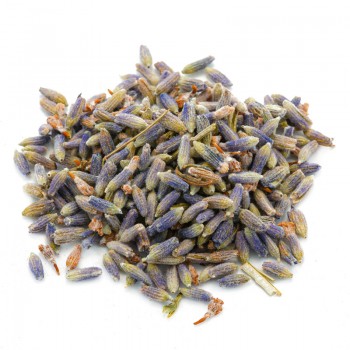
Lavender flowers are an excellent natural remedy for insomnia, stress, and to soothe headaches. In addition, this plant can help the well-being of the respiratory tract. Outdoors, the infusion can soothe itching from insect bites and acne inflammations. Lavender flowers retain their aroma for a considerable time.
Ingredients: lavender
Botanical name: Lavandula Hybrida
Origin : various continents
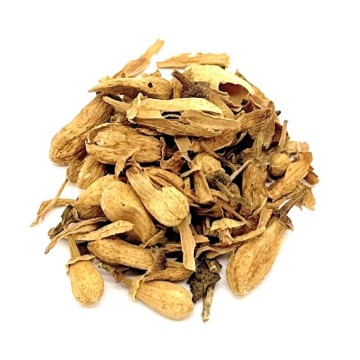
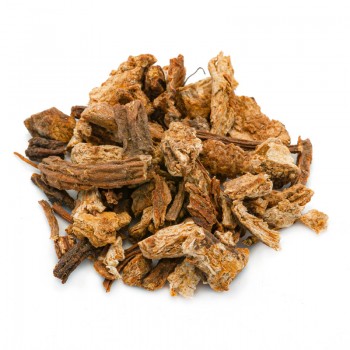
Angelica root ready for herbal tea is a resource for your well-being. It creates a tonic action on our body in case of stress and fatigue. It is a carminative plant, which counteracts swelling, stomach irritations, and has purifying qualities. Provides a mitigating action for migraine pains, and helps tone mood by counteracting anxiety.
Ingredients: angelica root
Botanical name: Angelica Archangelica L.
Origin: Poland
Roman Chamomile is a variety that has beneficial properties in case of digestive disorders, stomach pain, diarrhea, flatulence, swelling and irritation of the intestinal tract. The flowers for herbal tea can relieve cramps and menstrual pain, and are useful for soothing pains from neuralgia, migraines and toothaches.
The Roman chamomile flower tea is a remedy to counteract insomnia, nervous tension and stress. The soothing properties of chamomile are also used for lotions suitable for conjunctivitis and skin redness. Strengthens and lightens the hair, applied as an infusion after shampooing.
Ingredients: Roman chamomile
Botanical name: Anthemis nobilis L./ Chamaemelum Nobile A
Origin: France
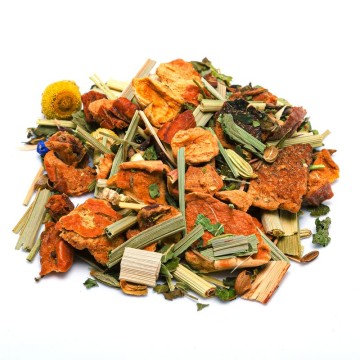
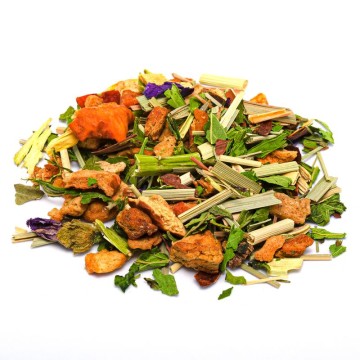
A very relaxing infusion, with a citrus flavor, excellent for calming the stomach and useful for promoting good rest. Verbena leaves are a natural calming agent, inserted in a blend designed to enhance their properties with beneficial ingredients for digestion including lemongrass, fennel, cocoa peels, licorice root and mallow flowers.
Apple pieces, lemongrass, fennel, lemon verbena (10%), cocoa peels, licorice root, nettle leaves, rose hips, marigold, cinnamon pieces, mallow flowers, peppermint.
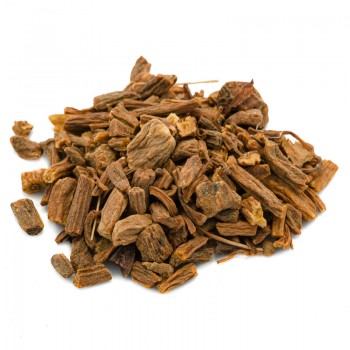
Valerian is notoriously known as calming and relaxing. Improve sleep quality. Useful for states of anxiety, agitation, palpitation and irascibility. It also has antispasmodic effects, especially against menstrual cramps, colitis and irritated intestines.
Ingredients: Valerian root
Origin: Poland
Il sapore della melissa e il suo profumo ricordano il limone, donando effetti calmanti e rilassanti. Questa pianta è conosciuta come un rimedio utile in caso di insonnia, stress, eccitazione nervosa. Possiede proprietà sedative naturali e lenitive per l'apparato digestivo. Per questo, le foglie possono essere usate per un'ottima tisana per favorire il riposo e calmare lo stomaco.
Ingredienti: foglie di melissa
Nome bonatico: melissa officinalis L.
Red clover is known for the beneficial effects of phytoestrogens, which counteract the typical disorders of menopause. Excellent detox herbal tea that purifies the body by promoting diuresis, also provides expectorant support for the well-being of the upper respiratory tract.
Ingredients: Trifoglio rosso
Nome botanico: Trifolium Pratense L.
Origine: Polonia
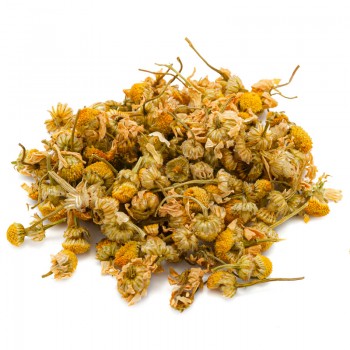
Chamomile flowers are known to act against nervous tension and stress, as a natural relaxant and herbal tea to promote sleep. They are a remedy for stomach ache, stomach pain, diarrhea, flatulence, and for proper digestion.
They are used to relieve menstrual pain, and are very useful in case of migraines, neuralgia and toothache. Their healing and soothing properties are used to create ointments for wounds and eczema, or as a lotion for conjunctivitis and skin redness. Strengthens and lightens hair, applied after shampooing.
chamomile flowers