NOTICE: POSSIBLE DELAYS IN SHIPMENTS
We would like to inform our valued customers that, due to the protests in Southern Italy, there may be delays in deliveries to Sicily, Puglia, Basilicata, Calabria, Campania, Abruzzo, and Molise. We apologize for any inconvenience.
Reference: 0447
 No reward points for this product.
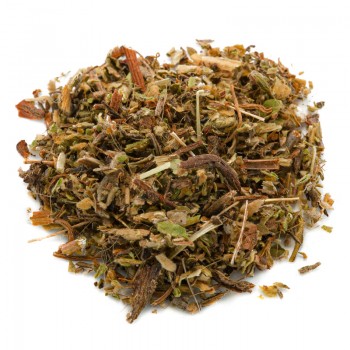
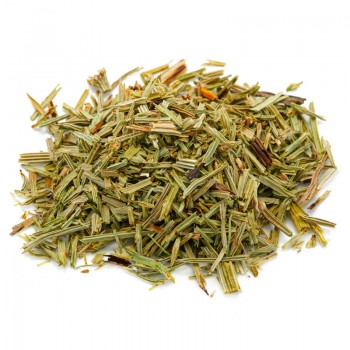
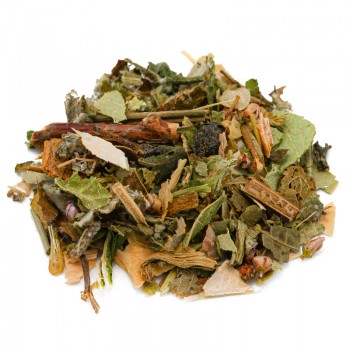
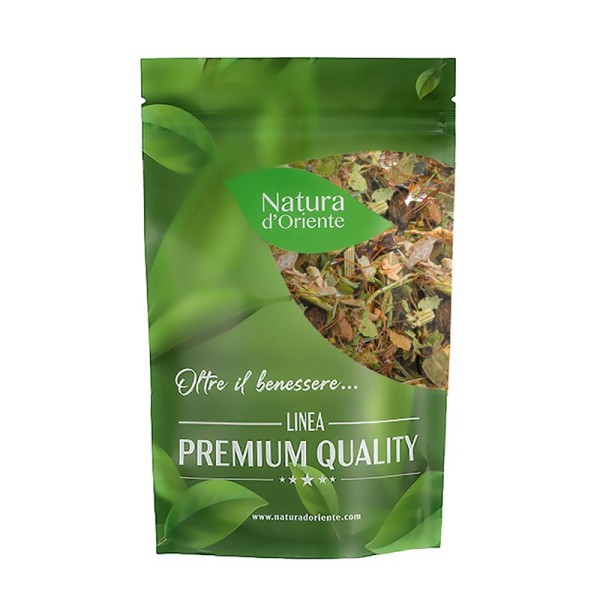
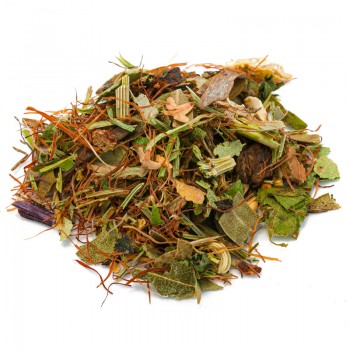
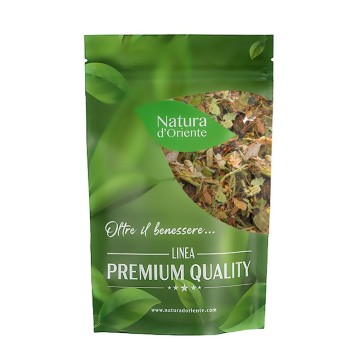
Compound Horsetail is a balanced blend of carefully selected herbs. At the center we find horsetail, an ancient plant known for its robustness and strong character, combined with other species that complete its aromatic profile. This herbal tea stands out for its delicate but characteristic taste, perfect for those who want to indulge in a natural infusion, an authentic expression of the properties of herbs.
horsetail, couch grass, corn, bearberry, pellitory, cypress, fennel, asparagus, birch, elderberry, mint, hibiscus, eucalyptus.
This herbal blend was created for a herbal tea with a natural flavor, conveying a sense of lightness. Each component of the Horsetail blend was chosen for its aromatic qualities, perfect for sipping hot during the colder months. The infusion offers vegetal and herbaceous notes, including horsetail, couch grass, and bearberry, intertwined with the sweetness of fennel and corn. The aromatic profile is completed by the balsamic touch of cypress and delicate notes of elderberry. Sip after sip, this herbal tea evokes natural balance.
The herbal tea blend's components are diverse and of varying origins, such as hibiscus flowers, Central American corn, Northern European birch, and bearberry. Today, they are available dried and ready for infusion.
Parietaria is a plant of tropical origin, now widespread in Europe. It belongs to the Urticaceae family, and takes its name from its presence in cracks in walls and along roads. It grows wild along paved paths and low walls. Up to 70 cm tall, it has a cylindrical stem, oval leaves, and small, green flowers like the rest of the plant.
The Betula genus includes approximately 40 species of trees and shrubs in the Betulaceae family. These trees, called birches, grow primarily in the cold regions of the Northern Hemisphere. They have smooth, resinous bark, often white, which usually peels horizontally in thin sheets. Cupressus sempervirens, commonly called cypress, is a conifer belonging to the Cupressaceae family. It has a highly variable crown shape, usually columnar or spreading, with dark green foliage and small brown cones.
The plant Equisetum arvense is a perennial herb of the Equisetaceae family, part of the Pteridophytes division – plants without flowers, fruits, or seeds. It grows up to about 30 cm, spreads rapidly, and is similar to a fern, with pointed stems and scaly leaves.
Maize (Zea mays) is a cereal plant of the Poaceae family, known for its edible grain, used as food for humans and livestock. The domesticated crop originated in the Americas.
The plant Arctostaphylos uva-ursi is a species of the Arctostaphylos genus and the Ericaceae family. It is easily found in regions near the Arctic Circle, in the subarctic Northern Hemisphere (bears because bears are fond of it).
Fennel (Foeniculum vulgare) is a plant in the Apiaceae (Umbelliferae) family, which is divided into wild fennel and sweet fennel. The latter, reaching a height of about 80 cm, produces yellow flowers, the fleshy part of the head, and dried fruits, incorrectly called fennel seeds. There are several varieties of Sambucus, a flowering plant in the Adoxaceae family. The most common type is Sambucus nigra, known as European elderberry or black elderberry. It grows to about 9 meters tall, displays small white or cream-colored flowers, and produces berries in small black or blue-black clusters. Other varieties include American elderberry, dwarf elderberry, blue elderberry, Danish elderberry, and red elderberry. Mint (Mentha) is a perennial herb in the Lamiaceae family. Known for its aroma, it has a woody rhizome and oval, serrated leaves. The many species of mint have similar medicinal properties, thanks to the presence of menthol.
Cougar grass (Agropyrum repens) is a plant known for its wild appearance, resembling wheat. It is part of the Graminaceae family. It has a rough stem and hairy leaves, and the dried rhizome is used in herbal medicine.
The hibiscus plant belongs to the mallow family (Malvaceae) and can reach heights of over 20 meters. Native to warm temperate and tropical regions, it produces beautiful flowers, called hibiscus flowers, which appear in clusters or singly and often last only a day. Eucalyptus plants are evergreens of the genus Myrtaceae. There are approximately 700 species of eucalyptus, some of which are called rubber trees. These trees are recognizable by their characteristic citrus aroma, which emanates primarily from crushed eucalyptus leaves.
Prepare an infusion by placing about 3-5 grams of the herbal mixture in a cup (250 ml) of water at 100°C.
Leave to steep for 8 to 10 minutes before drinking the herbal tea. You can add honey or sugar, according to your preference.
The herbs and plants that make up the herbal tea mixture are traditionally used in herbal medicine, but it is recommended not to exceed the recommended doses. Excessive consumption may not be well tolerated by sensitive individuals, with possible side effects. This mThis herbal blend is not recommended for pregnant or breastfeeding women, or those with a known allergy to one or more ingredients.
Specific References
Compound Horsetail is a balanced blend of carefully selected herbs. At the center we find horsetail, an ancient plant known for its robustness and strong character, combined with other species that complete its aromatic profile. This herbal tea stands out for its delicate but characteristic taste, perfect for those who want to indulge in a natural infusion, an authentic expression of the properties of herbs.
horsetail, couch grass, corn, bearberry, pellitory, cypress, fennel, asparagus, birch, elderberry, mint, hibiscus, eucalyptus.
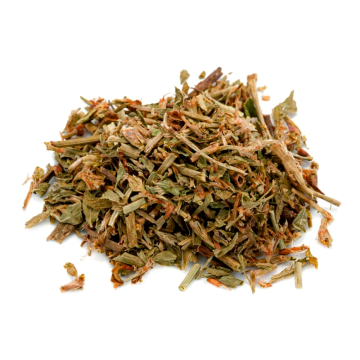
Natural draining, Pilosella reserves excellent properties to protect the urogenital tract from urinary disorders and cystitis. Furthermore, it is known as a medicinal herb which, thanks to its diuretic power, represents a valid support for the treatment of water retention, cellulite, swelling of the lower limbs, edema.
Ingredients: pilosella
Botanical name: Hieracium Pilosella L.
Origin: Macedonia
The main advantage of the stone-breaking herb is to act in the body in a purifying way and as a powerful diuretic. Eliminates obstructions that can form in the urinary tract, helping to expel stones. This plant reduces inflammation, and is slightly laxative, useful for regulating blood pressure. The stonebreaker herbal tea purifies the liver, also facilitating the functions and well-being of the gallbladder.
Ingredients : stonebreaker herb
Botanical name: Ceterach Officinarum D.C.
Origin: Albania
The properties of centella have been known for centuries: its intake is beneficial for the drainage of liquids, with diuretic properties. It represents a valid support for combating cellulite, and promoting correct lymphatic and venous circulation. Various components of centella, such as saponins, act by regulating the microcirculation and with beneficial effects also on the skin: try it in an herbal tea version!
Ingredients: centella asiatica
Botanical name: Hydrocotyle asiatica L.
Origin: Madagascar
Elderberry leaves contain healthy properties for our body. As a diuretic, they counteract water retention and urogenital irritations, helping to help with cystitis and urethritis. Also useful as a laxative to avoid constipation and detox for digestive difficulties. elderberry leaves can also fight irritations of the respiratory tract, soothe coughs, pharyngitis and allergic rhinitis.
Ingredients: elder leaves
Botanical name: Sambucus Nigra L.
Origin: Balkans
Centinodia, also known as correggiola, is a medicinal herb known as a natural diuretic and expectorant remedy. For those who want to expel liquids, it acts effectively in cases of urinary retention resulting from irritation of the kidney and bladder. It also promotes the well-being of the respiratory tract, as an herbal tea to free the bronchi and soothe the symptoms of colds.
Ingredients: centinodia
Botanical name: polygonaceae
Origin: Hungary
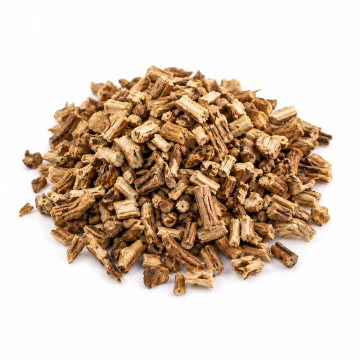
Dandelion root herbal tea cut is appreciated for its intense and slightly bitter taste. Traditionally used for infusions, it is ideal for preparing a natural beverage with an authentic herbal aroma. Perfect to enjoy hot at any time of the day.
Ingredients: dandelion root
Botanical name: Taraxacum Officinale L. Weber
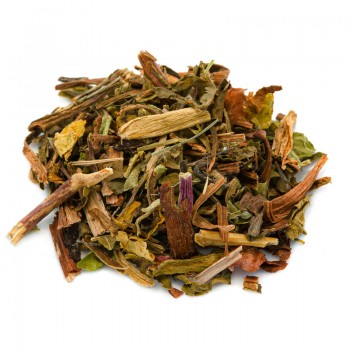
The dandelion leaves cleanses the liver, stimulates the liver and kidney functions, excellent detoxifier, helps eliminate cholesterol, diuretic, provides relief in case of rheumatism. Excellent hot drink.
Ingredienti: Tarassaco
Nome botanico: Taraxacum Officinale (L.)
Origine: Europe Oriental
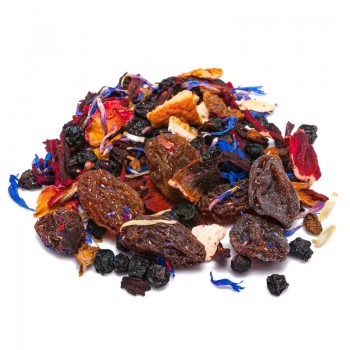
With an intense and wild taste, the unmistakable notes of elderberry meet in a mix of delicate shades of plum. The infusion obtained has sweat properties, its use is recommended in the treatment of diseases related to the respiratory system.
elderberries, currants, cranberries, bilberries, orange, rose petals, natural plum flavors.
Already in ancient times this medicinal herb was used to heal wounds and to treat kidney problems. Today it is studied for its diuretic properties and against water retention, as well as its ability to promote the well-being of the bones and counteract osteoporosis. Its good silicon levels are memory support. A horsetail tea, in addition to the refreshing taste, helps in the intake of vitamin C, potassium salts, flavonoids and oxalic acid.
Ingredients: Horsetail leaves (Horsetail)
Botanical name: Equisetum Arvense L.
Origin: Poland
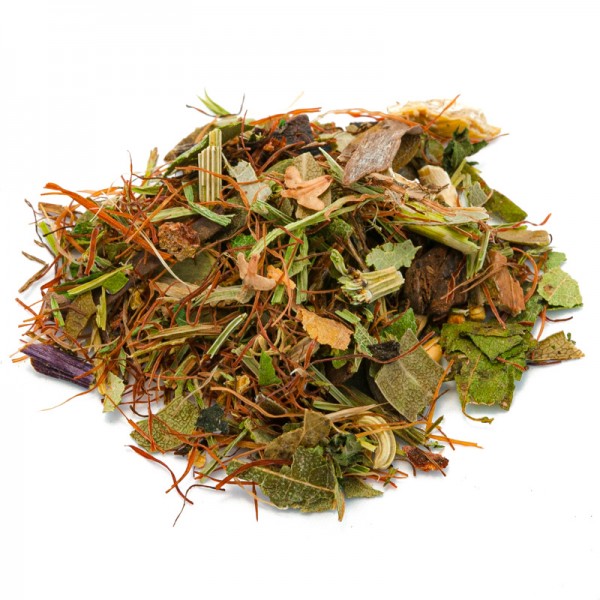
Composed Bean is a natural blend that enhances the traditional properties of the bean pod, expertly combined with other selected herbs. Designed for those who appreciate infusions with a simple but genuine profile, this compound offers a delicate and slightly herbaceous taste, ideal to accompany a natural lifestyle. The careful choice of plants and the respectful processing of raw materials guarantee an authentic and high-quality product.
beans pods, dandelion, nettle, eucalyptus, artichoke, burdock, blueberry, alchemilla, heather, myrtle, walnut, sage, hops, agrimony.
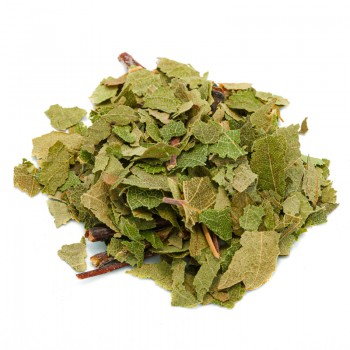
Birch is a plant which in its leaves makes its excellent diuretic properties available to the body. A birch tea is perfect for a purification in case of water retention, cellulite, kidney stones; it also possesses eupeptic and anti-inflammatory characteristics of the digestive tract. At a dermatological level, it soothes wounds and skin diseases. Birch foliage is also useful in protecting the scalp, against dandruff and hair loss.
Ingredients: birch leaves
Botanical Name: Betula Pendula Roth
Origin: Poland