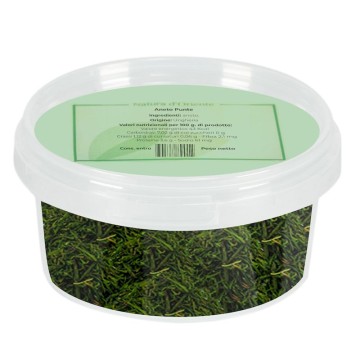
Contemporary phytotherapy uses dill leaves to relieve digestive difficulties and irritation of the oral mucous membranes. The diuretic and purifying properties make it an ally against water retention and cellulite, as it helps eliminate the accumulation of excess fluids. Dill tips are excellent in the kitchen for flavoring fish-based dishes such as salmon, with their spicy and intense flavour.
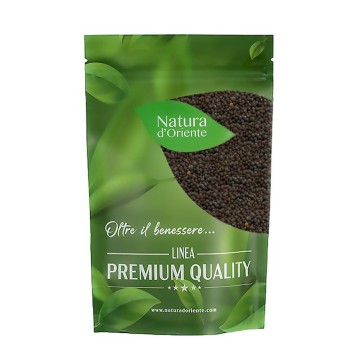
We can use black mustard seeds to treat chronic constipation, as a diuretic and in gargle to treat the angine. It is a friend of the stomach, it is stimulating, febrifugal, antiscorbutic, and it can cause vomiting. Even dizziness, asthma, lumbago, sciatic, intercostal pain, tooth ache, menstrual pain, are all curable if we rely on mustard.
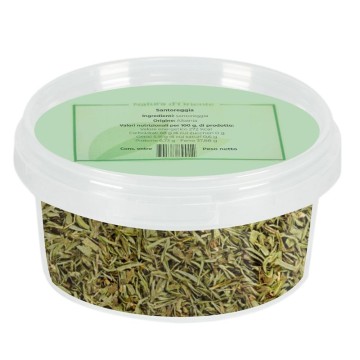
Savory, like many other aromatic herbs, is attributed a herbal use, in particular linked to the digestive system. This medicinal plant is said to have antispasmodic and stomachic properties. Very widespread in Italy, in the kitchen it is excellent for flavoring food but is also rich in beneficial properties, it is antibacterial, anti-inflammatory, antioxidant.
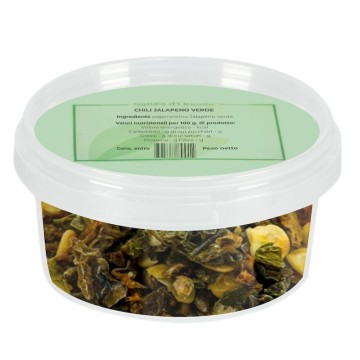
This chili pepper produces a unique spice, thanks to the smoking process. The Jalapeno variety is particularly tasty, capable of giving a lively flavor, with a high degree of spiciness but versatile for any type of dish. Exuberant on meat, fish, vegetables and fillings, the green Jalapeno chili pepper enhances the flavor and stimulates the appetite.
Yellow mustard seeds are a spice derived from the seeds of the mustard plant (Sinapis alba). These seeds are small, light yellow in color and have a spicy, slightly bitter flavor. They are used in the kitchen to prepare mustard paste, flavor dishes and preserve food. Yellow mustard is common in many cuisines around the world and adds a distinctive flavor to various dishes, from marinades to salad dressings.