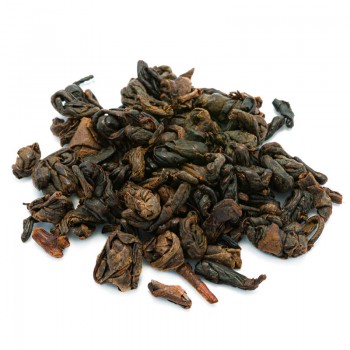
As with the best known green tea, this black tea is also characterized by the rolled shape of its leaves. Its color is dark and its full-bodied and slightly smoked flavor. It can be drunk at any time of the day, morning or early afternoon, possibly pure.
Unfermented tea in which the chlorophyll remains intact due to the fact that its leaves are harvested not yet hatched, keeping their original color intact. Jasmine gives this tea a pleasant aroma and flavor that is appreciated by many people.
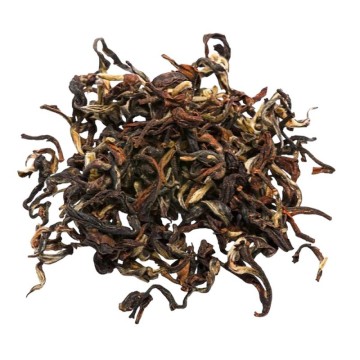
Jun Chiyabari black tea is a fine variety from the Himalayan hills of Nepal. Featuring high-quality leaves, carefully hand-picked and processed according to ancient traditions, this tea offers a rich and complex flavor, with floral and fruity notes. Thanks to its unique provenance and artisanal processing, Jun Chiyabari is appreciated by tea connoisseurs for its refinement and its ability to transport the senses on a unique sensory journey.
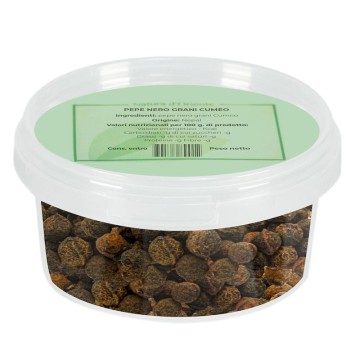
From the heights of Nepal, and from the grains of the Lindera Neesiana plant, comes this citrus-scented pepper, with notes of camphor, eucalyptus and cedar. An intoxicating aroma, which is a prelude to unusual flavors, capable of creating exquisite combinations with first courses, second courses of meat and fish, sauces, mushrooms and even desserts!
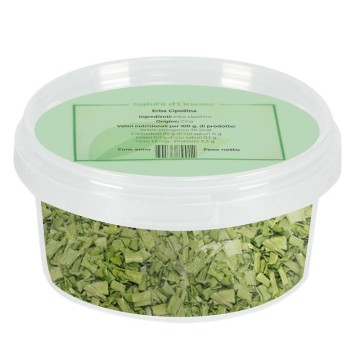
Chives are an aromatic plant. Like the other most used spices, chives have a decidedly particular taste, although lighter and more delicate than that of garlic or onion. It has diuretic, antiseptic, cardiotonic, hypoglycemic, vermifuge properties. Use it directly dried to flavor many dishes like a normal spice.
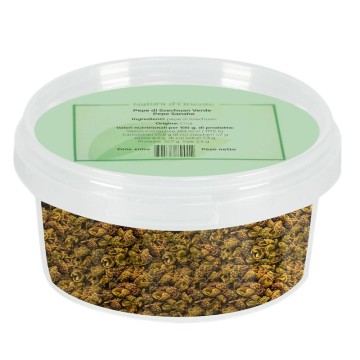
Sichuan pepper is a green berry native to China, also called Sancho Pepper. It has a very fresh, citrusy, spicy and sparkling taste that gradually envelops the palate. It should be added to cooking, whole, or crushed in a mortar always in small doses because. Once toasted, it tends to quickly lose its flavor.
The plantations of this tea are located in the highlands of Kaproret, Saramek and Chemase in the Kericho district. Due to their striking golden leaf tips, strong and slightly floral flavor, these are often mistaken for Chinese Yunnan teas.
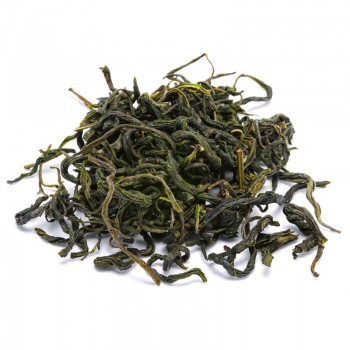
From Nepal comes this tea, carefully cultivated in a delimited and uncontaminated plantation, a mountain garden about 3000 meters high. Its aroma is intense, the taste is slightly fruity, with sweet and herbaceous notes. Try this fine green tea, one of the most powerful natural antioxidants and detoxifiers, unique in its Nepalese version.
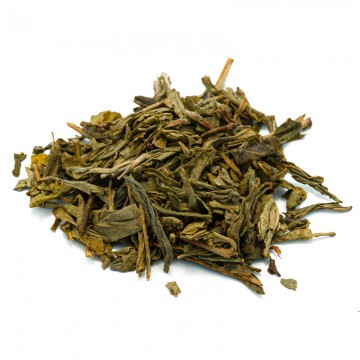
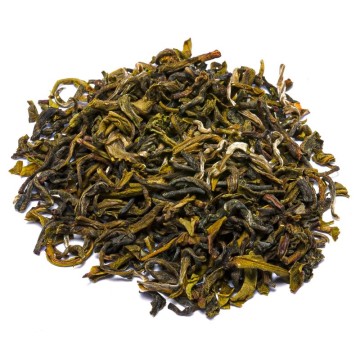
This blend of green tea derives from the Chinese cultivations of Sencha, a variety of acid tea that combines with the Kombucha mushroom powder, to enhance its healing properties. By combining with tea, they produce precious substances such as acids, vitamins, minerals, natural antibiotic substances with detoxifying and antibiotic actions.
Ingredients:
green tea (93%), kombucha powder (5%) (maltodextrin, green tea, herbal blend, cane sugar, water, kombucha cultures), flavoring, mallow flowers.
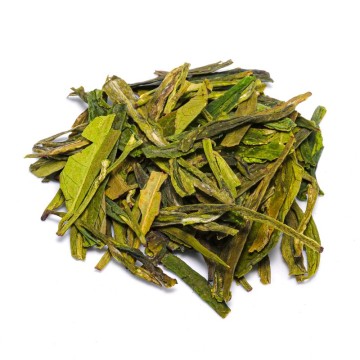
Among the most famous Chinese teas, with its emerald color and refined aroma it was also an imperial tea. Grown on the hills, in spring it is harvested and processed by hand over heat sources, which block fermentation. The processing then presses the leaves and makes it unique: a green tea with a chestnut aftertaste, a fresh and delicate flavor.
This Chinese green tea comes from mountain regions and from a treatment of leaves and buds, which gives Mao Feng an intense, delicate aroma with hints of magnolia. On the palate the taste of tea becomes soft, fruity and persistent, which recalls the peach and spring delights. Try it for relaxing moments and sweet pairings.
This refreshing Sencha green tea is beneficial and rich in antioxidants, but free from theine. The properties of Sencha help the metabolism work easier, but relax the mind, without the exciting effects of the alkaloid theine on the nervous system and blood pressure. Decaffeinated green tea retains the Sencha taste, with a lighter and thirst-quenching flavor, much appreciated for its enveloping aroma.

![Green tea Jasmine and jasmine [Natura d'Oriente]](https://www.naturadoriente.com/3373-home_default/green-tea-jasmine-and-jasmine-.jpg)
![Black tea Kaproret GFOP [Natura d'Oriente]](https://www.naturadoriente.com/3387-home_default/kaproret-black-tea-gfop.jpg)
![Green Tea Sencha Kombucha [Natura d'Oriente]](https://www.naturadoriente.com/3380-home_default/-green-tea-sencha-kombucha-.jpg)