

Notice to customers: due to the high volume of orders and increased workload for couriers, deliveries may take a few days longer than usual. We apologise for any inconvenience.
Reference: 0673
 No reward points for this product.
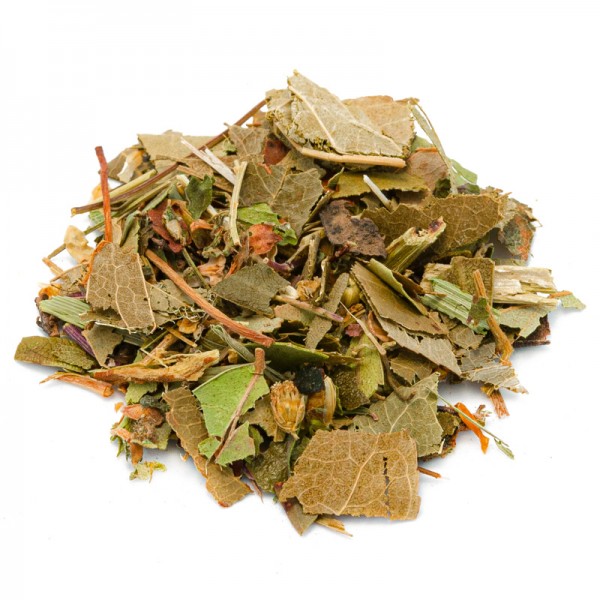
The Joint Wellness Herbal Blendis made up of a mix of medicinal plants composed and selected on the basis of their natural anti-inflammatory properties. Herbs show adequate qualities to counteract the complications of arthritis and fight rheumatism; such as spirea, ash and birch.
spirea, ash, licorice, fir, myrtle, yarrow, bearberry, elderberry, chamomile, birch, thyme, linden, mint.
This blend creates a herbal tea with a naturally varied flavor, combining bold and delicate flavors. The herbaceous taste and aroma of spirea, ash, and birch provide an intensely fresh and balsamic sensation. Linden and chamomile harmonize the flavor, sweetening the palate and relaxing with their floral scent. The herbal tea also offers intriguing sweet and fruity notes with licorice, bearberry, and myrtle.
To enhance the aromatic experience, the fresh notes of wild thyme and mint are balanced by the resinous nuances of fir and elderberry. The result is a complex yet enveloping combination, perfect for a relaxing moment during the day or, even better, in the evening. This blend of medicinal plants was also conceived to enhance the traditional use of these herbs for infusions. Meadowsweet is a plant known for its joint health benefits, further supported by the ash leaves present in the mixture as the second ingredient.
Other plants known for use in herbal teas are elderberry, bearberry, and birch, which can facilitate the drainage of body fluids. To support digestive function, in addition to meadowsweet, the herbal tea mixture also includes yarrow, myrtle, mint, licorice, and wild thyme. Chamomile and linden promote relaxation, which is important for a soothing and pleasant infusion.
Note: The information provided on the effects of plants is based on herbal traditions and should not be considered medical advice or a recommendation for therapeutic treatments.
The blend contains various medicinal plants and shrubs used for centuries to create herbal infusions and preparations.
Achillea millefolium, part of the Asteraceae family, is a perennial plant. It spreads easily, growing to about 1 meter in height, with aromatic leaves and white flowers. Native to various continents, it was introduced to North America during the colonial era.
Birch or Betula belongs to the Betulaceae genus. This family includes about 40 species of trees and shrubs, whose habitat is the cold northern regions. Birch trees have a white, flaking bark, used in herbal medicine.
Sambucus nigra is a shrub of the Sambucus genus in the Adoxaceae family. It grows in Europe and western Asia, preferring moist, sunny locations, reaching a height of about 15 meters and a lifespan of about 60 years.
The ash tree (Fraxinus ornus) is a plant in the Oleaceae family. It grows best in temperate climates and humid forests, up to about 1,500 m above sea level. It reaches a maximum height of 8 m, displaying smooth, grayish bark, green leaves, and white flowers; the fruit produces a single seed.
Spiraea ulmaria (current scientific name Filipendula ulmaria) is a perennial plant, part of the Rosaceae family. Also known as white spirea, it originates in Asia but quickly spread throughout Europe, in humid, continental climates. The slender stem can reach 150 cm in height, displaying white or pink spiral-shaped flowers (hence the plant's name).
Licorice, botanically known as Glycyrrhiza glabra, is a member of the Fabaceae family. It is a perennial plant native to southwest Asia and the Mediterranean region. It is known for its roots, which yield the sweet compound glycyrrhizin. It requires deep, fertile, and moist soil to grow.
The fir (Abies) is an evergreen plant belonging to the Conifer family. This genus includes at least 48-56 species of conifers in the Pinaceae family. They are found mostly in mountainous climates in North and Central America, Europe, Asia, and North Africa.
Myrtle (Myrtus communis) is an evergreen shrub in the Myrtaceae family. Typical of Mediterranean vegetation, it is also widespread on other continents. It has a small stem (maximum 3.5 meters tall), long, oval leaves, and solitary, scented pink or white flowers.
Matricaria chamomilla is a member of the Asteraceae family. It exists in two varieties: German chamomile (Matricaria recutita, or Chamomilla recutita) and Roman chamomile (Chamaemelum nobile), which has a similar appearance. The daisy-like flowers are harvested and dried for herbal teas.
The bearberry plant is Arctostaphylos uva-ursi, a species of the Arctostaphylos genus and the Ericaceae family. It is found in regions near the Arctic Circle and in the subarctic Northern Hemisphere (bear-like because bears are fond of it).
Mint (Mentha) is a perennial herb of the Lamiaceae family. Known for its aroma, it has a woody rhizome and oval, serrated leaves. The many species of mint have similar medicinal properties., thanks to the presence of menthol as a common component.
Thymus vulgaris is an aromatic plant of the Lamiaceae family that grows wild in the Mediterranean region. This shrub with dense bushes can reach 20-30 cm in height. The stems are thin, the leaves are narrow, elongated, and very fragrant; they are green with gray hues.
The lime tree is a plant of the Tilia genus - Tiliaceae family. The Tilia cordata Mill variety is cultivated primarily for medicinal purposes. It is native to Europe and the Caucasus, and grows in hilly areas.
The infusion is obtained by pouring about 3-5 grams of the herbal mixture into a cup (250 ml) with 250 ml of water at 100°C.
Let the herbal tea steep for 8 to 10 minutes before drinking. Honey or sugar can be added for sweetness.
This blend has no particular contraindications when taken in the recommended doses. It is not recommended for those who are hypersensitive to one or more ingredients, have allergies, or have intolerances. It is recommended not to consume the herbal tea for long periods to avoid the risk of side effects. The presence of salicylic acid may require medical advice if you are taking aspirin or other anticoagulant medications. This herbal tea is not recommended for pregnant or breastfeeding women.
Specific References
The Joint Wellness Herbal Blendis made up of a mix of medicinal plants composed and selected on the basis of their natural anti-inflammatory properties. Herbs show adequate qualities to counteract the complications of arthritis and fight rheumatism; such as spirea, ash and birch.
spirea, ash, licorice, fir, myrtle, yarrow, bearberry, elderberry, chamomile, birch, thyme, linden, mint.
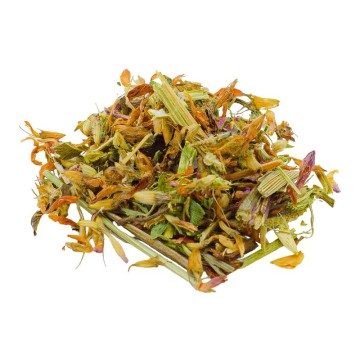
Red clover is known for the beneficial effects of phytoestrogens, which counteract the typical disorders of menopause. Excellent detox herbal tea that purifies the body by promoting diuresis, also provides expectorant support for the well-being of the upper respiratory tract.
Ingredients: Trifoglio rosso
Nome botanico: Trifolium Pratense L.
Origine: Polonia
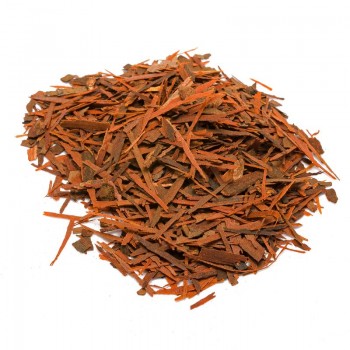
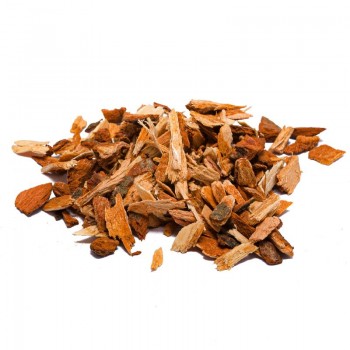
The inner bark of Lapacho is traditionally used for its natural anti-inflammatory qualities, as an antioxidant, help for the immune system and a tonic for the body. Used in infusion as a natural antibacterial, it purifies the urinary tract. It is recommended to calm the symptoms of candida, cystitis and vaginal irritation. Not recommended for children.
Not recommended for children.
Ingredients: lapacho.
Preparation: Boil 5 min and leave to infuse for 05 min .
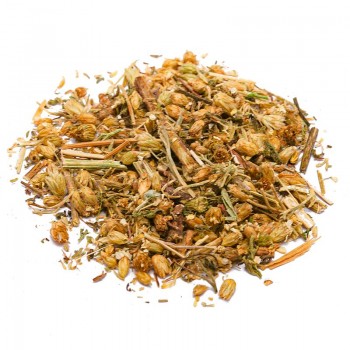
The properties of yarrow are many, and have been known for centuries. A good yarrow infusion or decoction, in combination with other herbs, is useful in case of flu and cold; moreover, it can help the body in case of digestive problems and to calm symptoms related to the menstrual cycle. Yarrow is also known as pennina, millefiori, devil's nettle - used for centuries for its excellent medicinal properties.
Ingredients: yarrow
Botanical name: achillea millefolium
Origin: Eastern Europe
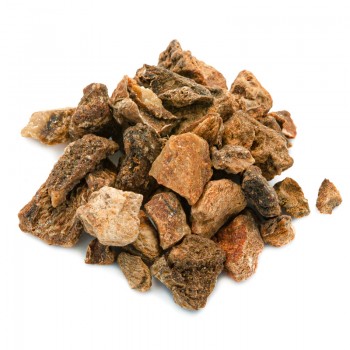
The devil's claw is a plant that has beneficial properties, historically used to calm pain and inflammation. The root is indicated in case of joint and muscle pain; it is a very effective remedy for the cervical, as well as alleviating the symptoms of rheumatism, sciatica, low back pain, arthritis and tendinitis.
It is also useful for soothing heartburn and digestive disorders.
Ingredients: devil's claw root
Botanical name: Harpagophytum Procumbens D.C.
Origin: Namibia
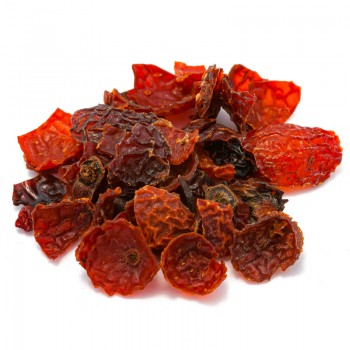
Rose hips are red berries of Rosa Canina, harvested and used in a wide variety of preparations. Among the best sources of vitamin C, rose hips contain high levels: a resource exploited through the peels, dried and ready for infusion. The peels can be mixed with other herbs or flowers, to give a tart and healthy touch.
cinorrodo
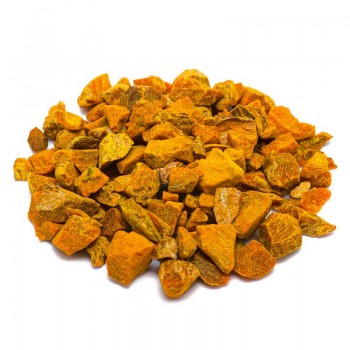
Among the major properties of turmeric are those of promoting digestion, weight loss and purification. It reduces the sense of hunger, improves digestion and purifies the liver, with an antioxidant and general anti-inflammatory action on the body. Its root is used for its ability to help eliminate excess fat, and counteract obesity.
Ingredients: turmeric
Botanical name: Curcuma Domestica Valet
Origin : India
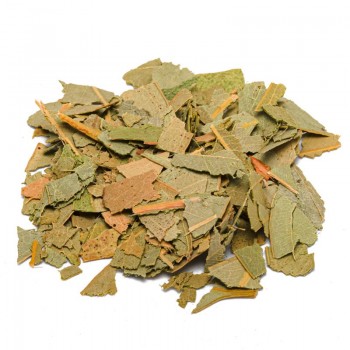
Eucalyptus is a plant known for its balsamic, expectorant and soothing action on the respiratory tract, capable of disinfecting the mouth, throat and tonsils. A eucalyptus herbal tea can be beneficial to decrease congestion and nasal mucus, in case of cooling. It also has a refreshing action on the oral cavity and throat, due to its natural properties.
Ingredients: eucalyptus leaves
Botanical name: Eucalyptus Globulus Labill
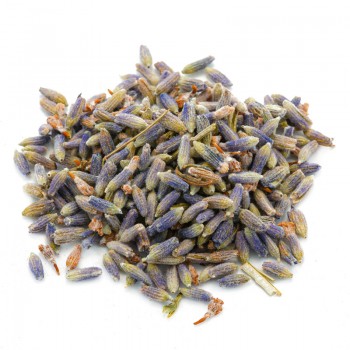
Lavender flowers are an excellent natural remedy for insomnia, stress, and to soothe headaches. In addition, this plant can help the well-being of the respiratory tract. Outdoors, the infusion can soothe itching from insect bites and acne inflammations. Lavender flowers retain their aroma for a considerable time.
Ingredients: lavender
Botanical name: Lavandula Hybrida
Origin : various continents
Used over the centuries as a natural remedy for those suffering from edema and varicose veins, horse chestnut has many active ingredients. Promotes microcirculation, as a drainage it counteracts water retention, and shows anti-inflammatory benefits. Excellent for strengthening capillaries, horse chestnut can be exploited from the bark, taken with this herbal tea with an intense and restorative taste.
Ingredients: Horse chestnut
Botanical name: Aesculus Hippocastanum L.
Origin: Poland
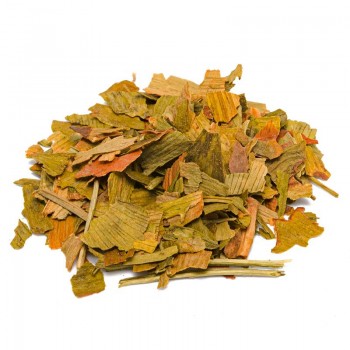
Discover the properties of this oriental plant, used since ancient times for its tonic and energizing properties. Ginkgo Biloba is considered an antioxidant, which counteracts cellular aging, stimulates memory and attention, and counteracts stress.
A Ginkgo Biloba herbal tea is an excellent natural supplement for its many active ingredients, to be taken comfortably with the infusion of the leaves.
Ingredients: Ginkgo Biloba Leaves
Botanical name:
Origin: Italy
Known for centuries as a remedy for reducing anxiety and calming the nervous system, this plant also has beneficial effects on the cardiovascular system. It supports female well-being with distensive properties during the menstrual cycle, palpitations and menopausal hot flashes. An infusion of Leonorus Cardiaca leaves relaxes the muscles, helps regulate the heartbeat and is an excellent natural sedative.
Ingredients: cardiac
Botanical name: leonorus cardiac
Origin: Poland
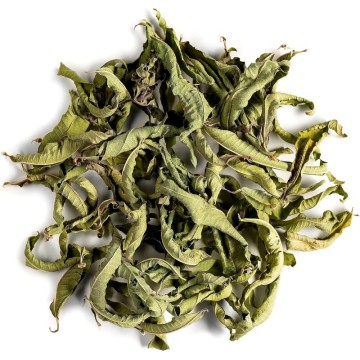
The infusion of Verbena leaves is considered a natural remedy with beneficial effects for physical and mental relaxation, against stress. Furthermore, you can prepare this scented and citrus herbal tea to obtain its purifying qualities, which help digestive function. It calms spasms, regulates intestinal motility and promotes the elimination of gas.
IngredientS: Verbena Oderosa
Nome botanico: lippia citriodora
Origin: Marocco
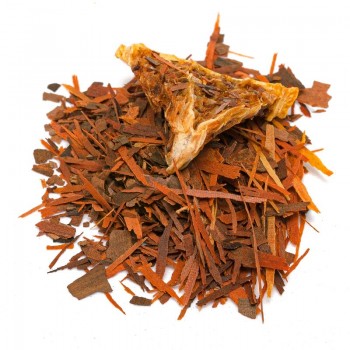
The inner bark of Lapacho has been used for centuries for its natural anti-inflammatory properties, as an aid to the immune system, antioxidant and tonic for the body. Used as a natural antibacterial, it gives a purifying infusion for the urinary tract. Recommended to calm the symptoms of candida, cystitis and vaginal irritation. The aroma of orange and vanilla characterizes the taste, without altering its properties. Not recommended for children.
Not recommended for children.
Ingredients: lapacho, orange peel, natural vanilla flavors.
Preparation: Boil 5 min and leave to infuse every 05 min .
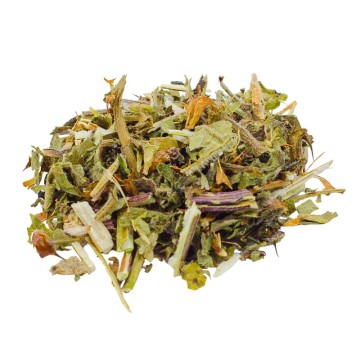
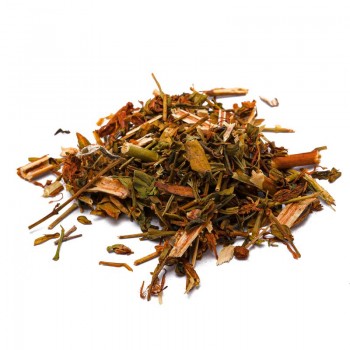
Hypericum, also known by the name of St. John's Wort or Scacciadiavoli, is a plant that has been used for centuries. A good infusion with hypericum leaves and flowers is useful for soothing inflammation of the bronchi and genitourinary tract. Calms the cough, purifies the urinary tract, and improves mood.
Ingredients: St. John's wort
Botanical name: hypericaceae
Origin: Serbia
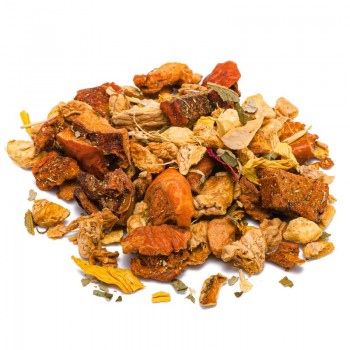
Infused with ginger and sweet honey while still being tasted on the palate, spicy aftertaste just drunk. Combined with honey it is an excellent remedy for the respiratory tract. Nice combination of excellent properties for the body.
pieces of ginger (46%), pieces of apple, flavouring, blackberry leaves, sunflower petals, white cornflowers, pollen.
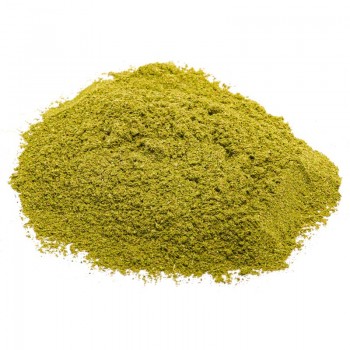
Moringa has an important diuretic effect, draining and purifying the body. The leaves are considered an excellent natural anti-inflammatory and anti-rheumatic ingredient. The powdered version, convenient and effective, is highly appreciated by women and athletes who want to stimulate their metabolism; It is useful for fatigue and helps eliminate toxins and cellulite.
Ingredients: moringa
Botanical name: moringa oleifera Lamscolymos