
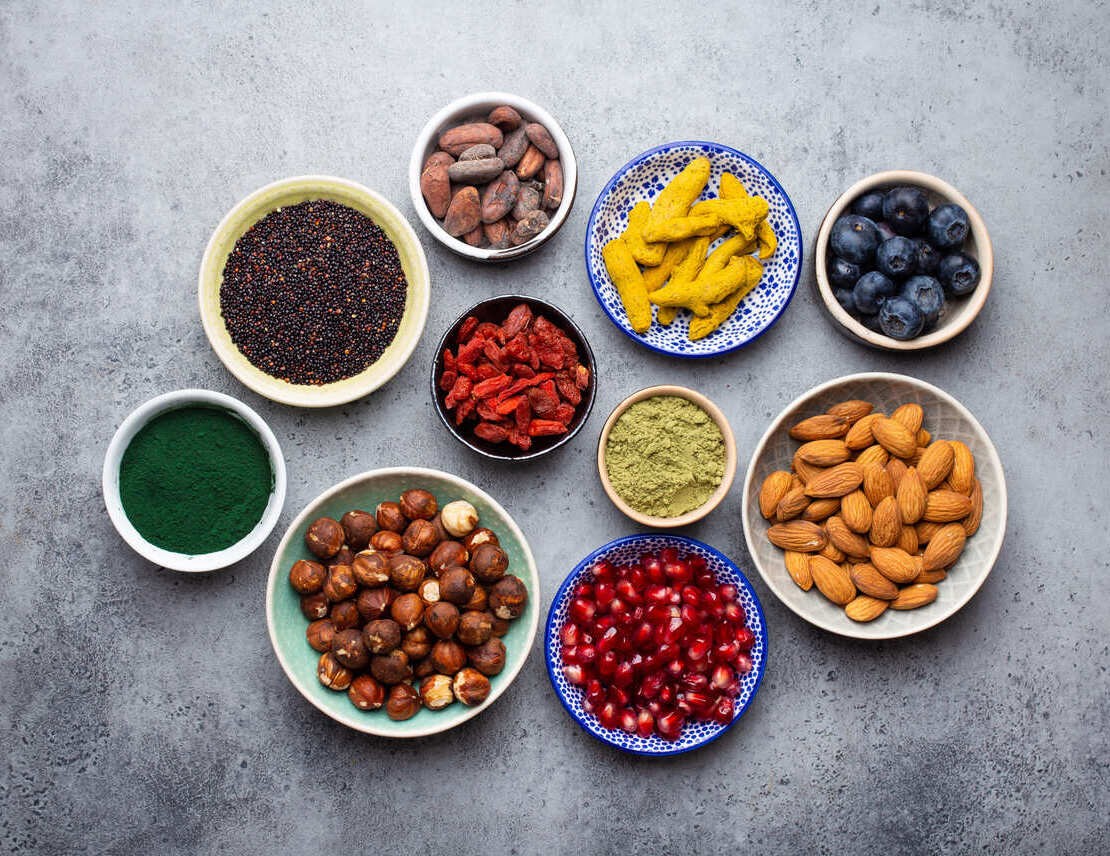
Superfoods: Let's Set the Record Straight
You’ve probably read or heard about “superfoods” on more than one occasion; in today’s in-depth look, we’ll examine which foods fall under this category, what their potential benefits are, and how much truth there is to the properties attributed to these “superfoods.”
What Is Meant by “Superfood”?
This is probably the most controversial aspect—the “false myth” associated with the term “superfood,” a label born primarily from marketing considerations rather than from in-depth scientific research on the subject.
Foods rich in one or more nutrients—which are beneficial to our health—are usually grouped under this name, but the problem arises when, based on specific nutritional characteristics, these foods are credited with exceptional properties in treating specific ailments, preventing particular diseases, slowing aging, or even having curative properties. This can lead people to misuse them—as part of an unbalanced diet, by consuming them in excessive amounts, or by using them as if they were actual dietary supplements.
These same products are often labeled as “functional foods” or nutraceuticals.
Although these foods contain nutrients that are beneficial to our bodies, the incredible properties attributed to them are, unfortunately, not supported by the results of targeted scientific studies. Including them in our diet can be helpful, but they cannot work miracles.
What Are “Superfoods”?
Having made the necessary clarifications, we will continue to use this term in quotation marks for convenience throughout the rest of the article.
Now that we’ve clarified that these are not miracle or therapeutic foods, let’s take a look at which foods belong to the (constantly expanding) family of so-called superfoods and the characteristics they share.
Let’s start by noting that these are primarily plant-based foods characterized above all by their high content of antioxidants, vitamins, and minerals.
The following foods fall into this category:
- Acai berries
- Goji berries
- Maca
- Blueberries
- Pomegranate
- Chia seeds
- Spirulina
- Broccoli, kale, and cauliflower
- Cacao
- Red beets
- Avocado
- Matcha tea
Saying that these foods aren’t superfoods doesn’t mean that including them in our diet would be pointless or even harmful; the important thing is not to overestimate their potential and to incorporate them as part of a balanced diet combined with a healthy lifestyle.
Drinking matcha tea won’t help us lose weight if we consume more calories than we need, just as goji berries won’t slow down the aging process if we neglect sleep and physical activity, drink alcohol, and smoke cigarettes.